Popradské Pleso Symbolic Cemetery: a Tatra memorial, not a burial ground
A memorial beneath the western face of Ostrva
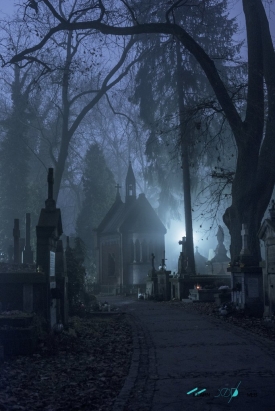
Below the western wall of Ostrva, near Popradské Pleso in Slovakia’s High Tatras, a small forest clearing holds a place of remembrance rather than a conventional cemetery. The Symbolic Cemetery at Popradské Pleso commemorates people who died in the mountains, especially the Tatras, as well as people connected with the range who lost their lives elsewhere. Its setting gives the memorial a direct relationship to the landscape that shaped its purpose.
The idea was initiated by Czech painter Otakar Štáfl in the 1920s, and the site was formally opened in 1940. TANAP, the Tatra National Park Administration, says the grounds include a chapel with a bell, carved wooden crosses associated with the Detva tradition and memorial plaques. The chapel’s motto, “To the dead in remembrance, to the living as a warning,” makes clear that the place honors the dead while asking visitors to approach mountain travel with care.
This is not a burial ground with graves. It is a cultural monument in a protected national-park setting, maintained by the park administration. That distinction matters to how visitors behave: the plaques are not souvenirs or a public message board, and new memorials are subject to review. TANAP asks people not to leave litter, install plaques on their own or leave burning candles behind.
How a mountain memorial took shape
Štáfl’s proposal gathered together the memory of people who had died in the mountains in one carefully designed place. TANAP’s account says the cemetery was opened ceremonially in 1940, after the idea had been developing for years. The artist and other contributors are part of the memorial’s history, but the site’s meaning has continued to grow beyond its founders through the names added over time.
The park administration’s report on the annual remembrance held on 18 October 2025 counted 410 plaques carrying 561 names. This is a dated official count, not a permanent total: plaques are added only through an approval process, and the number can change. The same report notes that the site has been entered in Slovakia’s central register of heritage properties since 1963.
At the yearly October ceremony, names of people who died in the Tatras on the Slovak and Polish sides during the preceding year are read aloud; a religious service may form part of the remembrance. This event is not the only reason to visit, and its date should not be assumed for a future year. Check TANAP announcements if you hope to attend the memorial gathering, since access, program and timing are set for each occasion.
Reaching the cemetery on marked trails
The memorial is reached on foot in a high-mountain environment, not by a short urban walk. Visit Tatry publishes a marked hiking itinerary from Štrbské Pleso via Popradské Pleso and the cemetery: the described circuit is about 12.4 kilometres and takes roughly three hours, with an elevation gain of around 170 metres. These are route estimates, not a guarantee of conditions or completion time for every hiker.
The regional route description identifies trail colors and explains that the yellow-marked path leads from Popradské Pleso toward the cemetery. Approaches and trail options can differ by season; TANAP regulations also restrict access to some high-mountain paths for wildlife and habitat protection. A route that appears on a map is not automatically open on the day you arrive. Check the park’s latest notices and follow signs on the ground.
Seasonal rules need particular attention in winter and spring. In a notice dated 30 October 2025, TANAP said the cemetery could be visited after 1 November along a yellow-marked path until 15 December, while the red-marked Tatra Magistrala between Popradské Pleso, the saddle below Ostrva and Sliezsky dom was closed. A separate report that month gave a seasonal closure from 15 December through 30 April. Because the park can revise rules and exceptions, confirm the current year’s dates before planning a hike.
Start from a recognized trailhead such as Štrbské Pleso, check transport connections and daylight, and carry footwear and clothing suitable for mountain weather. The route information describes a mix of forest paths, rocky trail and asphalt sections. Conditions may be wet, icy or snow-covered, and this is not a place to improvise an unmarked shortcut. Visitors with children or limited mobility should review the full route profile rather than relying on the word “easy” in a promotional description.
What to notice—and how to visit respectfully
Once inside the memorial area, the visual details are deliberately modest: trees, crosses, plaques and the chapel bell rather than a monumental entrance. Read the inscriptions quietly and remember that a plaque represents a real loss, often in a place where outdoor conditions can change quickly. The cemetery’s warning is not an invitation to fear the mountains; it is a reminder to prepare, respect restrictions and recognize that skill does not remove risk.
There are no ordinary ticket hours or admission prices listed in the park’s 2025 remembrance notice. Access is governed instead by the national-park rules and seasonal conditions. If you are visiting in a particular month, use TANAP’s official website and Visit Tatry’s route information for the latest closure notices, trail maps and transport guidance. Do not treat a third-party route blog or an old timetable as a current operating notice.
Popradské Pleso’s symbolic cemetery is compelling because it does not separate remembrance from place. The names, the chapel and the carved crosses sit within the mountain landscape that inspired the memorial, while the park’s rules protect that landscape for others. A thoughtful visit combines the walk with attention to current conditions and the site’s quiet purpose: honoring those lost in the mountains and encouraging the living to return prepared.