Gettysburg National Cemetery: Lincoln, remembrance and a visitor’s guide
A cemetery at the centre of Gettysburg’s memory
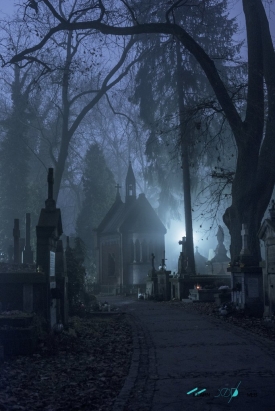
Gettysburg National Cemetery, also long known as Soldiers’ National Cemetery, is a distinct place within Gettysburg National Military Park. It was created in 1863 as the final resting place for Union soldiers who died in the Battle of Gettysburg. The National Park Service describes it today as the resting place of more than 6,000 United States soldiers and veterans, including people who served from the Civil War through the Vietnam era. The cemetery is not a battlefield tableau: it is a burial ground and a place of remembrance, and visitors are asked to move through it with quiet and care.
The cemetery’s plan gives physical form to an idea of shared sacrifice. Landscape architect William Saunders arranged the Union dead in state sections around a central monument, with graves set in semicircular rows. Reinterments began in autumn 1863, but the work was still incomplete when the grounds were dedicated. The national cemetery therefore records both the immense number of wartime dead and the effort to give scattered battlefield graves a permanent, ordered resting place.
November 19, 1863, and the Gettysburg Address
The cemetery’s dedication took place on November 19, 1863, several months after the three-day Battle of Gettysburg. President Abraham Lincoln delivered the short remarks later known as the Gettysburg Address during the ceremony. The speech is inseparable from this setting, but a visit should not reduce the cemetery to a stage for a famous text. The event was a public act of mourning for Union soldiers and a statement about the purpose of the war, delivered while burial and recovery work was still under way.
At the centre of the cemetery stands the Soldiers’ National Monument. The cornerstone was laid in 1865, and the monument was completed and dedicated on July 1, 1869. Around it, state plots and later memorials show how remembrance continued long after the original dedication. The Minnesota state section includes one of the earliest Gettysburg memorials, a granite urn for soldiers from that state. Other markers recall particular units, public figures and later commemorations. Read their names as individual histories, not simply as decoration around the central monument.
Who is buried here and why the story continues
The cemetery first served as a final resting place for Union soldiers killed at Gettysburg. It later received soldiers, veterans and dependents from conflicts extending through the Vietnam era. The National Park Service says it closed to new burials in 1972. Its press information lists 3,564 Civil War burials and 3,307 post-Civil War burials; the park’s current overview describes more than 6,000 United States service members and veterans in total. The figures are not contradictory: one is a dated category breakdown and the other a rounded current description.
That long span changes how the grounds read. Visitors may come expecting only the July 1863 battle, yet the cemetery also reflects later generations who chose or were assigned a place here. The National Park Service’s interpretive material notes that Black men performed the difficult work of removing Union dead from temporary battlefield graves for reinterment in autumn 1863 and spring 1864. Their labour is part of the cemetery’s history, even though the monuments and familiar narratives have often focused on generals and public ceremonies. Looking for the names and stories beyond the best-known figures brings a fuller account into view.
A short self-guided walk
The National Park Service offers a five-stop walking tour that takes approximately 30 to 45 minutes. It begins at the Taneytown Road entrance; visitors can walk from the park’s Museum and Visitor Center or use the cemetery parking area beside the road. From the lot, a short path rises toward the entrance, and visitors must cross Taneytown Road carefully because traffic continues to pass. The NPS tour’s stops are not marked with numbered signs, so download the official app or review the tour descriptions before setting out if you want to follow the complete route.
The cemetery is part of a much larger battlefield park. If time allows, pair the walk with the Visitor Center’s museum or a battlefield program, but keep the cemetery visit distinct and unhurried. The Visitor Center has its own seasonal schedule and is not the same as the outdoor cemetery grounds. The park map and the NPS app can help with directions and other self-guided tours. For visitors with limited mobility, review current accessibility information and ask park staff about available assistance rather than assuming every path or entrance is step-free.
Hours, fees and respectful conduct
The battlefield grounds and roads, including Gettysburg National Cemetery, are open daily from 30 minutes before sunrise until 30 minutes after sunset. There is no entrance fee for the cemetery or battlefield grounds. Those hours do not apply to every building in the park; museums, visitor services and special programs follow separate schedules. Sunrise and sunset vary through the year, so check the National Park Service’s operating-hours page for the date of your visit, and look for alerts or temporary access changes before driving to Gettysburg.
The National Park Service asks visitors not to climb or sit on graves, monuments, markers or cannons, and not to run or shout in the cemetery. Keep children and groups supervised, remain on established paths and do not leave objects on headstones or monuments. These requests protect fragile historic fabric and preserve the quiet expected in a burial ground. If a ceremony or commemorative event is taking place, follow staff directions and give participants room.
How to leave with more than a famous quotation
Gettysburg National Cemetery is often approached through Lincoln’s words, yet its meaning comes from more than one speech. Its layout, state sections, central monument, later burials and the labour that created it tell a broader story about how a nation tried to care for its dead and remember a devastating battle. The National Park Service’s short walking route offers an accessible starting point, while the surrounding battlefield provides additional context for those who have more time.
Plan for a quiet walk rather than a quick photograph, verify current park information, and let the names and landscape hold your attention. The cemetery’s most lasting lesson is not that history ended with the ceremony of 1863. It is that remembrance continued through later service, grief and public care. A respectful visit makes space for that longer history—and for the people whose graves are still part of Gettysburg today.