About Père Lachaise Cemetery
A working cemetery and an open-air heritage site
Père-Lachaise is both an active cemetery and one of Paris’s most visited historic landscapes. The City of Paris says more than three million people come each year, while municipal material records about 70,000 graves across 43.2 hectares. That scale changes the experience: this is not a museum arranged around a single collection, but a place of burial, remembrance, architecture and daily maintenance. Visitors follow avenues between monuments, family tombs and planted paths, while funerals and private acts of mourning continue. The city asks the public to keep the site quiet and respectful. Its appeal lies partly in this coexistence of public curiosity and personal loss.
The cemetery opened in 1804 as the Cemetery of the East, outside the then-built-up city. The site was the former Mont-Louis estate, and architect Alexandre-Théodore Brongniart designed the landscape and its circulation. It was named for François de La Chaise, the Jesuit confessor of Louis XIV. Early on, Parisians were slow to choose a burial place so far from the centre. In 1817, city authorities transferred the remains attributed to Héloïse and Abélard, as well as those of Molière and La Fontaine, helping draw attention to the new cemetery. Its growth turned a peripheral burial ground into a major urban landmark.
Monuments, memory and the city’s past
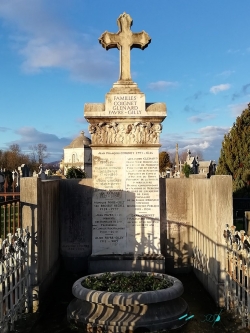
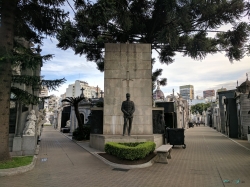
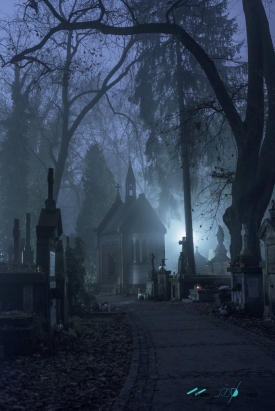
The grounds reward an unhurried walk. Tombs range from modest markers to elaborate family chapels and sculpted monuments, set among trees and winding paths. Rather than reading the cemetery as a simple catalogue of famous names, notice how its forms reflect changing ideas about family, faith, status and remembrance. The City of Paris heritage material describes the site as a landscape shaped by funerary use and garden design; its plan identifies historic features including the Mur des Fédérés, a memorial associated with the final days of the Paris Commune in 1871. The place is a record of public history, but also of changing private rituals.
Many visitors arrive looking for the graves of artists, writers, musicians and political figures. Official city maps and cemetery information help locate requested personalities, including Frédéric Chopin, Édith Piaf, Oscar Wilde and Jim Morrison. These destinations can be meaningful, but the lanes and monuments between them are part of the visit too. The cemetery’s notoriety can make popular graves busy, while less familiar sections reveal varied sculpture and architecture. Use the free plan or official visitor information rather than relying on an unverified pin; grave locations can be difficult to identify in a large, layered site. Keep pathways clear and avoid disturbing funerals or people visiting family graves.
Opening hours, access and current works
For the current autumn season, the City of Paris lists opening from March 16 through November 5, 2026: Monday to Friday, 8 a.m. to 6 p.m.; Saturday, 8:30 a.m. to 6 p.m.; and Sunday, 9 a.m. to 6 p.m. From November 6 through March 15, the listed closing time is 5:30 p.m., with the same weekday and weekend opening times. Admission is free, and the cemetery is open every day of the year, including public holidays. The city begins clearing visitors 15 minutes before closing and will not admit new visitors after that point. Check the municipal page before travelling in case of exceptional closures or schedule changes.
The official address is 16 rue du Repos in Paris’s 20th arrondissement. The city publishes several entrances and a cemetery plan, which is useful because the grounds are extensive and a destination may be closer to a different gate than the main address suggests. Public transport stops serve the surrounding area; choose the entrance that suits the section you intend to visit and check current transit service. Allow time for walking between graves: the paths are not a quick indoor circuit, and the site’s slopes and layout can make a short map distance feel longer. The cemetery is a place of work and mourning, so follow staff notices and any temporary access restrictions.
Restoration, respectful visits and practical planning
One especially well-known monument is currently not accessible. The City of Paris reports that the tomb of Héloïse and Abélard is under restoration and is expected to become visible again after work is completed in August 2027. The closure is important for anyone building a route around the medieval couple’s memorial; do not assume it can be viewed from the path during the works. Restoration is part of the site’s continuing stewardship, as weather and age affect stone, sculpture and structures. The city’s heritage dossier also reminds visitors that the cemetery remains an operating burial ground, not simply a backdrop for sightseeing.
A practical visit starts with a map, comfortable walking shoes and a little flexibility. Decide whether you want to follow a route around particular graves or explore a section more slowly, and leave time for unexpected discoveries. Read inscriptions from the path where possible, do not climb on monuments, and keep voices low. Avoid treating private grief as a tourist spectacle; families and mourners have priority in a place that continues to serve its original purpose. Père-Lachaise is compelling precisely because history here is not sealed behind glass. The old avenues, living trees, funerary art and contemporary care make it a public landscape where Paris remembers, mourns and keeps changing.