Chin Pao San Cemetery in Taiwan: memorial art and the story of Yun Garden
A cemetery on Taiwan’s North Coast
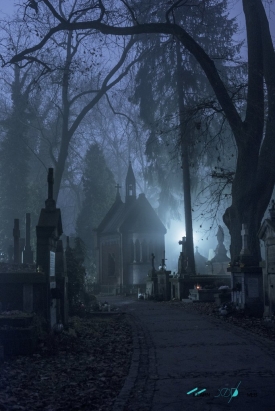
Chin Pao San is a private cemetery in Jinshan District, New Taipei City, on Taiwan’s northern coast. Its setting looks out toward the sea and the surrounding hills, but it remains first and foremost a place of burial, remembrance and family visits. The North Coast and Guanyinshan National Scenic Area Administration lists the grounds as a visitor stop, while the operator presents the site as a landscaped memorial complex. That distinction matters: visitors are entering an active cemetery, not an ordinary public sculpture park.
The cemetery’s operator traces its beginnings to 1977, when founder Ryh-Chang Tsao established Jinshan Peace Cemetery, the predecessor of Chin Pao San, and the company that developed the grounds. The operator’s own history says it began promoting a park-like approach in the 1980s and moved toward integrating art into the landscape in the 1990s. These are corporate milestones, but they help explain the difference between the site’s designed gardens and the image many people have of a conventional burial ground.
One of the projects highlighted in the company’s Chinese-language chronology is the Thousand-Buddha Grotto, completed in 1993 after eight years of work by sculptor Ju Ming and a group of 25 artisans. The operator presents it as a major artistic work within the grounds. Its online tour also maps memorial areas, gardens, columbaria and service facilities. The cemetery is therefore not one single monument but a broad, managed landscape with different forms of remembrance and architecture.
Yun Garden and the memory of Teresa Teng
The best-known visitor destination within Chin Pao San is Yun Garden, the memorial park for singer Teresa Teng, whose Chinese name is Deng Lijun. The North Coast scenic-area authority says her family established the garden using the character “Yun” from her given name. Its profile describes displays about her life and belongings, a singing statue and music played throughout the day. The setting, with views toward the Jinshan coast, links the memorial to the landscape rather than isolating it from the rest of the cemetery.
One feature catches the eye before visitors reach the memorial: a large piano keyboard set into the entrance plaza that sounds when stepped on. The tourism authority describes this interactive installation and a sculpture depicting Teng singing. These elements have made the site meaningful to fans who come to remember an artist whose music travelled widely across Asia. They should be approached as part of a memorial, however, not as props for noisy or disruptive behaviour.
For admirers of Teng, Yun Garden offers a place to pause, read about her life and leave room for reflection. The official visitor profile says ten of her well-known songs are played continuously, but this detail comes from a tourism page last updated in 2021; check with the site if it is important to your visit. More broadly, cemetery displays and audio can change, and the family’s memorial deserves the same consideration as other graves. Keep voices low, follow any posted rules and avoid disturbing visitors who are there to mourn.
Planning a visit with respect
The scenic-area authority’s visitor listing gives the address as No. 18, Xishihu, Jinshan District, New Taipei City, and lists opening hours of 8 a.m. to 5 p.m. The page’s recorded update is from 2021, so treat those hours as a published reference rather than a guarantee for a future date. It also lists a cemetery telephone number, (02) 2498-5900. Confirm opening, any appointment requirements, entry conditions and current visitor arrangements directly with the operator before travelling; do not assume that every area is open without notice.
The cemetery operator’s website includes an online tour, a booking option for visits and contact information for the grounds. The official pages reviewed do not clearly establish a general admission price for casual visitors, so this article does not claim that entry is free or paid. A private cemetery may have different arrangements for worshippers, family members, organized groups and individual visitors. Ask what applies to your visit, especially if you plan to explore areas beyond Yun Garden or attend a memorial event.
Because the cemetery is in the hills above Jinshan, the final leg of a public-transport journey needs planning. The operator lists intercity buses to Jinshan Post Office or Jinshan District Office, followed by a taxi to the grounds. It also advertises a reserved shuttle between Taipei and the cemetery; booking conditions and departure details should be checked on the operator’s current contact or reservation page. Taiwan’s North Coast Tourist Shuttle has also listed a Yun Garden stop, but routes and timetables can change, so verify service on the travel date rather than relying on an old schedule.
What the site reveals about memorial culture
Chin Pao San’s identity combines burial, landscape design and art. The operator’s timeline records the opening of the Chin Pao Pagoda in 1987 and later developments including the Rose Garden cemetery in 2007 and the Ten Thousand Buddha Pagoda in 2015. Those dates describe the company’s facilities, not a complete history of Taiwanese funeral customs. They do show how one private operator developed multiple settings for different memorial practices over several decades.
For a visitor, the most revealing approach is to notice how the grounds balance public-facing art with private grief. Sculptures and gardens shape the walk, while the graves, columbaria and halls remain places connected to particular families. The setting is attractive, but calling it “the world’s most beautiful cemetery” would repeat a promotional opinion rather than a verifiable fact. A more grounded description is that the operator has deliberately incorporated landscaped and sculptural features into a working memorial site.
Allow time to visit Yun Garden, but keep expectations flexible around access, opening and transport. Check the current information with the cemetery and the North Coast scenic-area authority, and treat the published 8 a.m.–5 p.m. hours as dated until reconfirmed. Visitors interested in the wider Jinshan coast can plan other stops separately, but should leave enough time for the return journey. Chin Pao San is most memorable when its art and views are experienced alongside the quiet purpose of the place: remembering people who are buried there.