Palenque, Mexico: Maya history, rainforest setting and a practical visitor guide
A Maya city in a living rainforest
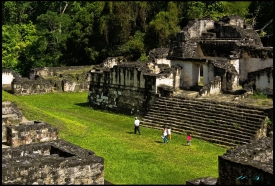
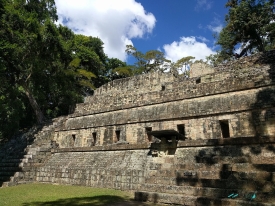
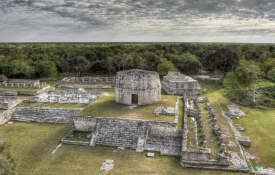
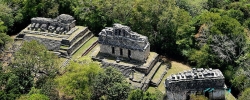
Palenque is one of the most compelling archaeological sites in Mexico’s state of Chiapas, where monumental Maya architecture rises from a humid tropical landscape. The ancient city, known in local history as Lakamha’, developed as a political and ceremonial centre during the Classic period. Its setting is not decorative background: streams, slopes and forest shaped how buildings were placed, while the present national park makes nature part of the visitor experience.
UNESCO describes the city as a major centre whose influence extended through the Usumacinta River basin, with its best-known period between roughly AD 500 and 700. The archaeological record presents a long history rather than one sudden foundation or a simple tale of abandonment. Palenque’s rulers, monuments and inscriptions illuminate political relationships and Maya thought, but the reasons for the city’s later decline are not fully settled. Responsible interpretation makes that uncertainty clear instead of filling it with a dramatic invented story.
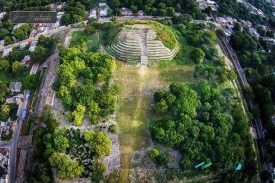
The scale visitors see is only a small part of the ancient settlement. UNESCO reports that around 1,400 buildings have been recorded across the property, while only a small fraction has been explored. The public route therefore passes through selected monumental areas within a much larger forested landscape. This difference between the visible centre and the buried city is one reason to treat the site as an archaeological place still being studied, not a finished collection of ruins.
Pakal, the Temple of the Inscriptions and the Palace
The Temple of the Inscriptions is Palenque’s most famous funerary monument. Its tall stepped form and carved panels announce the role of writing in the city’s public life. In 1952, archaeologist Alberto Ruz Lhuillier uncovered the tomb of K’inich Janaab’ Pakal beneath the temple. INAH identifies Pakal as a ruler whose reign, from 615 to 683, coincided with a major flowering of Palenque’s architecture and art. The tomb is an archaeological discovery, not a room visitors should assume they can enter.
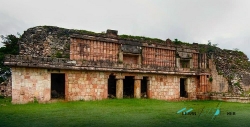
Nearby, the Palace is not one building designed at one moment but a complex expanded in stages. Its courtyards, galleries, towers and carved panels suggest spaces for ceremony, administration and elite life. The mix of open and enclosed areas gives the visitor different views of the central precinct and reveals how the architecture was adapted to the uneven terrain. Take time to compare the Palace’s accumulated forms with the more concentrated vertical presence of the Temple of the Inscriptions.
Other structures deepen the story, including the Temple of the Cross group and the building known as the Tomb of the Red Queen. INAH identifies the latter with a burial discovered in Temple XIII and associated with Tz’ak-bu Ajaw, who is understood as Pakal’s wife. Such identifications rely on archaeological evidence and scholarly interpretation; they should be presented with their evidentiary basis, not as plot points from a legend. Reliefs and inscriptions across the site preserve dynastic and religious imagery that continues to be studied.
Architecture, water and the forest around the ruins
Palenque’s buildings are known for refined stonework, carved stucco and roof combs that once emphasized their profiles. UNESCO highlights the distinctive lightness of the architecture, including vaulted interiors, galleries and openings that connect rooms with plazas. The surviving surfaces have been affected by centuries of humidity and vegetation, and conservation work is ongoing. Visitors can appreciate the design without touching the reliefs or stepping beyond barriers; preservation depends on small acts of care as well as expert restoration.
Water is another key to reading the city. The site contains channels and other hydraulic features, and archaeological research has examined how water moved through and beneath buildings. At the Temple of the Inscriptions, scholars have discussed the relationship between a concealed channel and the funerary chamber, while marking interpretations as hypotheses rather than settled fact. The location of Palenque among streams and forest helps explain why drainage and water management mattered to both urban life and the long-term stability of its structures.
The national park protects more than the archaeological core. CONANP describes a warm, humid environment and lists forest wildlife and marked nature trails, including the Motiepá trail. Its rules prohibit removing plants, lighting fires, feeding wildlife, swimming in waterfalls and leaving designated routes. Nature sightings are never guaranteed, so walk quietly and treat animals as wild. The combination of architecture, sound of water and rainforest canopy makes Palenque distinctive, but it also means rain, heat and slippery paths should be expected.
Hours, tickets and how to plan the visit
At the time of verification, INAH lists the archaeological zone as open daily from 8 a.m. to 5 p.m., with last access at 4 p.m. Its visitor page lists a separate archaeological admission of MXN 105 for Mexican visitors and MXN 210 for foreign visitors, plus a CONANP protected-area fee shown separately. Fees, exemptions and collection arrangements can change; check the current INAH and park pages before paying. The site museum is included with the archaeological admission according to INAH’s visitor information.
The site entrance is reached from the Palenque–ruins road, approximately 6.5 kilometres from the town, with road access from Federal Highway 186 or the route via Tuxtla Gutiérrez and Federal Highway 199. INAH also identifies the Visitor Attention Centre as a connection between the Palenque Maya Train station, the site museum and the archaeological zone. Confirm the shuttle or transfer service for your travel date rather than assuming a particular train connection or local timetable will match your plans.
Arrive early enough to walk the central precinct and visit the museum without rushing. Wear shoes suitable for uneven stone, bring drinking water, sun protection and rain cover, and expect humid heat even when the forest shade feels cool. Stay on the route, obey closures and avoid feeding wildlife or touching structures. A rewarding visit balances the famous tomb and Palace with a slower reading of inscriptions, water systems and landscape. Palenque is not simply a photogenic jungle backdrop; it is a major Maya city whose surviving evidence still raises questions.