Iximche, Guatemala: the Kaqchikel capital that bridges past and present
A Kaqchikel capital on a highland ridge
About 91 kilometres from Guatemala City, on a ridge near Tecpán in Chimaltenango, the archaeological site of Iximche offers a compact way to encounter the political history of the Maya highlands. Its setting is part of the story: the main settlement occupied a projecting rise bordered by deep ravines, a natural landscape that helped protect a capital during a period of regional competition.
Guatemala’s Ministry of Culture and the country’s official tourism guide place Iximche’s foundation around 1470, when it became the capital of the Kaqchikel Maya kingdom. The date is best understood as the institutionally reported beginning of the capital, not as a claim that archaeology can assign a single exact day to a city’s origins. Its importance grew through political organization, trade and ceremonial life.
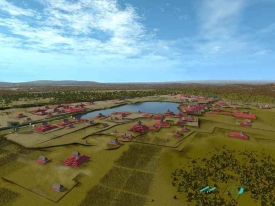
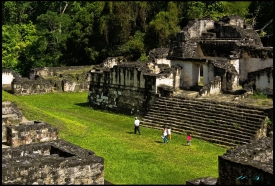
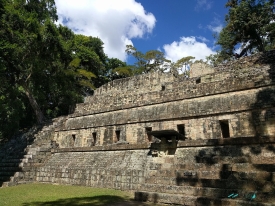
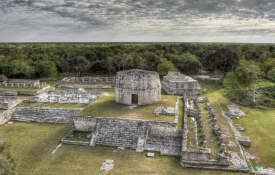
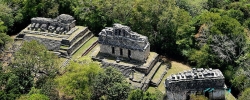
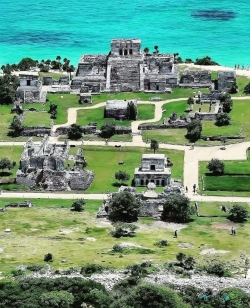
The site’s cultural inventory describes six civic and ceremonial plazas, with temples, elongated platforms, altars and residential structures. The plazas occupy distinct levels and are separated partly by the natural shape of the terrain. A ball court and paired temple groups help visitors read the central area as an organized city rather than a scatter of isolated ruins.
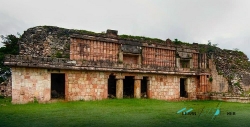
Much of the architecture was made from adobe and other perishable materials, not the massive cut limestone familiar from some Maya lowland cities. That difference helps explain why foundations and platforms survive more clearly than walls and roofs. Fire also altered the settlement: the cultural inventory records a major fire in 1526, while it notes that a chronicle gives a different date for an earlier one.
From regional power to a short-lived colonial capital
Iximche’s rise followed a changing relationship between Kaqchikel and K’iche’ communities. Guatemala’s cultural ministry recounts that the groups had been closely connected before political conflict led the Kaqchikel to establish their own capital. The ridge gave the new city a defensible position, while its public plazas made room for government, ceremony and the residence of leading lineages.
The official archaeological record associates the principal plaza groups with high-ranking Kaqchikel offices and lineages. It describes a governing order in which two leading titles held authority together, alongside other dignitaries. This is a more precise picture than treating the settlement as a single ruler’s palace: the visible architecture belonged to a political centre with several linked compounds and communities.
In 1524, after Spanish forces entered the highlands, the Kaqchikel initially allied with Pedro de Alvarado. Iximche then served briefly as the first Spanish colonial capital in the region. The alliance did not endure. Tribute demands and conflict brought resistance, abandonment and the movement of colonial authority elsewhere; Guatemala’s Ministry of Culture connects the later town of Tecpán with this history.
The city’s abandonment did not erase its place in Kaqchikel memory. Nor did it make the site culturally empty. Archaeological remains reveal only part of a history that includes political decisions, religious practice, material life and the continuing presence of Maya communities. A careful visit therefore avoids presenting the ruins as a vanished civilization cut off from the people who maintain living traditions today.
Reading the plazas and respecting a living sacred place
Begin with the layout rather than expecting one towering monument to dominate the visit. The sequence of plazas, platforms, temple bases and ball-court architecture shows how public and ceremonial space was arranged. Because some superstructures were built with adobe and roofs of combustible materials, the modest height of surviving walls should not be mistaken for a lack of historical importance.
The archaeological complex also has a present-day ceremonial role for Kaqchikel spiritual practitioners. Guatemala’s Ministry of Culture says Mayan ceremonies at protected sites must take place in designated areas; spiritual guides must hold current credentials and follow the site’s procedures. That policy makes clear that ceremonies are not performances arranged for visitors but religious practices with their own protocols.
Visitors should keep a respectful distance, avoid interrupting rituals, and follow staff directions about where photography or movement is permitted. The ministry’s guidance also requires ceremony participants to extinguish fires completely and leave the area clean. These instructions reflect the site’s double status as archaeological heritage and an active sacred landscape, rather than a stage set.
A site museum is listed by Guatemala’s cultural information system, with interpretation of the Kaqchikel settlement and material recovered through archaeological work. Museum displays can provide useful context for ceramics, sculpture and other objects, but opening arrangements may change. Confirm which galleries or services are operating before making them the centrepiece of a tightly timed excursion.
Planning a visit from Tecpán or Guatemala City
The Ministry of Culture’s visitor notice lists Iximche as open daily from 8:00 a.m. to 4:00 p.m.; that is the latest official schedule located for this review, checked on October 8, 2026. Hours, access rules and services can change, so verify directly with the site or ministry before departure, especially around holidays or special ceremonies.
The cultural inventory places the site in Tecpán, Chimaltenango, around 91 kilometres from the capital. The official Guatemala tourism guide describes travel from Guatemala City as roughly one and a half to two hours, but road conditions and traffic affect actual journey time. Tecpán is the practical nearby base; build flexibility into the day instead of relying on a precise transfer estimate.
The complex is generally explored on foot, and the official tourism guide suggests allowing a few hours for the plazas and structures. Surfaces are uneven, and paths may be affected by rain, so shoes with good traction and weather-appropriate clothing are sensible. The highland setting can feel cool or damp compared with Guatemala City; carry water and allow time to walk slowly.
No current admission price was sufficiently confirmed across the official sources consulted for this article, so this guide does not quote a fee. Ask the managing authority about tickets, museum availability, guided visits, transport and any access restrictions before setting out. Iximche rewards that preparation: a modest archaeological footprint opens onto a consequential Kaqchikel history and a living cultural landscape.