About Varadero
More than a resort strip on the Hicacos Peninsula
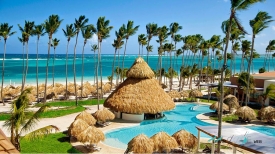
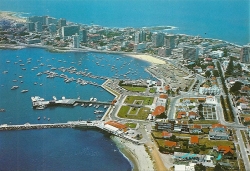
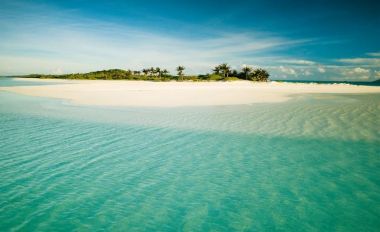
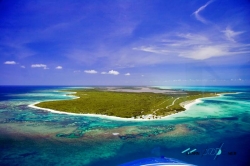
Varadero occupies the long, narrow Hicacos Peninsula on Cuba’s north coast, in Matanzas Province. The official Cuban tourism portal describes a destination of about 14.4 square kilometres, with roughly 21 kilometres of beach and an average sandy strip around 22 metres wide. Those figures help explain the place better than a generic “Caribbean beach” label: the coastline is the main landscape, but the peninsula also has residential streets, visitor services and natural areas. The sea changes colour with light and weather, while wind and waves mean that conditions are not identical along the shore or from one day to the next.
It is useful to distinguish Varadero as a town and peninsula from the individual hotels, beaches, marinas and attractions marketed under the same destination name. The beach is not one resort’s private amenity, and there is no single schedule that governs every business or activity. The tourism authority places Varadero about 140 kilometres from Havana and near the cities of Cárdenas and Matanzas. That makes it possible to combine a coastal stay with urban history, but the drive and local transport still need planning. Treat the distance as a regional orientation, not a promise about travel time in current road conditions.
From a working peninsula to a celebrated holiday destination
The Hicacos Peninsula’s documented story predates modern tourism. Cuba’s official tourism history says Sebastián de Ocampo’s Spanish expedition reached it in 1508. During the sixteenth century, the site became a sheltered anchorage and salt-producing area; the Spanish word varadero refers to a place where vessels could be brought ashore. The source also notes that the peninsula’s forests were cleared early in this period. Those details complicate the image of an untouched beach: the landscape has long been used by people, first for maritime and salt-related purposes and later for recreation.
Recreational construction began in the late nineteenth century, according to the same official account, and the first hotel on the peninsula opened in 1915 under the name Varadero; it later became the Club Náutico. After 1959, Cuba’s tourism industry was nationalized and the official history describes a change from a destination that had been exclusive toward a broader public tourism model. The account is a state tourism source, so it reflects the country’s official framing; the dates and named developments are useful historical markers, not a complete social history. Together they show that today’s resort landscape grew in stages rather than appearing all at once.
Reading the coast and choosing what to do
For many travellers, the first activity is simply spending time by the water. Instead of expecting every stretch to look or feel the same, check the conditions where you are staying and ask locally about surf, wind and any temporary swimming advisories. The broad peninsula also supports nautical activities, golf, events and evening entertainment, according to Cuba’s tourism portal. These are categories of services, not guarantees that a specific excursion, course or venue is operating on a particular date. Confirm schedules, access rules and prices directly with the operator before building a day around them.
Varadero also works as a base for looking beyond the sand. The official destination guide highlights nearby Cárdenas and Matanzas and identifies the Ciénaga de Zapata, a major Caribbean wetland, as a regional excursion. Each is a separate trip with its own transport and opening arrangements; they should not be presented as walkable attractions within the beach resort. In Matanzas city, visitors can explore a different cultural and architectural setting from the peninsula. A realistic itinerary leaves enough time for transfers and checks the operating details of each museum, nature site or tour rather than assuming that one Varadero hotel desk controls access everywhere.
Practical planning, access and a slower view
Varadero is connected by road with Havana and the neighbouring cities, and the official tourism portal lists Juan Gualberto Gómez International Airport in the Varadero area as an air gateway. Routes and flight schedules change, so check current airline and airport information before booking; do not rely on an old timetable copied into a travel page. For arrival by road, compare transfer options and allow flexibility for local conditions. Cuba’s destination portal provides visitor information and official contact details, but individual hotels, restaurants, excursions and cultural venues set their own operating schedules.
Before departure, verify what is open, how to reach the places you want to see, and whether a tour requires advance booking. Ask about beach access and local safety guidance at your accommodation, especially when weather or sea conditions shift. There is no single public “Varadero opening time” or universal admission ticket for the peninsula. A rewarding visit can be as simple as noticing how the coastline, town and resort infrastructure fit onto a narrow spit of land; the history—from anchorage and salt works to the 1915 hotel and modern tourism—gives that familiar beach scene a deeper sense of place.