About Punta Cana
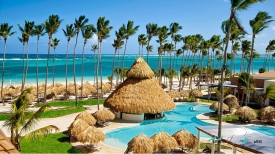
Punta Cana is often used as if it named one beach or a single resort, but travelers arrive at a much broader stretch of the Dominican Republic’s eastern tip. The country’s tourism authority describes more than 50 kilometers of pale sand coastline, with different beaches, resort zones and excursion gateways gathered under the familiar destination name. That distinction matters: a quiet cove, a surf-facing shore and a hotel beach can offer very different days, even when all appear on the same map label.
A destination that grew from one beach
The name began with a more specific place. The Dominican Republic’s official tourism guide says the eponymous Playa Punta Cana lies between Playa Los Corales and Playa Blanca, and that the area’s tourism took off when Club Med Punta Cana opened there in 1978. The resort remains on that stretch. Over time, the name came to cover a much wider coastal destination, including Bávaro, Macao, Cap Cana and other resort districts. Visitors comparing hotels should therefore check the exact beach and neighborhood rather than assuming every property is directly beside the same shoreline.
The coast’s appeal is easy to read in the landscape: warm water, long beach walks and a mix of sheltered and more exposed shores. The government tourism site highlights Bávaro as the principal resort zone, Macao for a more natural setting and surfing, and Juanillo for calmer turquoise water. It also points visitors toward Cabeza de Toro, Bibijagua and Los Corales. These are not interchangeable stops; surf conditions, access arrangements and services vary, and a beach name in a resort listing does not guarantee that every traveler will find identical facilities.
Choose the experience, not just the hotel
All-inclusive properties make it possible to build a relaxed stay around a pool and the sea, but Punta Cana is also a base for day trips. Official tourism information lists catamaran excursions to Saona Island, snorkeling or diving around Catalina Island, and trips to Los Haitises National Park. The journeys involve transport and, often, boat operators, so confirm the actual itinerary, departure point, duration and weather policy before paying. Saona’s natural pools and Catalina’s underwater scenery are excursion experiences, not beaches immediately outside every Punta Cana hotel.
On the mainland, Cap Cana’s Hoyo Azul is promoted as a turquoise cenote within Scape Park. The wider region also offers mangrove and cave excursions, rural buggy or safari routes, viewpoints at Montaña Redonda, water sports and evening entertainment. Each activity has its own operator, admission terms and safety rules. Travelers should check age or mobility requirements, what equipment is included and whether transport is part of the price. For a less scheduled day, the official destination guide also highlights the freshwater lagoons and walking paths at the Indigenous Eyes Ecological Reserve.
A reserve that needs advance planning
The Indigenous Eyes reserve is operated by the Puntacana Foundation and sits within the Puntacana Resort & Club. Its forest trails lead to freshwater lagoons, giving visitors a change of pace from the open coast. Because this is a managed ecological property within a resort area, it should not be treated as an unrestricted public park. Check the Foundation’s current visitor information for access, available guided experiences and any reservation requirements; opening arrangements and access can change. Leave wildlife undisturbed, stay on signed routes and follow staff instructions around the water.
Nature excursions also work best when the landscape is treated as more than scenery. Mangroves, lagoons and reefs are living systems, and boat or snorkeling trips can place many visitors in sensitive areas. Choose operators that explain local rules, use required safety equipment and do not encourage touching coral or handling wildlife. Bring sun protection, drinking water and any medication you need, and plan for heat even when a sea breeze makes the beach feel cooler.
When to go and how to arrive
Punta Cana International Airport (PUJ) is the main arrival point. The tourism authority says the airport connects the destination to international cities and that most resort areas are a short drive away, but the actual transfer depends on the property’s location and traffic. Arrange a licensed transfer, taxi or rental car in advance, and verify the pickup point with your hotel or operator. If your trip includes a boat excursion, ask whether the quoted transfer begins at the airport, at a resort lobby or at a separate marina.
The official tourism guide presents the destination as a year-round option and identifies December through April as the drier season; it also lists summer among the busier periods. Weather is tropical and can change, so no month guarantees uninterrupted sunshine. Before booking outdoor activities, review cancellation policies and forecast updates. Travelers comparing seasons should balance rainfall, crowds, prices and their own tolerance for heat instead of relying on a single “best month” claim.
Build a realistic itinerary
A few days can be spent entirely by the sea, while a longer stay makes room for a nature reserve, a boat trip and an evening out. The tourism authority suggests a four-to-seven-day visit, but that is a planning guide rather than a rule. Avoid stacking distant excursions on consecutive mornings: transfers can take longer than a map suggests, and the coast is spread across several districts. Confirm what a tour includes, whether meals or park fees are extra, and how early the pickup begins.
Punta Cana’s strength is its range, not a single must-see monument. A beach holiday can remain restful, while nearby islands, cenotes and protected landscapes add variety for travelers willing to leave the resort. Understanding that the destination name covers a long and diverse coastline helps set expectations: choose the exact shore, verify current access and tour details, and leave space in the itinerary for the Caribbean landscape beyond the hotel gate.