About Laguna Beach, California
A coastal town shaped by art and the Pacific
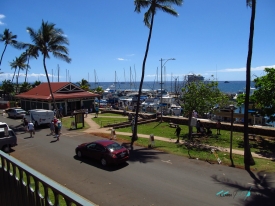
Laguna Beach is a small coastal city in Orange County, Southern California, where steep hills meet a broken shoreline of coves and pocket beaches. The U.S. Census Bureau estimated 22,391 residents on July 1, 2025, a useful reminder that this is a lived-in town as well as a resort destination. The coast and the compact downtown make it easy to combine a beach walk with galleries, cafés and public art, but the terrain is not a continuous sandy strand: cliffs, stairways, rocky shelves and changing surf shape what visitors can safely do. A thoughtful visit begins by choosing the right cove and checking local conditions.
The area has Indigenous histories that predate the modern town. A City of Laguna Beach cultural-resource document places the area in a zone historically occupied by Gabrielino (Tongva) and Juaneño/Luiseño (Acjachemen) communities. Later, artists helped define the town’s public identity. Visit Laguna Beach recounts that painter Norman St. Clair arrived in 1903 and that, within a few years, a small population included many painters drawn to the coastal landscape. In 1918, Edgar Payne opened a gallery that later became the Laguna Art Museum. These dates describe documented parts of a longer history, not the beginning of human life on the coast.
From Main Beach to protected rocky coves
Main Beach sits beside downtown and offers an accessible introduction to the shoreline, with a public beach park and the city’s familiar lifeguard tower. Other beaches and coves have different approaches, facilities and exposure to waves. The city recommends Main Beach, Treasure Island, Crescent Bay and Aliso Creek beaches for visitors seeking public restrooms and outdoor showers, but not every beach has a lifeguard at all times. Rocky outcrops that make the coast photogenic can be hazardous, and waves can sweep people from wet rocks. Swim near a lifeguard with a companion, heed closures and avoid climbing onto rocks when surf is active.
Laguna’s marine life is another reason to slow down rather than treat the shore as a backdrop. California State Parks identifies the Laguna Beach State Marine Reserve and nearby marine protected areas, where tide pools shelter animals such as sea hares, nudibranchs, limpets, anemones and sea stars. The rules prohibit taking living marine resources from the reserve and tide pools. Observe from stable, designated access, check the tide and sea conditions, and leave animals and rocks undisturbed. State Parks notes that surges can occur even at popular coves such as Shaw’s Cove. The intertidal zone is fragile habitat, not a collection site or a safe place to stand on slick algae-covered rock.
An artists’ legacy with seasonal festivals
Laguna Beach’s art identity grew from an artists’ community that took shape in the early twentieth century. The local tourism history records the Laguna Beach Art Association and Payne’s gallery in 1918; the city was incorporated on June 29, 1927. In 1932, the Festival of Arts staged its first show as a way to bring visitors and business to town. A later “living pictures” idea developed into the Pageant of the Masters, in which performers recreate artworks as tableaux vivants. The town’s annual calendar also includes the Sawdust Art & Craft Festival and Laguna Art-A-Fair, giving visitors a different reason to come beyond the surf and coves.
The 2026 summer season has already ended by this article’s October publication date: the Festival of Arts ran July 7 to September 3, and the Pageant of the Masters was scheduled July 9 to September 4. Those dates should not be reused as next year’s schedule; check each organizer’s current calendar before buying tickets or booking accommodation. The Pageant is an evening production rather than a daytime gallery visit, and festival venues lie along Laguna Canyon Road. During the busy summer period, parking and local transit become part of the plan, so a visitor should allow time for transfers and event queues.
Getting around and planning a safer visit
For the 2026–27 off-season, the City of Laguna Beach lists a free Coastal Trolley along Coast Highway from North Laguna through downtown and South Laguna toward Dana Point. The published service period began September 8, 2026 and ends June 25, 2027. Its schedule is Monday to Thursday, 7:30 a.m. to 6 p.m.; Friday, 7:30 a.m. to 10 p.m.; Saturday, 9 a.m. to 10 p.m.; and Sunday, 9 a.m. to 7 p.m., generally every 20 to 30 minutes. A separate Canyon Route runs weekends between Lot 16/Act V and downtown; parking is listed at $5, with the trolley operating 9 a.m. to 7 p.m. Check the city tracker for service changes and the lot’s current rules.
Beach rules affect everyday details: the city prohibits alcohol, smoking and fires on its beaches; leashed dogs’ permitted hours change between summer and the rest of the year, and Thousand Steps Beach does not allow dogs. The city also notes that not every beach is staffed by lifeguards at all times and recommends checking water-quality notices. These practical limits protect visitors and the coastline, and they help prevent a short beach stop from becoming a rescue call. Bring water, sun protection and footwear suitable for stairs and uneven paths. If the ocean is rough or a cove is closed, choose a town walk, gallery or public art route instead of pressing on.
Laguna Beach rewards a visitor who sees it as more than a postcard shoreline. Its coves sit beside a protected marine environment; its galleries and festivals grew from a documented artists’ community; and its current trolley network helps connect neighborhoods without treating every beach as a parking destination. Start with Main Beach or a cove that fits your mobility and sea conditions, then add a gallery or a walk through downtown. Confirm transit and event schedules on official pages, especially outside summer. The town’s enduring appeal comes from the meeting of coast, art and community—and from the care required to keep that combination accessible.