About Punta del Este
Where the peninsula meets two shorelines
Punta del Este is a resort city on Uruguay’s southeastern coast, in Maldonado Department. Its setting is unusually legible on foot: the urban peninsula projects between two very different waterfronts, with Playa Mansa on the sheltered side and Playa Brava facing the open ocean. Uruguay’s tourism ministry describes the meeting of these shores as the point where the Río de la Plata gives way to the Atlantic. The distinction helps visitors understand why a short walk across the peninsula can bring a change in wind, surf and the character of the beach.
The city is the best-known centre of a much wider coastal district. To the west, the coast runs toward Punta Ballena; eastward, it extends through La Barra and toward José Ignacio. Those places are separate stops rather than neighborhoods all within the peninsula, so a day trip needs transport and time. The ministry describes more than 20 kilometres of coast in the destination area, alongside beaches, hills and a busy calendar of food, cultural and outdoor activities.
A resort with a working history
The peninsula was not always an international holiday name. Maldonado’s municipal history recounts its earlier life as a fishing settlement and says Francisco Aguilar established Villa Ituzaingó in 1829. The seafaring landscape mattered: Punta del Este’s lighthouse entered service in 1860, guiding navigation in waters connecting the estuary and the Atlantic. The lighthouse remains a prominent landmark near the tip of the peninsula, beside the historic Faro district, the Nuestra Señora de la Candelaria church and the meteorological station.
In the early twentieth century, hotels and improved access helped turn the shore into a summer resort. The local government records that the Biarritz Hotel began operating in the 1907–08 season, when the settlement was still known as Pueblo Ituzaingó, and reports that the name Punta del Este was officially established in 1907. The municipal account calls the old lighthouse quarter the resort’s most historic area and points to early twentieth-century summer houses there. This layered story is more revealing than the familiar image of a luxury playground: a port, fishing settlement and navigational outpost preceded the modern visitor economy.
Beaches, promenades and the city’s centre
For an easy first orientation, walk the peninsula’s waterfront promenade and compare the two main beaches. Playa Mansa is generally the more sheltered bay-facing side; Playa Brava is the ocean-facing shore, known for stronger surf conditions. Conditions change with weather, tides and season, so the names are a guide to the setting, not a guarantee that any particular day is safe for swimming. Follow local lifeguard flags and instructions, especially with children or when the sea is rough.
Avenida Juan Gorlero is the peninsula’s principal commercial and dining street, running through the centre with shops, restaurants, banks and entertainment. Calle 20 is a separate open-air shopping walk, while the rambla offers a waterside route for pedestrians. These streets make the compact peninsula practical to explore without a car. The Maldonado government’s visitor information identifies Gorlero and the lighthouse area as distinct points of interest; a simple route can link the central avenue, the waterfront and the southern tip without trying to cover the whole department in one outing.
Landmarks and excursions beyond the peninsula
Several well-known sights sit outside the peninsula itself. Casapueblo, the sculptural building associated with artist Carlos Páez Vilaró, is in Punta Ballena to the west; it is not a building in central Punta del Este. Uruguay’s tourism ministry also promotes boat trips from Punta del Este port to Gorriti Island, where visitors can spend time on the beach and among pine trees. The island has a recognized historical dimension as well as a natural one, and the ministry says it is a National Historic Monument. Boat frequency, prices and seasonal services are set by operators and can change, so confirm those details locally before relying on a particular departure.
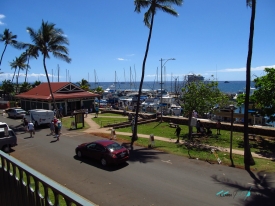
Within town, the lighthouse district rewards a slower walk: the lighthouse, church and older seasonal houses provide a more intimate contrast with the high-rise waterfront and marina. Views of the port and the meeting of the two coastal settings help explain the geography that shaped the resort. If time allows, add Punta Ballena, La Barra or another nearby beach as a separate excursion, checking transport arrangements and return times rather than assuming that all attractions are within easy walking distance.
When to go and practical planning
Punta del Este is strongly associated with summer holidays, and the resort’s population and activity rise during the high season. That can mean livelier beaches, nightlife and cultural programming, but also more demand for accommodation, dining and transport. The quieter months offer a different pace, while some seasonal businesses and services may reduce their hours. Instead of treating one calendar as universal, check the opening hours of the specific museum, restaurant, boat operator or event you want to visit.
Uruguay’s tourism ministry lists a broad mix of recreation, including surfing, windsurfing, sailing, fishing and other marine sports, as well as golf, tennis and polo in the wider destination. Availability and safety depend on the provider and conditions. Visitors arriving by air, bus or road should compare their onward transfer to Maldonado and the peninsula; for day trips along the coast, verify bus schedules and seasonal changes. Sun protection, water and footwear for promenades or sandy paths are useful in warm weather, while wind can make a light layer worthwhile even beside the beach.
See more than the postcard
Punta del Este can be approached as a beach break, an architectural and cultural stop, or a base for exploring Maldonado’s coastline. Its appeal comes from the contrast between Mansa and Brava, the older lighthouse quarter and a modern resort whose cafés, shops and marina fill the peninsula. A rewarding visit does not require chasing every fashionable address: a walk from Gorlero to the lighthouse, time on the shore and a planned excursion to a nearby landmark can show how the place fits together.
Before travelling, consult Uruguay Natural and the Maldonado municipal visitor pages for destination information, local services and current notices. Confirm weather and sea conditions, event details, transport and any island-boat schedule directly with the relevant provider. This small check matters because beach conditions and seasonal operations change. With the geography understood and the day’s logistics verified, Punta del Este offers more than a name associated with glamour: it reveals a working coastal history, two distinct shorelines and a wider landscape of beaches and communities.