Pachacamac: Lima’s ancient oracle and a living archaeological site
Where the Lurín valley meets the oracle
South of Lima, the road toward Lurín passes a landscape that looks spare from a distance: desert earth, low walls, and the open sky of Peru's central coast. Pachacamac asks for a slower look. Its importance lay less in a single monument than in the authority of an oracle that drew pilgrims for centuries. The site's museum describes it as the coast's principal sanctuary for more than a thousand years. A visitor now walks through the remains of several political worlds, each of which made room for a sacred place it could not simply erase.
The name is commonly rendered as the force that animates the world. Museum interpretation explains that ancient worshippers associated the deity with earthquakes and treated access to the oracle with profound ritual care. Those beliefs are historical accounts of a religious landscape, not a promise that every surviving wall can still be assigned one precise ceremony. The scale of the site, the routes through it, and the successive buildings convey a more reliable story: Pachacamac was a place where distant communities came to ask questions and where rulers sought legitimacy.
Begin at the site museum before heading into the archaeological circuit. Its galleries give names and dates to structures that otherwise risk becoming an anonymous sweep of adobe. The idol from the Painted Temple, a textile door decorated with Spondylus shells, Wari ceramic offerings and Inca quipus are among the objects the museum identifies from its excavations. The collection makes a useful distinction between what archaeologists have found and what later chroniclers said about the sanctuary. That distinction should travel with you outside.
Layers of a sacred city
Archaeological evidence in the Lurín valley predates the monumental sanctuary. The museum notes a Late Formative cemetery near the site and places the major cultural sequence on display from around 200 CE. During the Lima period, roughly 200 to 600, the coast developed its own architectural and artistic traditions. Under Wari influence, about 600 to 1100, Pachacamac's oracle gained wider Andean reach. These periods were not tidy handovers; they are the broad frames through which researchers read pottery, construction and changing patterns of pilgrimage.
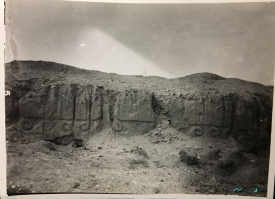
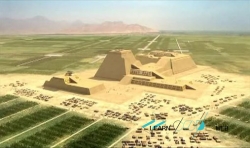
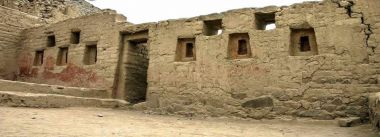
Later, the Ychma period, about 1100 to 1470, left a distinctive group of ramped pyramids and administrative spaces. Their layout matters because it complicates the idea that Pachacamac was only a temple. A visitor can read the site as a working settlement as well as a religious centre, with buildings that organised people, offerings and authority. The surviving architecture does not authorize invented scenes of daily life, but it does show that generations invested labour and planning in this valley long before the Inca arrived.
In the late fifteenth century the Inca incorporated the region into Tawantinsuyu. The sanctuary museum links that phase with the Temple of the Sun on a commanding rise and the Acllawasi, associated with women selected for service to the state cult. The older oracle was folded into a new imperial order. Spanish arrival in 1533 began the colonial abandonment of the sanctuary. What remains today is therefore neither one city's ruins nor one empire's monument: it is a long record of adaptation, devotion and interruption.
The museum and the ground outside
The museum itself is part of this story of interpretation. Founded in 1965 with Arturo Jiménez Borja as its first director, it gained a new building in 2016. The low contemporary design, by Patricia Llosa and Rodolfo Cortegana, was planned to sit beside the protected archaeology rather than overwhelm it. Its controlled daylight and outward views prepare the eye for the earth-coloured structures beyond. A walk through the galleries is time well spent even if the day's weather or a conservation closure shortens the outdoor route.
On the open circuit, follow the signs and the staff's instructions. Conservation work can change what is accessible. As of the museum's October 2026 visitor information, the special Pilgrims' Route is temporarily suspended while archaeological conservation continues; no reopening date is promised. That warning matters because descriptions of the route elsewhere may make it sound bookable. The standard museum and archaeological visit remains a separate proposition, and the museum provides a downloadable map to help visitors understand the authorised circuit.
The setting is exposed, and the museum recommends comfortable shoes, a hat, sun protection and water. These are practical details with a conservation implication too: a planned visit is less likely to turn into an improvised shortcut across fragile ground. Visitors with reduced mobility should check arrangements before arrival. The museum says wheelchairs are available for its indoor exhibition but cannot be taken into the archaeological zone; free electric carts for older visitors and people with disabilities are offered on the circuit Tuesday to Friday after coordination at the ticket desk.
Planning a visit without losing the story
The official address is Antigua Carretera Panamericana Sur, kilometre 31.5, in Lurín. The museum's current page lists opening from Tuesday to Saturday, 9 a.m. to 5 p.m., with ticket sales ending at 4:30 p.m.; Sunday is 9 a.m. to 4 p.m., with sales ending at 3:30 p.m. It lists general admission at S/15, S/1 for ages three to seventeen and S/5 for accredited higher-education students. Check the same official page before setting out, especially for closures or tariff changes.
A guided visit is offered subject to availability. The museum lists S/50 for a group of about fifteen to twenty, separate from admission, and says the service does not operate on the first Sunday of each month. It also describes a free first-Sunday museum entry for Peruvians and foreign residents who present the required identification. These rules are specific enough to plan around, yet none should be mistaken for a guarantee that a guide or a particular outdoor sector will be available on arrival.
Pachacamac's strongest impression comes from holding several timescales together. The museum's small objects speak of hands, offerings and record keeping; the walls outside speak of ambitions repeated over centuries; the conservation signs speak of a site still being studied. Leave with those differences intact. The oracle's fame brought people from across the Andes, but the present-day journey is also an exercise in reading evidence carefully and respecting the parts of the sanctuary that must remain closed.