The Isle of Man: castles, a giant waterwheel and an island with its own voice
An island that rewards looking beyond the map
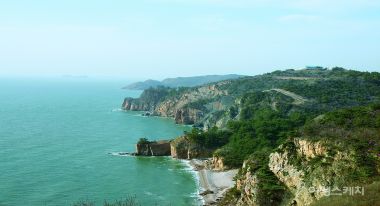
The Isle of Man sits in the Irish Sea between Great Britain and Ireland, but its identity is not simply a position between larger neighbours. Cliffs, beaches, wooded glens and upland peatlands give it a varied physical shape. Castles, mining machinery and a working parliament provide another map, made from the ways people have governed, defended and earned a living on the island. Following those connections reveals a destination with a distinct voice.
That distinction has a constitutional form. The island is a self-governing Crown Dependency, not part of the United Kingdom. Tynwald’s own explanation identifies a separate parliament, government, courts and power to make laws and raise revenue. Its relationship with the United Kingdom is maintained through the Crown. The familiar title Lord of Mann belongs to the British monarch, but the island’s public institutions have their own history and responsibilities.
UNESCO’s 2016 biosphere designation adds the surrounding sea to the picture. The reserve encompasses the island and its territorial waters, with coastal habitats, farmland, glens and marine environments forming a connected whole. It is not an empty landscape set apart from society. Farming, communities and heritage are part of the relationship being recognised, making the ordinary work of living on the island central to its environmental future.
From medieval power to the work of the mines
In Castletown, Castle Rushen gives that institutional history a substantial physical presence. Its medieval fortress rises above the town’s market square and harbour setting. Manx National Heritage traces its beginnings to a Viking king and describes later uses as a Civil War fortress and Victorian prison. The progression changes the meaning of the walls: structures intended to keep attackers outside could also hold prisoners within. A visit is as much about changing power as medieval architecture.
Peel Castle offers a different relationship with the coast. On St Patrick’s Isle, its enclosure gathers religious and defensive remains, including churches, chapels, cemeteries and the Cathedral of St German. The interest lies in that combination rather than in a single surviving keep. Stonework gives form to successive uses of the same exposed site. It is an open-air place with steps and uneven ground, conditions worth considering before planning how much of it to explore.
At Laxey, the great waterwheel shifts the story from defence to industry. Named Lady Isabella, it opened in 1854 to address flooding in the mines. Local engineer Robert Casement’s design used water power to help remove water from workings associated with lead and zinc. Its size makes an immediate impression, but the purpose matters: an engineering landmark preserves the memory of labour underground, where extracting valuable minerals required overcoming persistent physical hazards.
Public life, political reform and road racing
Tynwald connects heritage with institutions that continue to make decisions. Its parliamentary structure is not simply a relic to place beside a castle. The island’s capacity to legislate for itself helps explain why its history follows a different path from that of its neighbours. Learning about that autonomy gives the buildings and historical displays a wider context: the past survives here not only as architecture, but in the organisation of public life.
The extension of voting rights in 1881 is one revealing example. Tynwald’s specialist history records that women owning property in their own right gained the vote, with women taking part in that year’s elections. It was a significant reform, but not a vote granted to every woman. The qualification matters because it reveals a society changing through specific legal decisions, rather than an uncomplicated story of democracy arriving complete in a single year.
The TT motorcycle races make the island’s roads part of another distinctive tradition. The official race organiser describes qualifying and racing on the Mountain Course, formed from public roads closed for the event. Those roads are ordinary infrastructure for the rest of island life. During race periods, plan movement around official closures and spectator instructions, rather than treating a famous course as an unrestricted sightseeing route. Event arrangements belong alongside accommodation and transport in any travel plan.
Let the season shape the journey
The heritage calendar changes substantially with the season. Information checked on 29 October 2026 lists the main 2026 visitor season at Castle Rushen and Peel Castle through 1 November. A trip later in November therefore needs an individual check for openings and special events; summer arrangements should not be carried forward automatically. Manx National Heritage’s museum programme provides other possibilities, but each site has its own dates and practical conditions.
Accessibility also requires a site-by-site approach. Castle Rushen identifies an accessible ground floor, while Peel’s outdoor surfaces and stepped entrance present different challenges. Manx National Heritage publishes individual guides and invites visitors with particular requirements to contact it in advance. Matching the plan to those details leaves more time for the place itself: a harbour beside a fortress, religious ruins above the sea, or a waterwheel whose workings connect landscape with industrial history.
Conservation gives the future a concrete form. Peel Castle’s published notice announces work on the Barbican Wall from November 2026 into spring 2027, including repointing and masonry repairs around an entrance where scaffolding is planned. Such care belongs to the island’s wider biosphere story. Buildings, livelihoods and habitats all require continuing attention. The Isle of Man is most rewarding when those strands are allowed to meet, rather than being reduced to a race, a castle or a scenic coastline alone.