Yeonpyeong Island, South Korea: borderland landscapes and a slower West Sea journey
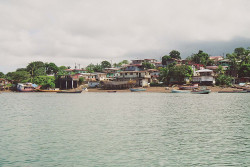
Yeonpyeong Island lies in the West Sea off Incheon, where a visit is shaped as much by the boat timetable as by the landscape. Incheon’s official island portal describes Daeyeonpyeong as a northern island known for its clean waters, crab and layered history. The island’s setting near the maritime border also gives the trip a distinct character: this is a lived-in community and a place associated with security and peace, not a resort strip built around easy day-trip access. Visitors who come prepared can encounter quiet shoreline scenery alongside difficult, recent history.
An island reached by ferry
Daeyeonpyeong is part of Yeonpyeong-myeon in Ongjin County, Incheon. The island portal gives its area as 6.26 square kilometers and places it about 81 kilometers from Incheon’s coastal passenger terminal. It lists the passenger ferry between Incheon and Yeonpyeong at roughly two hours; a route table estimates about 150 minutes and names Korea Ferry as the operator. These are published estimates, not a promise for every sailing. Weather, seasonal operations and route calls can affect travel time.
There is no bridge to the mainland. Before setting out, check the current sailing timetable, ticket availability and boarding requirements directly with the ferry operator or port authority. Build flexibility into the itinerary, especially if connecting with another train, bus or flight. The official portal lists a contact number for the ferry operator and local accommodations, but schedules and business details can change. A same-day return should not be assumed until you have confirmed both the outbound and return services.
The crossing is part of the experience. As the ferry leaves the mainland, the urban waterfront gives way to open water and a chain of inhabited and uninhabited islands. Conditions can be windy, and motion-sensitive travelers may want to prepare accordingly. Keep identification and booking details accessible, follow crew instructions and heed any official travel notices. Because this is a maritime border region, follow local access rules and do not photograph or enter restricted areas where signs or authorities prohibit it.
Coast, village and island landmarks
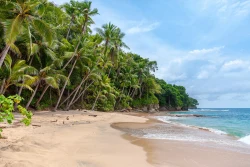
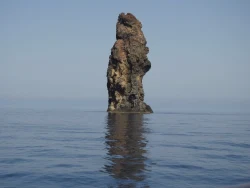
Incheon’s portal groups several visitor sites on Daeyeonpyeong: Haesongjeong, an observation deck on the second floor of the Yellow Croaker History Museum, Guri-dong Beach, Yeonpyeong Peace Park, Byeongpung Rock, the Yeonpyeong Security Education Center, Dongjinjeong and a military-tunnel tourism facility. The names offer a useful starting map, but they are not all the same kind of attraction. Some are coastal or landscape features; others interpret the island’s fishing and security history. Check the individual site’s access and opening arrangements locally before building a day around it.
The island is closely associated with the yellow croaker fishery and blue crab. Incheon’s portal also identifies sea bass, peppers and white-fleshed sweet potatoes among its local specialties. Those products link the landscape to the work of residents, though availability at restaurants and markets varies. Rather than treating local food as a guaranteed seasonal menu, ask what is being served during your visit. A meal in the village can be one way to support local businesses, whose operating hours may be more limited than those in the city.
Yeonpyeong Peace Park and the security education site make clear that the island’s attractions include the memory of conflict. The portal describes the island as preserving the setting of the Yeonpyeong shelling incident and frames a visit as an opportunity to reflect on peace and security. A respectful traveler should approach memorials and interpretation spaces as places of remembrance, not as spectacle. Read the material on site, follow instructions, and allow residents their privacy in a community that continues to live with the consequences of a sensitive border location.
Practical planning and local services
The official portal lists guesthouses and other local businesses, but the island’s small scale means that accommodation, meals and transport should be arranged in advance. It does not list an island-wide public transport service in its visitor information. Confirm whether your lodging can help with transfers between the ferry terminal and attractions, and ask about walking distances before relying on a map estimate. The same official page provides business phone numbers, but travelers should recheck that each listing is current before depending on it.
Plan around the return ferry, not the other way around. If a sailing is delayed or canceled, you may need to stay overnight; avoid an itinerary with an inflexible onward connection. Pack any medication and essentials you need, and bring layers for wind on the water and exposed shore. Respect local guidance around coastlines and military or security facilities. There are no reliable visitor opening hours for every named place in the island portal, so do not assume that museums, observation points or educational facilities will be open whenever you arrive.
A visit that rewards attention
Yeonpyeong is most rewarding when approached as a real island community rather than a checklist of photo stops. The ferry crossing sets the pace; coastal views, local fishing culture and peace-related sites reveal different parts of the island’s identity. A slower schedule gives time to understand why the border matters to residents and how maritime livelihoods shape everyday life. The official descriptions are useful for planning, but conditions are local and changeable, so verify access close to departure.
For prospective travelers, the essentials are straightforward: confirm the ferry in both directions, check current operator instructions, arrange lodging and ground transport, and follow signs and staff guidance around sensitive sites. Do not promise yourself a particular view, meal or attraction until access is confirmed. With that preparation, a visit to Daeyeonpyeong can offer a thoughtful look at Incheon’s remote West Sea, where striking coastal scenery and a complex modern history occupy the same small island.