Saboga Island, Panama: Pearl Islands history, nature and ferry planning
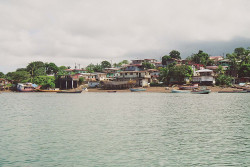
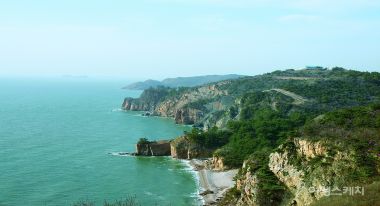
Saboga is a small island community in Panama’s Pearl Islands, close to Contadora but with a quieter profile. The municipal government describes the corregimiento as being on Isla Saboga and highlights its beaches, walking trails and low-key atmosphere. The setting is the Gulf of Panama, where the archipelago’s green islands rise from the Pacific within reach of the capital by boat. Saboga is not a resort complex with one central gate or a single ticket: it is a lived-in island destination whose appeal depends on sea conditions, local services and the visitor’s willingness to plan ahead.
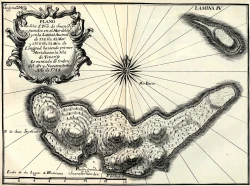
The name also evokes a much larger history. The Pearl Islands were known to Indigenous communities as Terarequi before Spanish colonizers used the abundance of pearl oysters to rename the archipelago. Research shared by the Smithsonian Tropical Research Institute describes how people used mother-of-pearl oysters for food and used pearls and nacre for adornment and exchange before European colonization. During the sixteenth century, the Spanish commercialized extraction for overseas markets, exploiting Indigenous divers and later turning to enslaved Africans. These are histories of the wider archipelago and Panama’s Pacific coast; they should not be reduced to a claim that every event happened on Saboga itself.
From pearl waters to an island community
The pearl fishery connected the Gulf of Panama to colonial trade networks. The Smithsonian account describes a rapid increase in commercial extraction from the 1520s and a documented fall in oyster numbers by 1570. Divers faced dangerous conditions, and the ecological consequences outlasted the boom: the institute reports that pearl-oyster populations collapsed after harvesting exceeded their capacity to recover. The story helps explain why the islands’ name carries a historic promise that does not describe today’s easy availability of natural pearls. A visit to Saboga is not a pearl-buying excursion, and claims about locally sourced pearls deserve careful scrutiny.
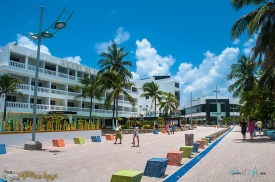
That past is part of the archipelago’s identity, but modern island life cannot be told through pearls alone. The municipal profile presents Saboga as a corregimiento near Contadora, with beaches and trails, while the wider Pearl Islands remain a collection of distinct settlements and islands rather than one uniform tourist zone. Conditions and facilities vary from place to place. Visitors should not assume that services available on Contadora—such as accommodation, shops or regular transport—are also available on Saboga at the same hours or scale.
Administratively, the municipal and environmental sources place Saboga in Balboa District, Panama Province, within the Pearl Islands of the Gulf of Panama. There is a naming detail worth keeping straight: Panama’s Environment Ministry uses “Saboga Wildlife Refuge” for a protected area, but its 2025 clarification says the refuge’s 1.097 square kilometres of island land comprise Pacheca/Pachequilla, Bartolomé, Chitre and nearby islets, alongside 81.884 square kilometres of marine area. The refuge’s name does not mean that the main island of Saboga is itself entirely inside that land designation.
Coast, wildlife and the conservation picture
The municipal government promotes the island for its beaches, coves and trails. Those are promising ingredients for a slower visit, but there is no single official visitor timetable or admission ticket for the island as a whole. Access to a beach or path may depend on local conditions, land access and weather; ask locally before crossing private property or entering a sensitive area. The more useful expectation is an island community and coastal landscape, not a fully serviced attraction with marked facilities at every stop.
The wider reserve was created to protect marine and island biodiversity. MiAmbiente identifies several sea turtles, cetaceans, sharks and the locally endemic Saboga boa among the conservation interests associated with the protected area. These designations signal ecological value, not a guarantee that a visitor will see a particular animal. Keep a respectful distance from wildlife, avoid disturbing nests or collecting shells and marine life, and follow instructions from local guides and authorities. The distinction between the island, the corregimiento and the named refuge matters when reading conservation maps or planning an excursion.
Saboga also makes more sense as part of the Pearl Islands than as an isolated “paradise” image. Contadora is nearby and serves as a better-known tourism hub; the municipality lists several destinations across the archipelago and notes that selected routes connect different islands. The sea is both the setting and the main logistical constraint. Wind, swell, tides and operator decisions can affect crossings, so building a rigid same-day schedule around an unconfirmed boat is risky. A flexible plan and an overnight stay, if locally available and booked directly, can reduce pressure on a tight return connection.
How to plan the boat trip responsibly
Ferries depart from the Flamenco area on the Amador Causeway in Panama City, but published information is not interchangeable between islands. Sea Las Perlas posts a daily timetable for the Panama–Contadora service and separately lists Saboga among its destinations and on its fare page. A local Saboga accommodation page advertises a regular ferry route as well. Because these pages do not all show the same route details, confirm directly with the carrier that your chosen sailing actually lands at Saboga, along with the departure pier, check-in time, return time, luggage allowance and any identification requirement. The operator itself warns that schedules can change.
At the time of checking on 3 October 2026, Sea Las Perlas’ fare page listed a round trip to Saboga at US$118 for adults and US$98 for children; fares from other sellers and services can differ, and prices may change without notice. Treat this as a dated reference, not a guaranteed quote. Before paying, verify the total, what the ticket covers, cancellation terms and whether the return boat leaves from Saboga or another island. Bring drinking water, sun protection and any needed medication, and do not assume that island shops will stock every item. Saboga rewards visitors who approach it as a real community and a fragile marine landscape—not simply as a beach photograph or an extension of Contadora.