Filicudi, Italy: prehistoric Capo Graziano and a quieter Aeolian island
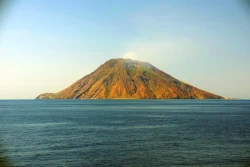
Filicudi is one of the Aeolian Islands north of Sicily, a small volcanic island where the visitor’s pace is shaped by the sea, scattered settlements and a remarkably deep archaeological record. Italy’s national tourism board places it about 24 nautical miles from Lipari and describes it as the archipelago’s fifth-largest island and second westernmost after Alicudi. Rather than a checklist of large attractions, Filicudi offers a slower itinerary: a harbor, coastal villages, pebble beaches and the promontory of Capo Graziano.
Capo Graziano: a prehistoric settlement above the sea
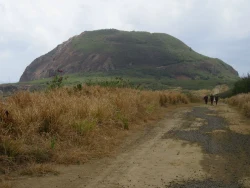
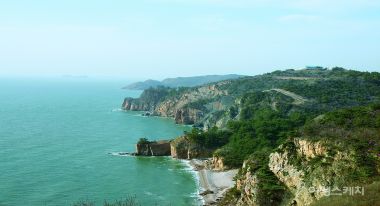
The most distinctive historical visit is the prehistoric village on the Capo Graziano promontory. Official tourism information describes remains of 27 huts dating to the Bronze Age, set above a shoreline of volcanic pebbles. The elevated position makes the site’s relationship to the sea immediately visible: the headland commands views in more than one direction, while the settlement’s remains invite visitors to imagine an inhabited landscape without turning that interpretation into a claim about exactly how every structure was used.
The place has also returned to active archaeological attention. On September 10, 2026, the Sicilian regional archaeological parks authority announced that investigations at the prehistoric village had resumed after nearly sixty years. That is an important current development, but it does not mean the new research has already produced a settled account of the site. Travelers can see the remains and understand that study is continuing; claims about discoveries should wait for publication by the archaeologists responsible.
Capo Graziano is not an isolated ruin detached from the island. The nearby coastal settlement of Filo Braccio is identified by Sicily’s tourism service as an older settlement associated with the archaeological sequence of the area. The headland, the village remains and the sea form one layered landscape. Taking time to look at the terrain helps explain why a modest archaeological site can carry significance well beyond its visible footprint.
Harbor life, beaches and a small island museum
Filicudi’s port is a practical arrival point and a place to find the island’s branch of the Luigi Bernabò Brea Archaeological Museum. The Sicilian regional culture department describes it as a museum in a traditional two-storey Aeolian house overlooking the prehistoric village of Capo Graziano. Its five exhibition rooms present island archaeology and material recovered from the surrounding sea. The museum was opened to the public in 2003 and inaugurated in 2004, giving visitors context before or after walking to the archaeological area.
Current museum availability and hours should be checked with the regional museum or local authority before travel; island museums can use seasonal schedules. This is a compact complement to the outdoor site rather than a substitute for it. Exhibits connect objects with the island’s wider maritime history, while the walk outside returns attention to the headland and its setting.
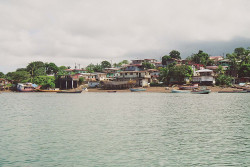
For time by the water, official tourism material identifies three principal beaches around the port, Capo Graziano and Pecorini a Mare. The beach at Pecorini is known for dark rounded pebbles, small boats and low fishermen’s houses. These are modest shorelines, not resort beaches with extensive facilities, so bring what you need and check sea conditions. Swimming, snorkeling and boat outings depend on weather and local conditions, and visitors should follow any safety notices in place.
Getting to Filicudi and planning a stay
Filicudi is reached by sea, with connections operated among the Aeolian Islands and from ports on Sicily. Liberty Lines publishes seasonal timetables that include Filicudi and cautions that schedules can change. Confirm the current departure, route, landing port and return connection with the carrier before booking accommodation. A missed or altered sailing can affect an island itinerary more than it would on the mainland, so leave room for changes, particularly outside peak summer service.
The island is part of the municipality of Lipari, but its quieter character and separation from the larger island are precisely what make planning important. Check how far lodging is from your arrival port and the places you intend to visit; do not assume that every service is open every day or close to the pier. If you plan to walk to Capo Graziano, wear shoes suited to uneven ground and allow time to return before sunset.
A visit built around place, not a packed schedule
Filicudi rewards a traveler who leaves space between stops. A morning at the archaeological promontory, a look inside the small museum when open, a coastal walk and an evening in Pecorini a Mare make a coherent day without claiming that every part of the island can be covered quickly. The appeal lies in connections: Bronze Age settlement above a volcanic coast, objects preserved in an island museum, and modern boat services that still determine how residents and visitors move.
Because the new archaeological investigations are underway, some visitor conditions or access details may evolve. Follow signs at the site and any guidance from the regional archaeological authority. Do not enter excavations or handle artifacts. Ferry and museum details should be rechecked close to departure. With those practical checks, Filicudi becomes more than a quiet beach stop: it is an island where the evidence of ancient life, a working port and present-day research remain part of the same landscape.