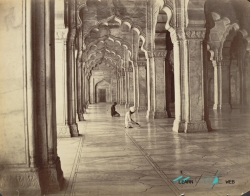
The Taj Mahal is often reduced to a white-marble silhouette, but the monument makes more sense as a carefully composed complex beside the Yamuna River in Agra. Its central tomb, garden, mosque, guest house and monumental gateway were designed to be experienced together. That broader view also helps visitors separate documented history from romantic legends and plan around rules that can change. The Taj is a protected World Heritage property managed by India’s Archaeological Survey, not simply a photo stop; how you move through it matters to both the experience and its preservation.
Mughal emperor Shah Jahan commissioned the mausoleum in memory of Mumtaz Mahal, who died in 1631. UNESCO dates the beginning of construction to 1632, places completion of the main tomb in 1648 and says the mosque, guest house, southern gateway, outer courtyard and cloisters were completed by 1653. These milestones refer to different parts of a large project rather than one single opening day. The sequence helps explain why accounts sometimes give different dates for the Taj Mahal’s completion.