La Digue, Seychelles: island life, beaches and heritage at L’Union Estate
An island reached by sea
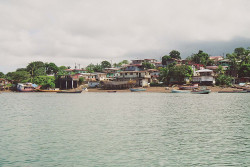
La Digue is one of the Inner Islands of Seychelles, in the Indian Ocean, and the fourth-largest island in the country. It has no airport; most visitors arrive by ferry, usually from Praslin, while some services connect with Mahé. That approach matters: a stay here is not simply a beach stop but a change of scale, from the main islands’ transport hubs to a compact community shaped by the coast.
Tourism Seychelles describes La Digue as practically motor-free, though that should not be read as a promise that no service or work vehicles exist. Bicycles, walking and locally operated carts are the familiar ways to move around. The island’s main road curves around much of its perimeter, while smaller lanes and paths lead toward beaches, homes and estate grounds. Renting a bicycle near arrival is convenient, but check brakes, lights and tires before setting off.
The island’s identity is more layered than its postcard image. A 2026 heritage trail published by Tourism Seychelles links plantation buildings, homes, wells, religious places, old routes and natural landmarks to the history of work and everyday life. Rather than treating La Digue as an untouched resort, visitors can see how tourism, settlement, agriculture and the sea have shaped a living district whose landscapes remain part of local life.
Granite shores and a working heritage
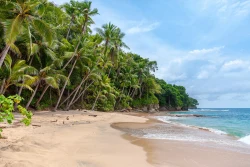
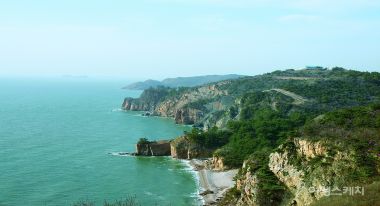
Anse Source d’Argent is La Digue’s best-known beach, celebrated for granite boulders, shallow water and the changing light along its coves. Its fame can make photographs look like a guarantee of quiet, but the shore is a popular attraction and conditions vary with tide, weather and visitor numbers. Arrive with time, follow local signs, and do not climb fragile formations or remove shells, plants or other natural material.
Access to Anse Source d’Argent is through L’Union Estate at Anse Réunion. The estate’s own visitor page currently lists opening every day from 6 a.m. to 6 p.m. and an entrance fee of SCR 150 for foreign nationals. These are practical reference details, not a substitute for checking before travel: fees, payment arrangements or holiday access can change. Keep the ticket or pass details handy if you expect to leave and re-enter.
L’Union Estate brings together several chapters of La Digue’s plantation economy. Tourism Seychelles traces the estate’s origins to the eighteenth and nineteenth centuries, when coconut and vanilla cultivation, copra and related work were central to island life. The historic plantation house known as Gran Kaz is dated to 1818 by the tourism board. Its value is not just architectural: it helps visitors understand the labour and land use behind the island’s present-day scenery.
Within the estate, the official visitor information identifies preserved landmarks including the plantation house, the old pier and La Digue’s oldest cemetery. The grounds also interpret coconut processing, including the kiln where dried coconut meat became copra, alongside other surviving features of estate life. Treat displays and structures as heritage rather than props; stay on paths, observe any access limits, and allow time to read the site rather than rushing directly to the beach.
The estate also provides access to Anse Source d’Argent and a broader landscape of palms, granite and coastal vegetation. Its website describes additional visitor experiences, but availability may be seasonal or dependent on operators. If a particular activity, tasting or facility matters to your visit, confirm it with the estate in advance. The island’s appeal is strongest when the beach and the history are understood together, not when one is used merely as a backdrop for the other.
Nature reserves, paths and the island’s scale
La Digue’s Veuve Special Reserve protects habitat for the Seychelles black paradise flycatcher, an endemic bird whose conservation helped prompt the reserve’s creation. The Seychelles Parks and Gardens Authority says the reserve was officially opened in 1982 and legally designated in 1991. It covers 21 hectares on the island’s western side, within a larger plateau, and includes an information display about the bird and Seychelles’ environment.
The parks authority currently publishes opening hours of Monday to Friday, 8 a.m.–4 p.m., and Saturday, 9 a.m.–3 p.m.; it lists SCR 150 for non-citizens and SCR 200 for a guided tour. These details should be rechecked with the authority before setting out, particularly on Sundays and public holidays, for which the page does not list regular hours. Move quietly, keep to marked routes and never approach nests or try to attract wildlife.
Beyond the reserve and estate, La Digue rewards a slower itinerary: cycle between the settlement and the coast, then leave the bicycle where the path or local rules require. The island’s highest ridge is identified by district information as Nid d’Aigle, at about 330 metres. Do not assume a map pin means a maintained public trail; ask locally about current access, weather, footing and whether a guide is advisable before attempting a hill walk.
Beaches beyond the famous western cove have their own character. Grand Anse, Petite Anse and Anse Coco appear in official destination material as notable southern-coast beaches, but a beautiful shore is not automatically safe for swimming. Surf, currents, reef and seasonal weather can differ from one bay to another. Check conditions with residents or accommodation staff, heed warnings, and avoid entering water beyond your ability or where no safe exit is apparent.
Ferries, timing and a thoughtful visit
For most travellers, the simplest route is a ferry from Praslin; Mahé connections may include a stop at Praslin, and the operator’s timetable can also show direct sailings on selected days. Cat Cocos publishes its schedule online, but routes and departure times are date-specific. Book against the live timetable, allow time for transfers between ports and airports, and reconfirm the day before travel rather than relying on an old screenshot or third-party summary.
There is no single opening time for the whole island: beaches and roads are not a ticketed attraction, while L’Union Estate and Veuve Reserve have their own published hours and charges. Carry water, sun protection and a small repair plan if cycling; distances feel different in heat or rain. If a ferry departure is essential, plan the day around it and leave a generous buffer, since weather or operational changes can affect sea transport.
La Digue is rewarding precisely because its landmarks belong to a real island rather than a purpose-built resort. Anse Source d’Argent offers the celebrated granite coast; L’Union Estate gives that landscape a history of cultivation and labour; Veuve Reserve makes conservation visible. Check the official pages for current access, fees and transport, then leave space in the itinerary for the quieter lanes between them. A respectful visit sees both the scenery and the community that sustains it.