About Hokkaido
Hokkaido is not one resort or a single sightseeing district. It is Japan’s northernmost main island and the country’s largest prefecture, a place where long distances connect port cities, mountain ranges, wetlands, volcanic lakes and communities with distinct local traditions. Its scale shapes the visit: a trip based in Sapporo feels very different from one focused on the eastern peninsula of Shiretoko or the islands off the northern coast.
A northern island of mountains, coasts and open country
Hokkaido lies north of Honshu across the Tsugaru Strait. The prefecture covers about 83,422 square kilometres, roughly 22 percent of Japan’s land area, according to the 2026 Hokkaido Data Book. Four broad travel regions help make sense of that expanse: central Hokkaido around Sapporo and the resort areas to its west and south; northern Hokkaido around Asahikawa, Furano, Biei and Wakkanai; the southern peninsula around Hakodate and Matsumae; and the east, where Shiretoko, Abashiri, Kushiro, Akan and Nemuro look toward the Sea of Okhotsk and the Pacific.
Protected landscapes are central to the island’s identity. Hokkaido contains seven national parks, from the high volcanic country of Daisetsuzan to the wetlands of Kushiro-Shitsugen and the island-and-coast landscapes of Rishiri-Rebun-Sarobetsu. Shiretoko, on the northeast peninsula, is a UNESCO World Natural Heritage site recognized for the close relationship between marine and terrestrial ecosystems, seasonal sea ice and wildlife. These are working natural environments, not theme parks: trails, wildlife rules, weather and access vary by place and season, so visitors should check local park guidance before setting out.
Ainu history is part of Hokkaido’s present
Long before the modern prefecture took shape, Hokkaido was home to Ainu communities whose language, knowledge and cultural practices developed across the north, including Sakhalin, the Kuril Islands and northern Honshu. The Ainu remain an Indigenous people of Japan. The Hokkaido Museum describes how the Meiji government’s settlement and development policies, begun in earnest after the renaming of Ezochi as Hokkaido in 1869, imposed severe pressures on Ainu livelihoods and culture. That history should not be reduced to a vanished past: Ainu people live throughout contemporary Hokkaido, and cultural practice and revitalization continue.
Visitors who want to learn more can start with the Hokkaido Museum in Sapporo’s Nopporo Forest Park or the National Ainu Museum and Upopoy National Ainu Park in Shiraoi. Exhibitions and programs offer ways to encounter Ainu history and culture through Ainu perspectives. Treat these as living heritage: listen to the people and institutions presenting it, rather than approaching Indigenous culture as scenery or costume.
Four regions, many kinds of days
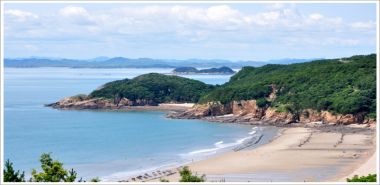
Central Hokkaido is the easiest introduction for many travelers. Sapporo provides urban museums, markets and food, while Otaru, Niseko, Lake Shikotsu, Lake Toya and Noboribetsu make possible contrasting side trips. The north shifts toward broad agricultural landscapes around Furano and Biei, the mountain scenery of Daisetsuzan, and the ferry-linked islands of Rishiri and Rebun. In the south, Hakodate’s port history and night views sit alongside Matsumae’s castle-town heritage. The east offers a different rhythm: Shiretoko’s volcanic peninsula, the drift-ice coast around Abashiri and Monbetsu, the Kushiro wetlands, and the lakes and hot-spring areas around Akan and Mashu.
Outdoor activities change with the calendar. Green-season visits can mean hiking, cycling, lake and coast excursions, flower viewing or time in hot-spring towns; winter brings snow sports and, on the Sea of Okhotsk coast, the possibility of seasonal drift ice. Neither weather nor natural events follow a fixed tourist timetable. Check local operators and official park notices, allow time for travel between regions, and do not approach wild animals or leave marked routes.
Food and the character of place
Hokkaido’s food reflects its coasts, farms and cities. Seafood such as crab, scallop, sea urchin and salmon appears alongside dairy products and seasonal produce. Sapporo is associated with miso ramen and soup curry; grilled lamb known as jingisukan is another regional specialty. These are not a single island-wide menu: local dishes and ingredients differ from one coast and town to another. A meal at a market or neighborhood restaurant can be a useful way to understand the region, but seasonal catches and menus change.
Getting there and planning the distances
New Chitose Airport is the main air gateway for Sapporo and central Hokkaido. The official tourism site lists the JR Rapid Airport train to Sapporo Station at about 33–40 minutes; actual service and journey times should be checked with JR Hokkaido before travel. Domestic flights also serve other Hokkaido airports, while ferries connect the mainland and several outlying islands. The Hokkaido Shinkansen currently links the island through Shin-Hakodate-Hokuto, not Sapporo.
Within Hokkaido, rail, buses, rental cars, ferries and domestic flights serve different routes; no single mode makes every region equally easy to reach. Distances that look short on a national map can take much of a day by road or rail, and remote services may be infrequent. Choose a few neighboring areas rather than trying to cross the island in a rushed itinerary. Check the current timetable, road and weather notices, ferry schedules, and seasonal opening information directly with the operator. The official HOKKAIDO LOVE! video library and its English transport guide are useful starting points for planning, not substitutes for current service notices.
Official video
The Hokkaido Tourism Organization’s official “HOKKAIDO, THE ISLANDS OF ADVENTURE” video offers a visual introduction to the island’s landscapes and outdoor experiences. For current regional transport planning, consult the official Hokkaido transport guide.