Gili Islands, Indonesia: choosing between Trawangan, Meno and Air
Three islands off northwest Lombok
The name “Gili Islands” most often refers to Gili Trawangan, Gili Meno and Gili Air, three small islands off Lombok’s northwest coast in West Nusa Tenggara, Indonesia. Together they are also known as Gili Matra. They sit across the water from the mainland and are reached by boat, not by road. The group’s compact scale makes the sea central to both daily transport and the visitor experience.
Each island has a different rhythm. Indonesia’s official tourism service describes Trawangan as the largest and most developed, with a greater concentration of accommodation, restaurants and visitor activities. Meno is smaller and generally quieter, while Air occupies a middle ground in size and facilities. These are useful broad distinctions, not guarantees about a particular hotel or season; check the location and services of your accommodation before choosing an island.
Indonesian tourism material often explains “Gili” as island in the local Sasak language, but the name is used for many small islands in the region. When booking, specify Trawangan, Meno or Air rather than relying on the shared label.
Reefs, wildlife and a protected seascape
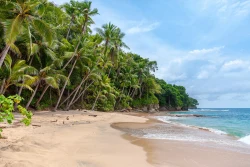
The islands’ main draw is the surrounding sea: beaches, coral habitats and opportunities for snorkeling and scuba diving. Indonesia’s tourism ministry identifies the three islands as part of the Gili Matra marine conservation area, established by Ministerial Decree No. 34 of 2022. That legal designation places the waters within a managed conservation framework; it is not a promise that every reef is pristine or that wildlife will appear on every trip.
The International Maritime Organization added another layer of recognition in October 2024, when it designated the Nusa Penida and Gili Matra islands in Lombok Strait as a Particularly Sensitive Sea Area under Resolution MEPC.396(82). The IMO describes the designation in relation to ecological and socio-economic value and vulnerability to international shipping. It should not be mistaken for a visitor ticket, a blanket beach closure or a substitute for Indonesian conservation rules.
Snorkeling trips may visit sites around more than one island, and operators commonly advertise encounters with coral and marine life. Conditions depend on visibility, currents, tide, weather and the exact location. Do not touch or stand on coral, chase turtles or feed wildlife; use reef-conscious sunscreen where available and follow the guide’s instructions. If the sea is rough or you are not a confident swimmer, choose a safer activity rather than treating a tour description as a guarantee.
Scuba diving is a significant part of the visitor economy, particularly on Trawangan, where official tourism sources note a concentration of dive facilities. Choose an established operator, be candid about your experience and medical fitness, and confirm what a course or excursion includes before paying. Certification, equipment, boat transfers and conditions differ between providers. A beginner session is not the same as a certified dive, and no visitor should enter the water beyond their training or the operator’s safety limits.
From shore, the view can hide the reef’s sensitivity. Boat landings and swimmer routes may overlap, so look before entering and leave vessels room to manoeuvre. Carry reusable water and take rubbish back to shore. Conservation designations provide a public framework; everyday care also depends on operators and visitors.
Getting there and moving around
Most visitors travel from Lombok by public boat or fast boat. Official tourism guidance identifies Bangsal and Teluk Nare among departure points, while routes and journey times depend on the service chosen. Bali is another origin for some fast boats, but a crossing from Bali is not the same as a short local transfer. Check the departure port, luggage terms, weather policy and arrival island on the ticket, rather than assuming every boat serves all three Gilis.
There is no bridge or ordinary road connection between the islands and Lombok, so the boat is essential. Schedules and fares are commercial and can change with season, sea conditions and operator. Confirm return service before setting out, especially if connecting to an international flight or another ferry. Build in a buffer for the mainland transfer and avoid buying a tight connection based on an old timetable or an estimated crossing time.
On the islands, Indonesia’s tourism information describes bicycles, walking and cidomo—horse-drawn carts—as common alternatives to motor vehicles. The visitor should not expect the same transport network as a city: luggage may need to be carried or transferred across sand, and distances that look short can be uncomfortable in heat. Ask your accommodation how guests reach it from the landing point and what arrangements are available for heavy bags or late arrivals.
Transport between Trawangan, Meno and Air is by boat. Public and private options may operate, but departure times and availability are not a single fixed schedule for every day. Confirm where to board, which island the boat serves and the last practical return with the operator. Keep weather in mind: a planned island-hopping loop can become difficult if wind or sea conditions change, so leave flexibility rather than treating all stops as guaranteed.
Choosing a stay and travelling thoughtfully
Trawangan usually suits travellers seeking the broadest choice of restaurants, accommodation and organized activities; Meno is often selected for a quieter stay; Air can offer a balance of services and a smaller-island feel. These descriptions come from official tourism profiles and are relative, not a promise of silence or nightlife. Read recent accommodation details, identify its side of the island, and ask about noise, boat access, accessibility and essential services before booking.
There is no single visitor opening time for the three-island group. Beaches, walking routes, operators and conservation activities have different arrangements, and some services depend on conditions. Plan water activities during daylight, check local advice and do not enter restricted areas. If you need medication, reliable connectivity or a particular facility, confirm it before choosing a smaller island; do not assume that services available on Trawangan are equally available on Meno or Air.
A useful first visit is to choose one island as a base rather than trying to rush through all three. A boat trip can introduce their different shorelines, but leave time to understand the island where you sleep. Carry cash only as needed, protect valuables from water, and use a dry bag for ferry transfers. For divers, verify the operator’s credentials and safety procedures; for snorkelers, use flotation support if needed and stay within your comfort level.
The Gilis are memorable not because each island is interchangeable, but because their differences sit within one connected marine landscape. Trawangan has the largest service hub, Meno a quieter scale, and Air its own balance of village and visitor facilities. Check current boat arrangements, follow conservation guidance and let the sea set the day’s limits. A thoughtful stay supports local businesses while reducing pressure on the reefs and wildlife that make the islands worth visiting.