Galatasaray Island in Istanbul: history and what visitors should know
A small island with a complicated visitor status
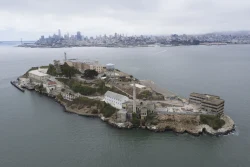
Galatasaray Island, also known as Kuruçeşme Island and Sarkis Balyan Island, is a small rocky islet just off Istanbul’s European Bosphorus shore. Its position opposite Kuruçeşme gives it an unusual perspective on the strait, but it is not an ordinary public park or a stop with a published tourist ferry timetable. The island is owned and operated by Galatasaray Sports Club, and access is managed by the club.
That distinction matters when planning a trip. Club sources describe the island as a social facility for members and their guests, with selected events and services opening in phases. They do not provide a general public visiting schedule, walk-up ticket policy or regular ferry service for independent tourists. A club event held there in September 2025 confirms that the site has continued to host organised functions, not that it is open for unrestricted sightseeing. Contact the club or event organiser before making plans.
From rocky outcrop to Sarkis Balyan’s residence
Istanbul Metropolitan Municipality’s cultural history account traces the island’s modern story to the Ottoman Armenian architect Sarkis Balyan, known for major works across Istanbul. Sultan Abdülaziz granted him the Kuruçeşme islet in the late nineteenth century in connection with work and unpaid claims. Balyan considered industrial uses, including a small factory and storage, but the palace rejected those plans over concerns about pollution of the shore and sea.
Balyan instead joined and reinforced two rocky outcrops with a breakwater, building a small residence on one end and service structures on the other. The municipal account says that by 1881 the place was known as Sarkis Balyan Island. He lived there, apart from periods of exile, and opened the house to artists, writers and scientists. The Russian painter Ivan Aivazovsky is among the cultural figures recorded as having stayed there. This history gives the tiny island a role beyond its later association with sport and nightlife.
From private retreat to a Bosphorus working site
After Balyan’s death, the island passed through several uses and owners. The municipal history says it stood unused between 1889 and 1902 and was later taken over by the state, then transferred to the Ottoman Navy in 1909. Plans for a naval post and clock tower did not proceed. In 1914, the maritime company Şirket-i Hayriye leased the islet; the ferry operator Şehir Hatları later used it for coal storage, supplying vessels that travelled the Bosphorus.
Balyan’s heirs recovered the property through a court decision in 1941 and used it for roughly sixteen years. After Galatasaray’s maritime club in Bebek was demolished, the sports club sought another base. Its leadership completed the acquisition in 1957 and converted the islet into a social facility. From then on, it became known as Galatasaray Island. The sequence—residence, proposed industrial site, coal depot and club property—reflects changing demands on the Bosphorus shoreline rather than one continuous commercial use.
What the club’s recent notices actually say
Galatasaray’s official statements show why older descriptions of a six-restaurant entertainment complex and free public ferry should not be relied on as current visitor guidance. In March 2022, the club said it had formally taken possession of the island and described parts of it as derelict and unsafe after demolition work in 2017 and a period without improvements. It restricted access pending renovation and directed movements to be controlled by the club’s board and secretariat.
Later club communications described a phased reopening for members rather than general public access. At a June 2024 meeting, the president said the island had been partially put into service for members over the previous two summers, but construction and permit work remained unfinished; he also described plans for additional restaurant and event areas. In September 2025, Galatasaray announced a uniform launch at the island and required media accreditation. These updates indicate continuing club use, but they do not establish public opening hours or a visitor admission offer.
How to understand the island from the waterfront
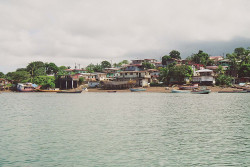
For most independent travellers, the reliable way to appreciate Galatasaray Island is to understand its setting from Istanbul’s European shore rather than attempt an unannounced crossing. The islet sits off Kuruçeşme, between the Bosphorus neighbourhoods of Arnavutköy and Bebek. Its low profile and connection to the club make it easy to mistake for a public attraction in photographs, especially when event images show restaurants, terraces or crowds. Those images describe a managed venue, not unrestricted access.
The shoreline around Kuruçeşme is part of a much larger Bosphorus landscape of historic waterfront houses, palaces, ferries and neighbourhood promenades. A visitor can plan a public walk along the shore and view the islet across the water, but should not infer a public pier, water taxi or viewing platform from the island’s location. The club’s notices control arrival and departure to the property; no current public timetable was found in its visitor information. Check directly with Galatasaray if you have an invitation or membership.
A historical landmark, not a guaranteed tourist stop
Galatasaray Island has a compelling story: Sarkis Balyan’s residence and artistic circle, the coal-supply role of the Bosphorus ferry network, and its transformation into a club facility in 1957. Its position also makes it an emblem of the relationship between Istanbul and the strait. Yet its historical interest should not be confused with a promise that the public can enter. Current use is linked to club membership, events and ongoing management rather than a standard sightseeing service.
Before setting out, seek a current answer from Galatasaray Sports Club about eligibility, transport, hours and any event access. Do not assume that old web pages advertising restaurants, swimming pools or complimentary boats remain valid, and do not approach restricted property or attempt to board an unauthorised craft. Even viewed from the opposite shore, the island rewards attention: its outline marks a place that has served as a home, a maritime utility site and a social venue while Istanbul’s waterfront continually changed around it.