Corsica travel guide: mountain roads, coastal towns and island history
An island best planned by region, not by mileage
Corsica looks compact on a map, yet its mountainous interior changes how a journey feels. A drive between nearby-looking places can involve slow, winding roads rather than a quick coastal hop. Plan around realistic journey times and a few regional bases instead of trying to cross the island every day.
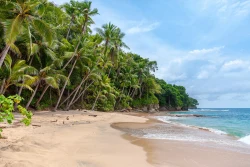
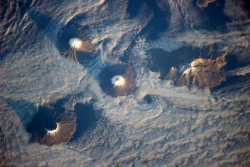
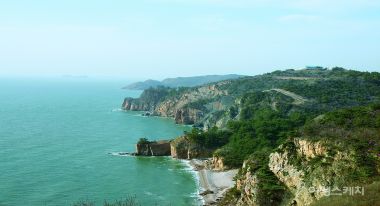
The island belongs to France and sits in the Mediterranean between the French mainland and Italy, just north of Sardinia. Its contrasts are close together but not interchangeable: harbours and citadels face the sea, chestnut-covered inland slopes lead toward high ridges, and the south opens onto limestone cliffs and coves. Aerial views compress these landscapes into one frame; on the ground, each change of terrain reshapes the route, weather and pace of a visit.
Ajaccio, Bastia and Corte reveal different Corsicas
Ajaccio, the administrative capital, is a natural first stop for visitors interested in Napoleon Bonaparte, who was born there on 15 August 1769. The Maison Bonaparte and the city’s museums connect a personal biography with the island’s complicated place in French and Mediterranean history. The point is not to reduce Corsica to Napoleon: the old streets, harbour and nearby coastal landscapes show a city with its own island rhythms as well as an imperial past.
On the northeast coast, Bastia’s old port, citadel and churches make a different introduction. The Museum of Bastia traces the Genoese foundation of the city to the early 1380s and offers a longer historical perspective inside the former Governors’ Palace. As listed on 5 October 2026, its October–April hours are 9 a.m.–noon and 2–5 p.m.; it closes Sundays and Mondays, and general admission is €5. Hours and prices can change, so confirm before visiting. Inland, Corte is associated with Pasquale Paoli’s eighteenth-century government and the island’s period of self-rule. Bonifacio, perched above the strait facing Sardinia, brings the story back to the sea. Pick towns that fit your interests rather than collecting them as quick photo stops.
A past shaped by Genoa, Paoli and France
For centuries Corsica was contested and governed by outside powers, especially Genoa. In the eighteenth century, resistance developed into a political project under Pasquale Paoli, who led the island from 1755 and established a Corsican constitution. The Corsica Museum presents this period as an attempt to build institutions and self-government, not merely as a sequence of battles. Corte and villages linked to Paoli offer ways to encounter that history beyond a textbook summary.
In 1768, Genoa and France signed the Treaty of Versailles, which provisionally transferred the administration of Corsica to France; Corsicans were excluded from the negotiation. The following year, French forces defeated Paoli’s troops at Ponte Novu, and Paoli went into exile. Napoleon’s birth in Ajaccio in 1769 came in this unsettled moment. These dates explain why the island’s identity cannot be described as simply French or Italian: language, place names, architecture, food and local memory reflect overlapping histories. Museums and heritage sites add context, but present-day island life is not a reenactment of the eighteenth century.
Choose a walk to match your experience
The GR20 is the island’s best-known long-distance route, crossing the mountainous interior from Calenzana toward Conca. Corsica’s official tourism material describes it as roughly 180 kilometres and an itinerary of about sixteen days, with long daily walking and demanding alpine terrain. It is aimed at experienced, fit hikers, not casual day-trippers. Exposure, elevation changes and technical sections make a realistic assessment of ability essential; a spectacular reputation is not a substitute for preparation.
Travellers who want to discover villages and local landscapes at a gentler pace can consider sections of Mare a Mare or Mare e Monti, whose routes connect the interior and coast. The island’s tourism service also presents the GT20 as a north–south cycling itinerary; its official planning guide divides the route into 12 stages and stresses that substantial climbs affect daily distances. Check current route guidance before committing. For any mountain outing, consult weather and trail conditions, reserve refuges where required, carry water and suitable equipment, and do not assume that summer guarantees safe high-altitude weather.
Getting around: ferries, flights, rail and winding roads
Corsica is reached by air and sea, with transport links connecting the island to the French mainland and Italy. Routes and frequency vary by season, so compare the current ferry and flight schedules before choosing an arrival port or airport. If you are planning a one-way island crossing, make sure your arrival, car hire and first night align: connections can be less frequent outside the busiest months, and a missed link may add substantial time.
The Corsican railway offers a memorable way to travel between Ajaccio, Corte, Bastia and some mountain villages, with the Ajaccio–Corte section climbing into the interior. It is useful for selected journeys, not a network that reaches every beach or small town; check current timetables before building a day around it. Driving gives more flexibility but rewards a patient pace. On winding roads, a trip that looks short on a map can take longer than expected. Avoid stacking too many stops into one day.
Make room for the island’s slower rhythm
Spring and early autumn can suit visitors seeking cooler walking conditions and less pressure on roads than the height of summer, although mountain weather remains changeable. Summer brings beach life and fuller transport, while winter changes what is available in the high country. Seasonal businesses, boat trips, mountain refuges and local transport may keep different schedules; verify details with the operator or local tourism office close to your dates instead of relying on a static guide.
A satisfying Corsica itinerary balances a town, a landscape and time for the journey between them. Spend a morning in Ajaccio or Bastia, leave room for a village market or museum, then choose one coastal or mountain outing rather than racing across the island. Respect trail closures, protected habitats and local guidance, especially in dry or windy conditions. Corsica’s appeal lies in the way its histories and environments meet; the trip becomes richer when the plan lets that variety unfold at the pace of the place.