Cephalonia, Greece: villages, caves and the landscapes of the Ionian island
An Ionian island best explored in sections
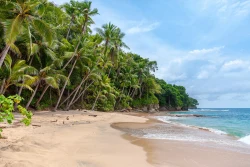
Cephalonia, also known as Kefalonia, is the largest island in the Ionian Sea. Its scale is part of the experience: combining the capital, mountain scenery, villages and distant beaches in one short day means spending too much time in transit. Argostoli is the active capital, while Lixouri, Fiskardo and Assos each offer a different sense of place. The Greek National Tourism Organisation describes an island of green slopes, caves, beaches and settlements rather than a single resort strip. Choosing one area at a time makes the geography easier to appreciate and leaves room for an unplanned stop.
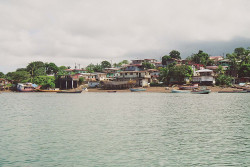
Argostoli is a natural starting point because it is the island’s capital and a centre of everyday activity. Lixouri, on the Paliki peninsula, is noted for traditional architecture; Fiskardo is a harbour village that retained older buildings after the destructive 1953 earthquake; and Assos is a small fishing settlement beside a Venetian castle. Their locations across a large island make travel time important. Check routes before setting out, especially if you plan to return after dark.
History visible in settlements and recovery
The 1953 earthquake is an important point in Cephalonia’s modern history. The tourism organisation notes that Fiskardo was among the few places to escape the catastrophe and preserve much of its older appearance. That survival helps explain the village’s architectural character, but not the whole island’s past. Other communities were rebuilt, and the contrast between old fabric and later construction remains visible. Local museums and monuments can add context; opening days and access vary, so consult current municipal or cultural listings.
Assos offers a different historical setting. The official guide describes it as a quiet fishing village with a Venetian castle, in a landscape where the approach is part of the visit. The castle reflects the island’s layered political past, but “Venetian” does not summarize every phase of local history. The village is small, with narrow streets and steep terrain. If mobility or heat is a concern, plan breaks and check conditions before walking uphill to viewpoints or the fortress area.
Mount Ainos, Robola and the island’s ecology
Cephalonia’s interior is more than a backdrop to its coastline. On Mount Ainos, the endemic Cephalonian fir grows at higher elevations, while vineyards on the slopes produce Robola, a well-known local white wine. Pine, cypress and olive trees add to the green landscape. The tourism guide notes loggerhead turtles and Mediterranean monk seals in surrounding waters. Observe wildlife from a respectful distance, avoid disturbing nesting areas or marine animals, and follow local conservation notices. Mountain habitat and marine life give the island an ecological dimension beyond its scenery.
Robola is closely associated with Cephalonia, but a visit to a winery or vineyard should be planned through current producer information rather than assumptions about opening hours. Harvest and tasting schedules are seasonal, and many producers require advance arrangements. Likewise, hiking on Mount Ainos calls for preparation: weather, visibility and trail conditions can change, and mountain conditions differ from those at the coast. Visitors should check park or local guidance for access and closures, carry water and suitable footwear, and avoid leaving marked paths. The island’s most rewarding landscape experiences often come from taking these practical details seriously rather than trying to fit every viewpoint into a single itinerary.
Melissani and Drogarati near Sami
The Municipality of Sami manages visitor information and tickets for two of Cephalonia’s best-known caves: Melissani and Drogarati. Melissani is a lake cave near Karavomylos, a short distance from Sami. The municipality says the roof collapsed around 1951, exposing the underground lake; Greek mythology associated the place with the Cave of the Nymphs. The mix of geology, water and myth is compelling, but the local authority’s description makes the distinction clear: the collapse is a physical event, while the nymph story belongs to mythology. Online ticketing is available through the municipality, which can help visitors plan ahead during busy periods.
Drogarati is another cave attraction near Sami. The municipality describes its main chamber as roughly 65 by 45 metres, around 20 metres high, and reached at a depth of about 60 metres; the cave is also noted for its acoustics. These figures and the physical setting help visitors understand why the interior feels different from Melissani’s water-filled chamber. The municipality’s ticket pages list adult admission at €10 for Melissani and €6 for Drogarati, with reduced prices for eligible visitors; at the time checked, an adult Melissani ticket also offered a discounted Drogarati ticket. Prices, eligibility and entry arrangements can change, so verify the live booking page before visiting.
Ferries and a realistic itinerary
Cephalonia is reached by sea from several ports, and Visit Greece lists routes that include Vasiliki on Lefkada to Fiskardo, Astakos to Sami and Agios Nikolaos on Zakynthos to Pessada. The published crossing durations are indicative, not a substitute for a ferry company’s live timetable. Services can be seasonal and affected by weather or operational changes; confirm departure port, vehicle rules, booking conditions and connections before travelling. Arriving at one port does not mean every other part of the island is nearby. A rental car can make dispersed villages and beaches easier to reach, while local transport options and their frequency should be checked against the precise dates of a visit.
For a short stay, group plans geographically: spend one day around Argostoli and the nearby coast, another around Sami and the caves, and reserve a separate journey for Fiskardo or Assos if time allows. This is a planning framework, not a fixed itinerary; ferry arrivals, weather and the season may change what is practical. Keep time for meals and ordinary village life instead of driving from landmark to landmark. Cephalonia’s distances reward a slower pace, and the contrast between its harbour towns, wooded mountain and cave interiors is easier to remember when each has room to breathe.
What to confirm before you go
Before departure, check the latest ferry schedule, cave opening notices and ticket prices with the relevant operator or Municipality of Sami. The municipality publishes online ticketing and contact details, while Visit Greece offers a broad island overview and example ferry routes. Neither should be treated as a real-time guarantee of road, weather or sea conditions. Cave opening hours change by season and may be adjusted for operational reasons. For hiking, beaches and wildlife, seek local notices and follow posted safety or conservation guidance. A little verification prevents a beautiful but avoidable disappointment, particularly when a day depends on a specific ferry or timed attraction.
Cephalonia is most rewarding when it is approached as a varied island rather than a single beach destination. Argostoli gives a sense of contemporary life; Fiskardo and Assos reveal different village histories; Mount Ainos and its endemic fir bring the interior into view; and Sami’s caves show how geology and local mythology meet. The island’s beaches remain a major draw, but they are only one part of its character. Plan fewer stops, confirm current access and allow the landscape to shape the day. That approach turns practical travel details into part of a richer encounter with the Ionian island.