About Caerleon Roman Fortress and Baths
A legionary city on the River Usk
Caerleon’s Roman remains are not a single monument but the surviving pieces of Isca, a fortified town built around a permanent military base in what is now south-east Wales. Cadw dates the fortress to about AD 75 and identifies it as the home of the Second Augustan Legion. The River Usk connected the settlement to the Severn estuary and the sea, while the military road network linked it to other Roman posts. The modern town grew over part of that landscape, so the archaeological visit unfolds through several separate locations rather than behind one entrance.
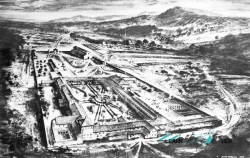
Isca was one of only three permanent legionary fortresses in Roman Britain, alongside bases at Chester and York. The legion remained at Caerleon for more than two centuries, although the military footprint changed over time and not every soldier was present at once. Fortresses were planned communities: barracks, stores, baths, a hospital and public buildings supported the garrison and its daily routines. The visible walls are only fragments of a much larger built environment, and their scale becomes clearer when the baths, amphitheatre and barrack remains are considered together.
The name Isca is associated with the nearby Usk, or Wysg in Welsh. Roman Caerleon also stood in a landscape inhabited by local communities whom Roman writers and modern historians describe through the name Silures. Rather than treating the fortress as a self-contained Roman island, it is more accurate to see it as a military centre built within a region of existing settlements, movement and resistance. The monuments show imperial planning, but they do not tell the whole story of local people who lived and worked around the base.
Bathhouse, barracks and the amphitheatre
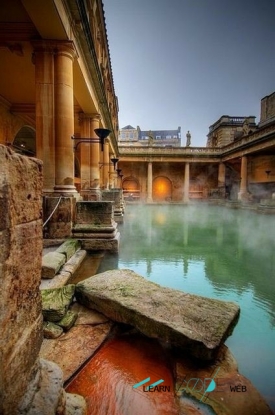
The Roman Baths Museum protects the remains of the fortress bathhouse beneath a modern covered building. One of its most striking features is the natatio, an open-air swimming pool whose scale is easier to grasp from the elevated walkway than from an old plan. Cadw describes heated changing rooms and hot and cold bathing spaces; projected images and sound help visitors picture the building in use without pretending the ruins are intact. The bathhouse was practical as well as social: bathing, exercise and conversation were part of the life of soldiers and other residents.
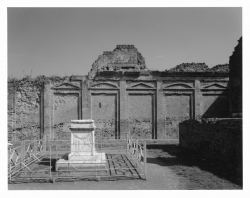
At Prysg Field, the barrack remains reveal a different rhythm of life. Cadw says the excavated first block retains original Roman masonry, while other outlines are stone replicas set at a higher level. A standard room pair was shared by eight soldiers: one small room held equipment, the larger one served for sleeping, and a centurion’s accommodation stood at the end of the block. The low walls make the cramped layout legible, but they are also a trip hazard; stay on the paths and remember that the reconstructed outlines are interpretive aids.
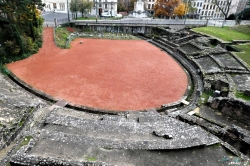
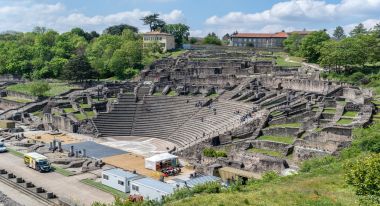
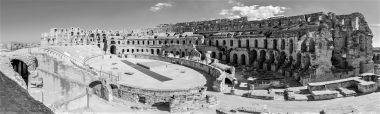
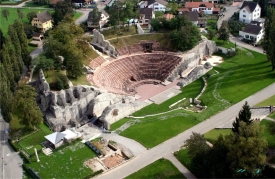
The amphitheatre, built around AD 90, is among Britain’s most complete Roman examples. Cadw estimates that its timber seating could accommodate as many as 6,000 spectators. It was a place for public spectacle and gathering, not simply a battlefield frozen in stone; the details of particular performances are not known from the surviving structure alone. The curved banks and arena are visible outdoors, where weather affects the ground. Together, the bathhouse, barracks and amphitheatre let visitors compare private routines, military discipline and public entertainment within one fortress town.
What excavation can—and cannot—reveal
Archaeology at Caerleon has taken place over generations, and the visitor route is itself part of that history. Excavation exposed sections of the bathhouse and barracks; conservation now protects fragile remains and makes selected areas understandable to the public. The Roman Baths site includes projections and interpretation that connect the surviving foundations to spaces that once held water, heat and movement. These displays are modern explanations, not ancient evidence. Reading them alongside the masonry helps separate what is physically preserved from the reconstruction required to tell a coherent story.
The National Roman Legion Museum, a separate institution run by Amgueddfa Cymru, adds portable finds and objects to the picture. Its galleries help explain soldiers’ equipment, religious practices and everyday life through artefacts recovered in the region. The museum is not the same as the Cadw bathhouse, and visiting one does not automatically mean that every monument or exhibition is included in a single ticket or open at the same time. Check the two organizations’ current information when building a combined itinerary.
Caerleon’s remains are also linked to later stories. The amphitheatre acquired a place in Arthurian legend, but Cadw notes that the association comes from medieval writing, not proof that King Arthur used the Roman arena. This distinction is part of the site’s appeal: a visitor can enjoy the legend while recognizing the difference between it and the archaeological date of the building. The strongest reading keeps Roman construction, medieval storytelling and modern conservation in view as separate chapters of the same landscape.
Autumn hours, tickets and planning your visit
Cadw lists the Roman Baths as open daily from 10 a.m. to 5 p.m., with last admission 30 minutes before closing. For 1 September 2026 through 31 March 2027, its adult admission is £5.80; reduced, family and concession prices are also listed, and children under five enter free. The amphitheatre is free: from 1 October through 28 February it is listed as open 10 a.m.–4 p.m., with last admission half an hour before closing. The barracks are free and open during reasonable daylight hours. Confirm the current listing before travelling, especially around holidays or poor weather, when access may be restricted.
The National Roman Legion Museum is another nearby stop, with free admission and published daily hours of 10 a.m.–5 p.m. Amgueddfa Cymru recommends booking a free day ticket to receive visitor updates; check its page for any ticketing requirements or temporary gallery changes. In October, the four sites can be combined on foot, but allow time between them and verify access conditions for each. Cadw lists both paid parking near the Baths and free parking options by the amphitheatre; public toilets are near the amphitheatre, and an accessible toilet is available at the museum.
Wear shoes with grip: wet grass, uneven stones and incomplete steps can make the outdoor remains slippery. The amphitheatre is unstaffed, and Cadw warns visitors to keep away from edges and not to climb walls. The baths have a level walkway but no toilets inside the monument. Dogs on short leads are welcome in outdoor areas, while assistance dogs only are allowed in the bathhouse. A thoughtful visit moves between the covered pool, low barrack walls and open arena, noticing how a legionary base depended on domestic routines as much as on military power.