ABOUT Munich Residence
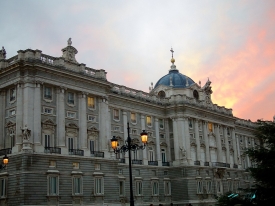
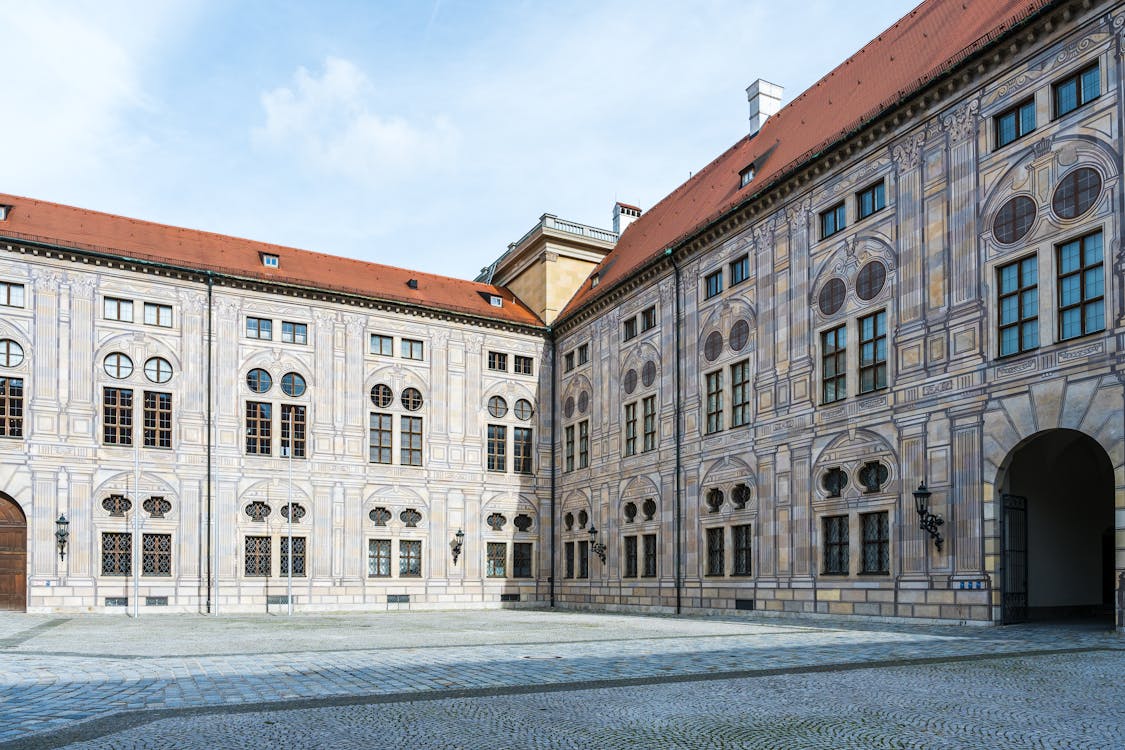
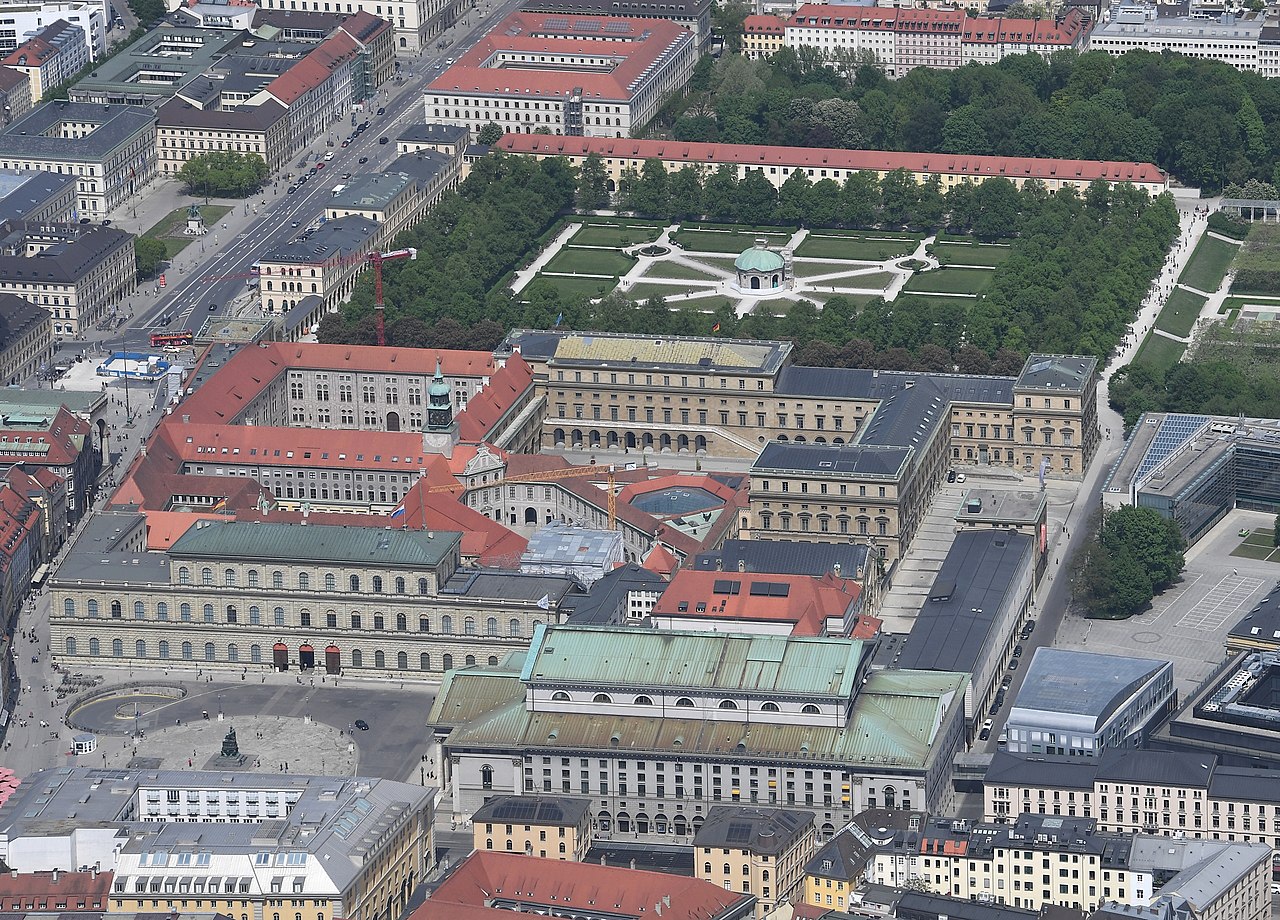
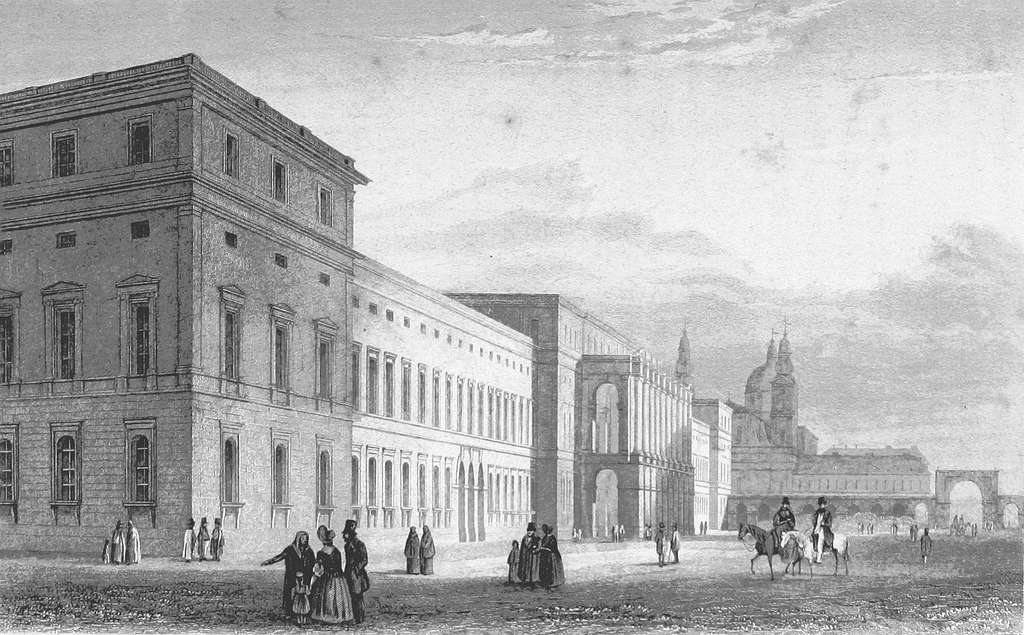
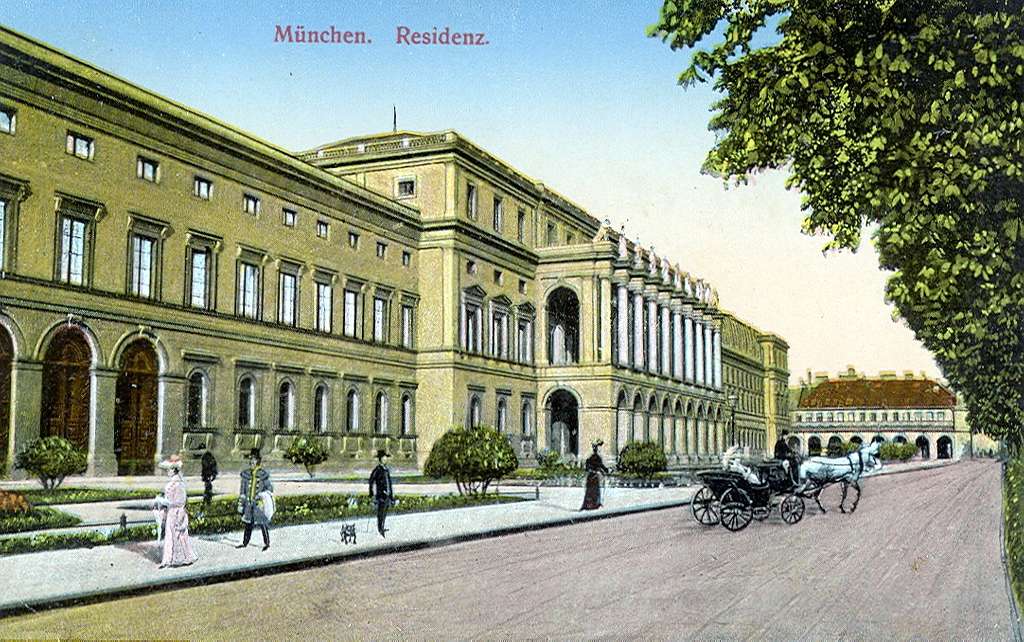
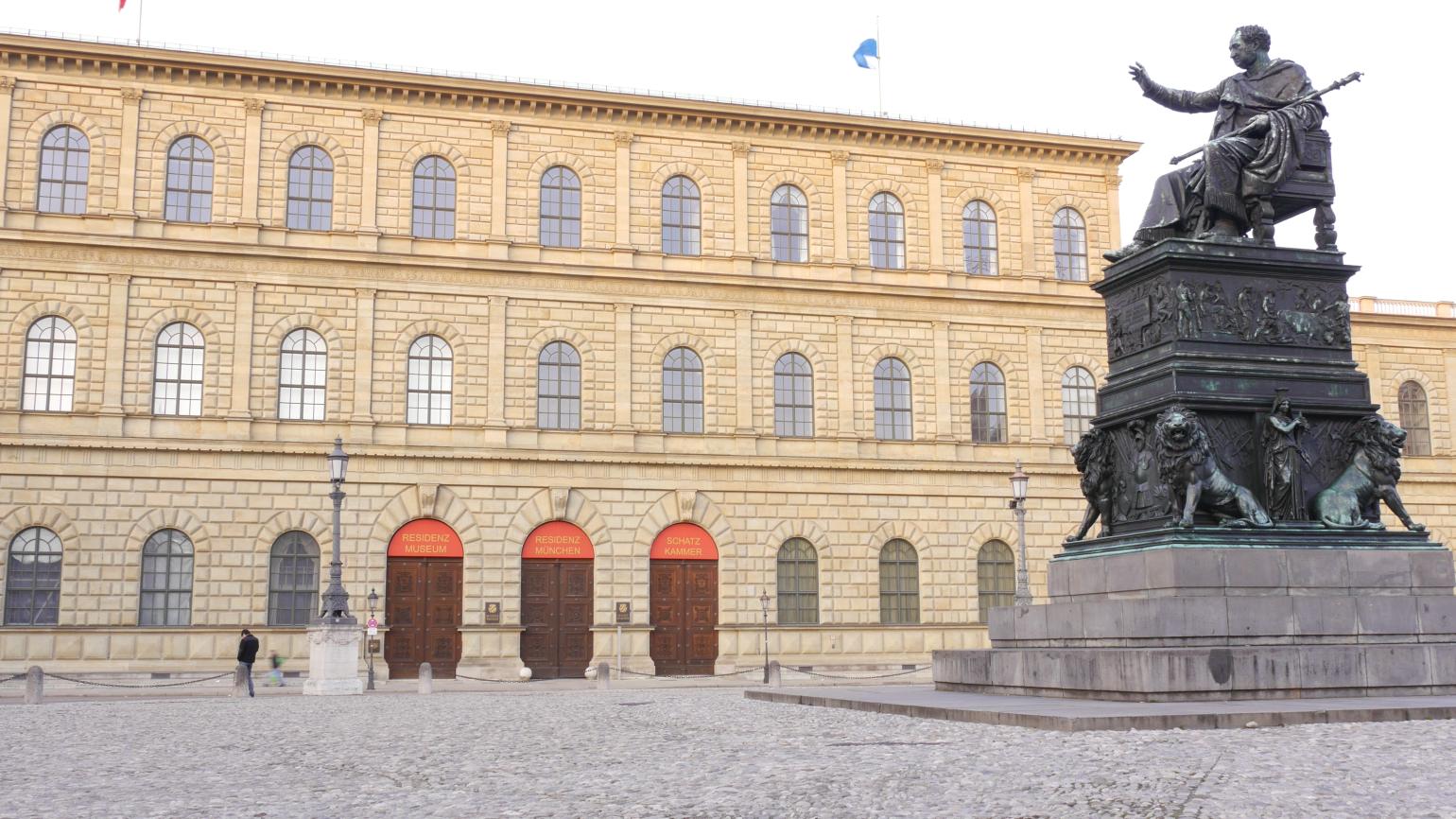
The Munich Residenz is one of the most remarkable landmarks in Bavaria and the largest city palace in Germany. Located in the heart of Munich, this former royal residence of the Wittelsbach dynasty now houses a museum featuring more than 150 exhibition rooms filled with history, art, and architectural beauty.
During the reign of King Ludwig I, citizens could visit parts of the Königsbau wing by appointment when the royal family was not in residence. The king saw these visits as an opportunity to share his vision of royal life with the public. Later, under Prince Regent Luitpold, even unused sections of the palace and the old treasury were opened to visitors. In 1897, the first official guide to the Residenz was published.
After the 1918 revolution and the end of the monarchy, the Residenz was officially converted into a public museum. At that time, visitors could access up to 157 rooms—an exhausting but impressive journey through Bavarian history. Today, more than 150 of these rooms are restored and open to the public.
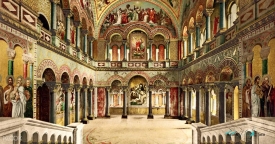
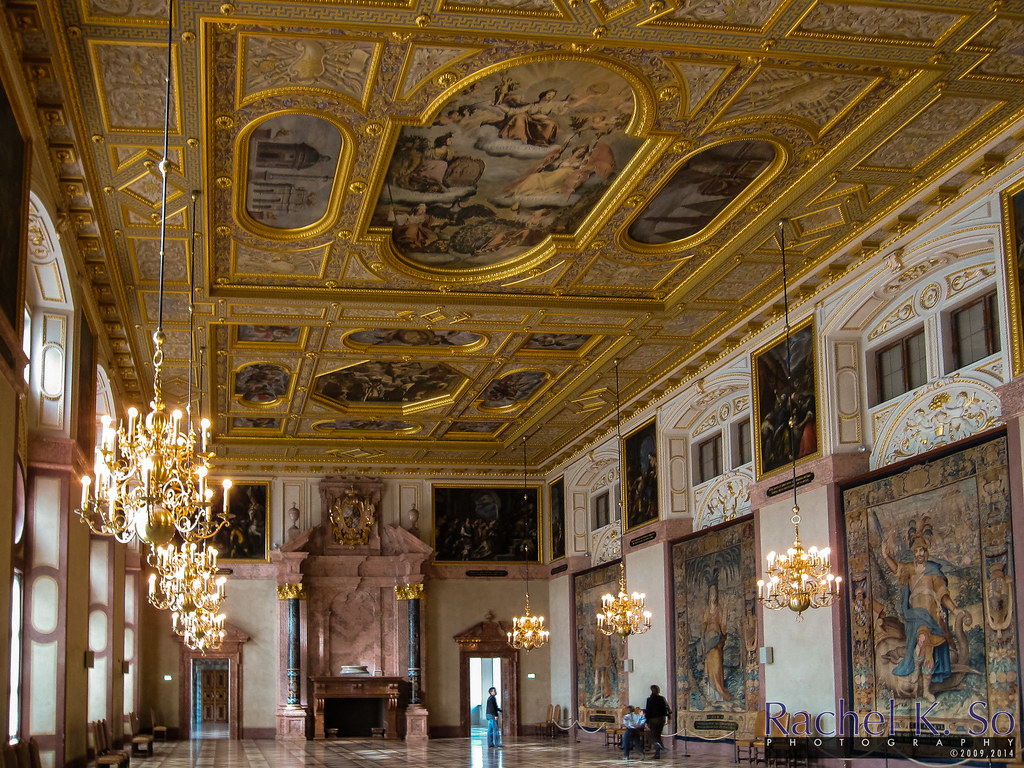
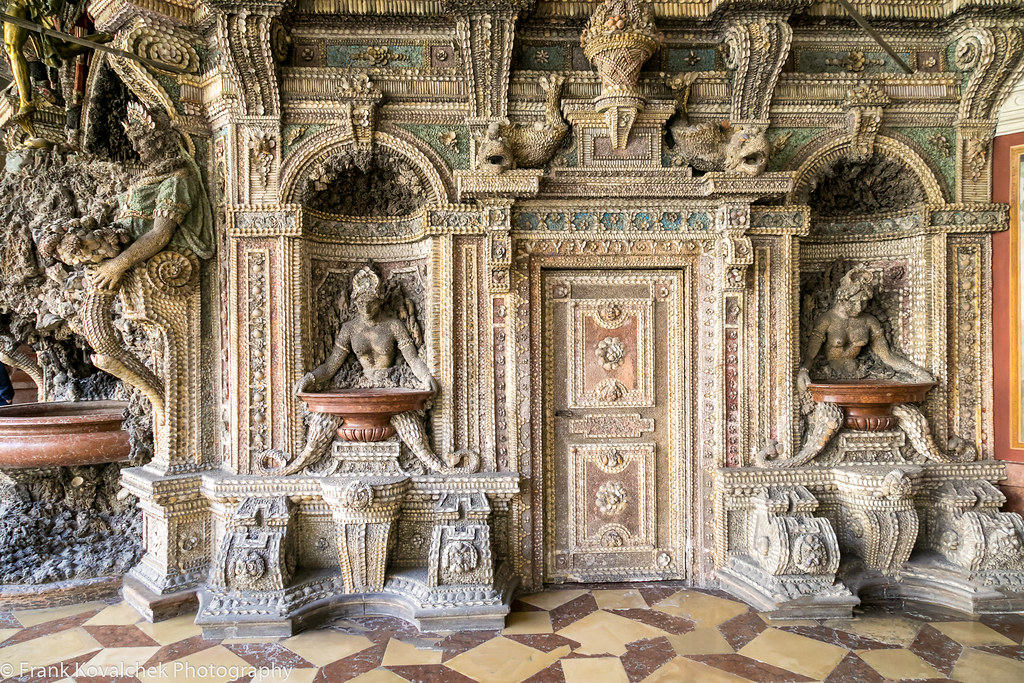
Antiquarium: The largest Renaissance hall north of the Alps, decorated with frescoes and designed originally to house antique sculptures.
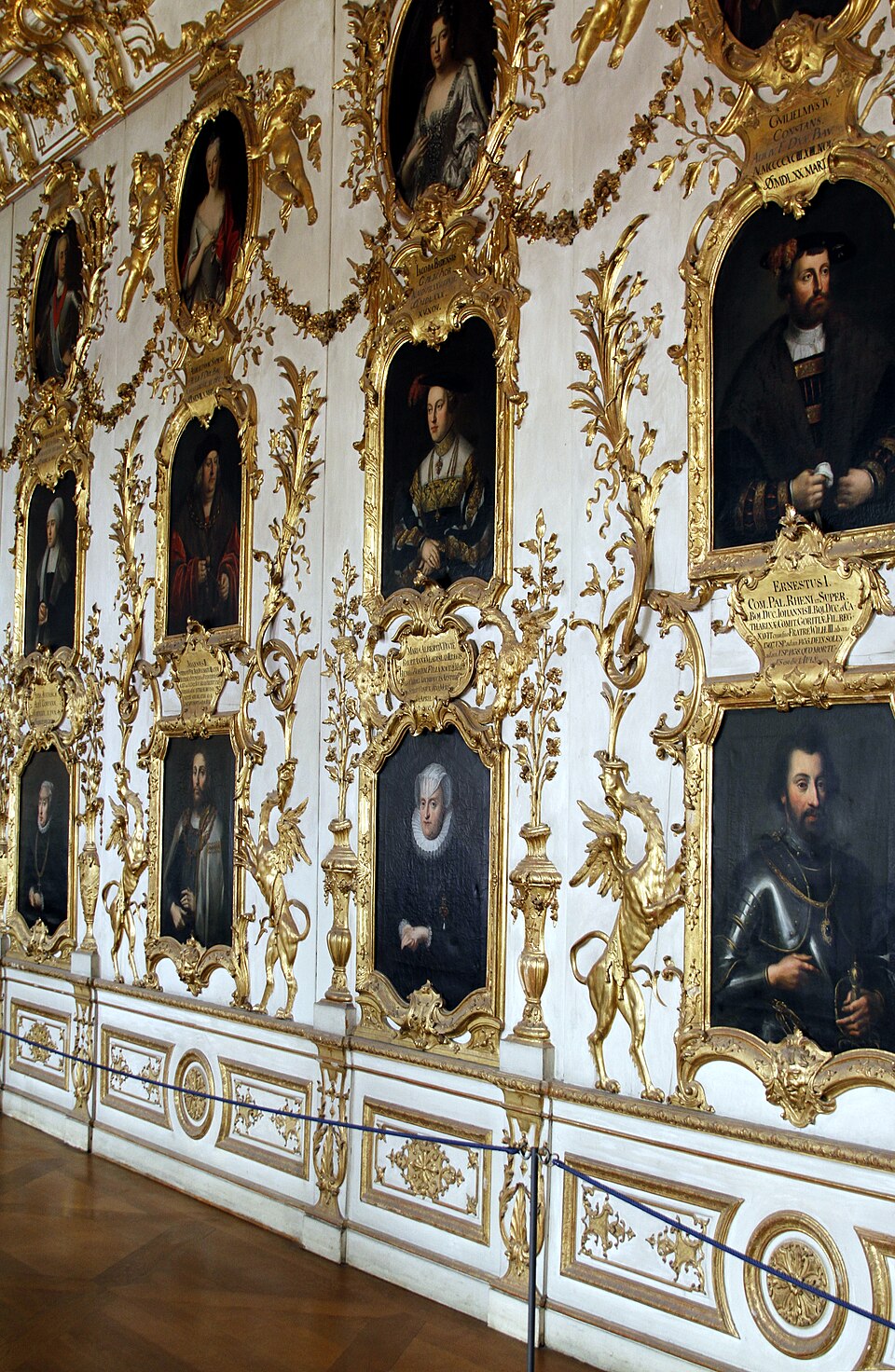
Ancestral Gallery: A series of portraits of the Wittelsbach family.
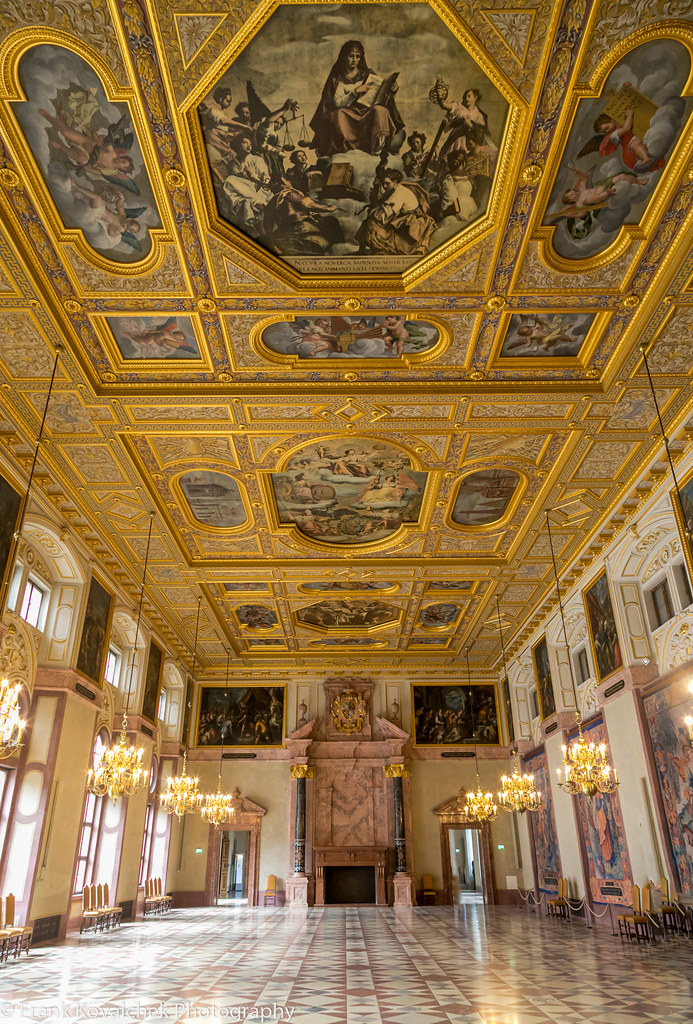
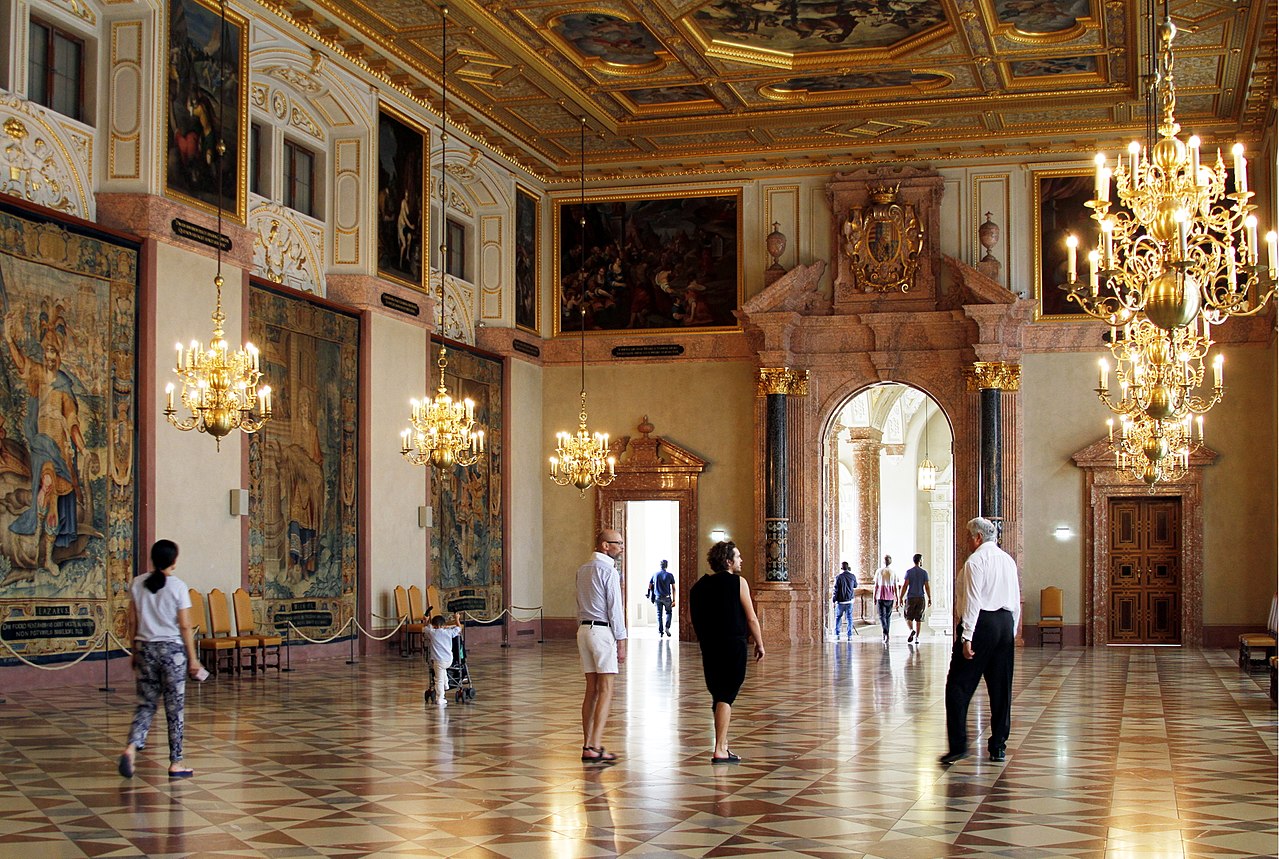
Imperial Apartments and Rich Rooms: Lavishly decorated rooms used for ceremonial functions and royal living.
Private Apartments of Ludwig I: Offering a glimpse into the personal tastes of one of Bavaria’s most romantic kings.
Porcelain Rooms: Featuring exquisite porcelain from across Europe and a remarkable East Asian collection.
Miniature Cabinet: Showcasing 129 miniature paintings of remarkable detail and artistry.
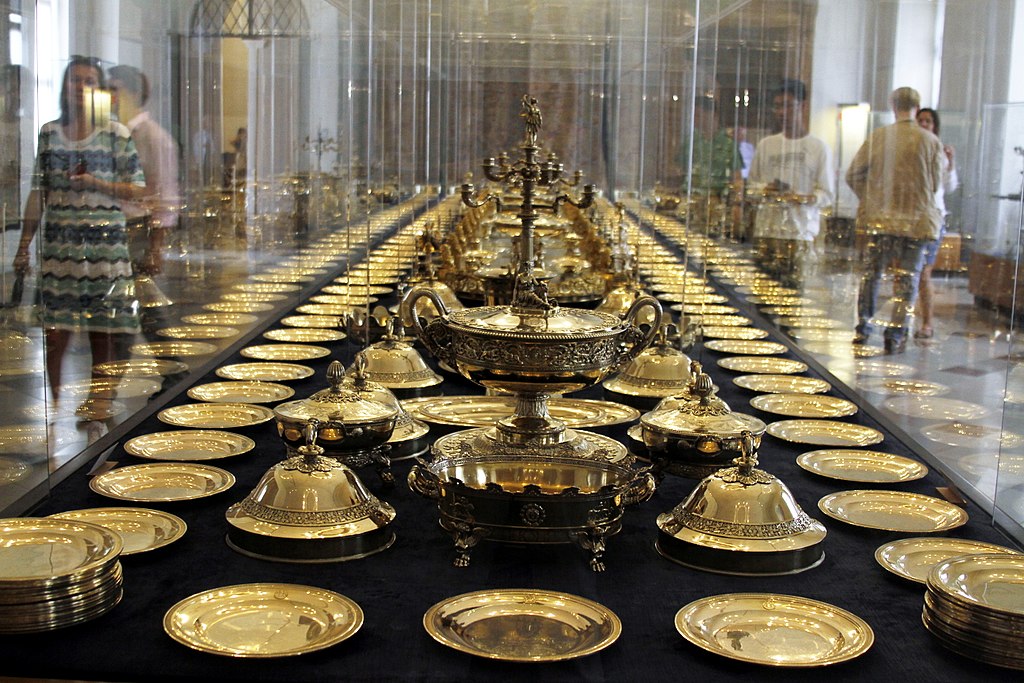
Chapel and Reliquary Chambers: Religious relics and royal silverware in dedicated spaces.
Bronze Collection: Displayed in the Festsaalbau, featuring Mannerist and early Baroque sculptures from the late 16th and early 17th centuries, including the original bronze lions from the entrance.
Address: Residenzstraße 1, 80333 Munich, Germany
Public Transport: U-Bahn or S-Bahn to Odeonsplatz or Marienplatz (both a short walk from the palace)
Opening Hours:
April to mid-October: 9:00 AM – 6:00 PM
Mid-October to March: 10:00 AM – 5:00 PM
Last entry: 1 hour before closing
Audioguides: Included with admission and highly recommended.
Photography: Allowed without flash; some areas may have restrictions.
Accessibility: Most parts of the museum are wheelchair accessible.
The Munich Residenz is more than just a museum—it is a living chronicle of Bavarian royalty and European artistic evolution. Its grand halls, intimate chambers, and priceless collections make it one of the most enriching cultural experiences in Germany. Whether you’re a history buff, an art lover, or simply curious, the Residenz is a must-see during any trip to Munich.
A Palace Built Over Centuries
Originally constructed in 1385 as a fortress known as the Neuveste, the Munich Residenz was transformed over the centuries into a vast and elegant complex by the dukes, electors, and kings of Bavaria. Its structure showcases a unique blend of Renaissance, Baroque, Rococo, and Neoclassical styles, reflecting the evolving tastes and ambitions of its royal residents.During the reign of King Ludwig I, citizens could visit parts of the Königsbau wing by appointment when the royal family was not in residence. The king saw these visits as an opportunity to share his vision of royal life with the public. Later, under Prince Regent Luitpold, even unused sections of the palace and the old treasury were opened to visitors. In 1897, the first official guide to the Residenz was published.
After the 1918 revolution and the end of the monarchy, the Residenz was officially converted into a public museum. At that time, visitors could access up to 157 rooms—an exhausting but impressive journey through Bavarian history. Today, more than 150 of these rooms are restored and open to the public.
What to See at the Munich Residenz
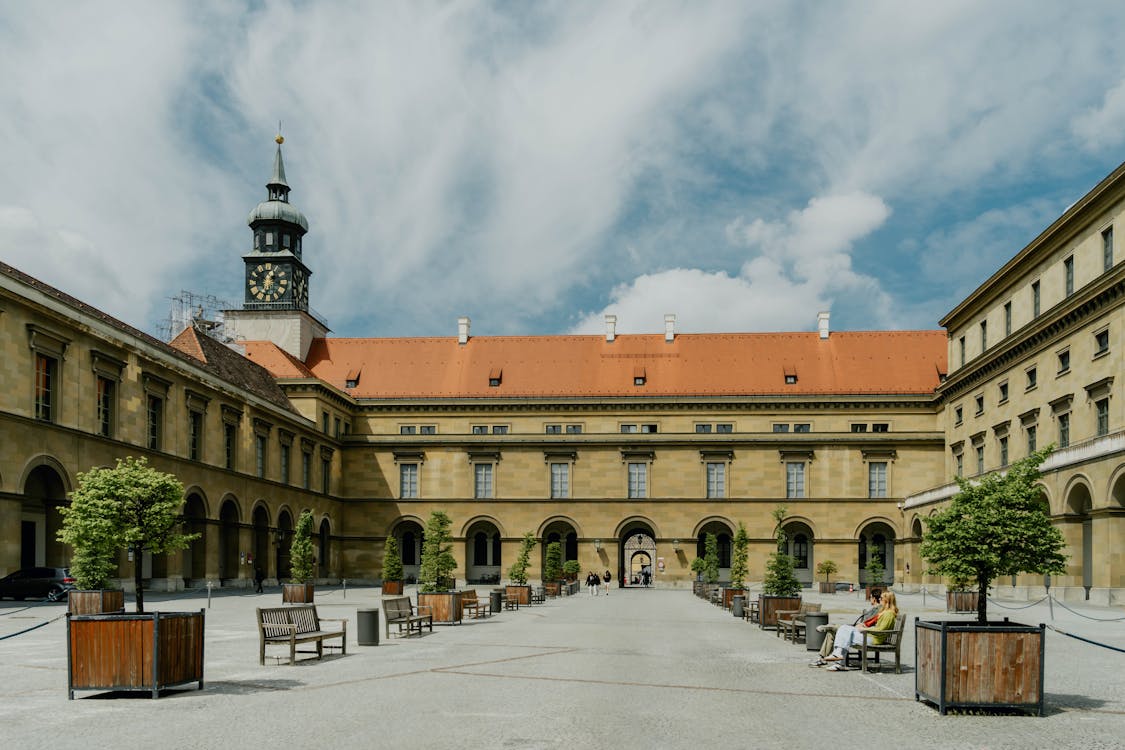
The Residenz Museum, accessible via the Königsbauhof courtyard, offers a rich and immersive experience. Audioguides are available in five languages, including English and Spanish. Highlights of the museum include:Antiquarium: The largest Renaissance hall north of the Alps, decorated with frescoes and designed originally to house antique sculptures.
Ancestral Gallery: A series of portraits of the Wittelsbach family.
Imperial Apartments and Rich Rooms: Lavishly decorated rooms used for ceremonial functions and royal living.
Private Apartments of Ludwig I: Offering a glimpse into the personal tastes of one of Bavaria’s most romantic kings.
Porcelain Rooms: Featuring exquisite porcelain from across Europe and a remarkable East Asian collection.
Miniature Cabinet: Showcasing 129 miniature paintings of remarkable detail and artistry.
Chapel and Reliquary Chambers: Religious relics and royal silverware in dedicated spaces.
Bronze Collection: Displayed in the Festsaalbau, featuring Mannerist and early Baroque sculptures from the late 16th and early 17th centuries, including the original bronze lions from the entrance.
Information for visitors to the palace
Address: Residenzstraße 1, 80333 Munich, Germany
Public Transport: U-Bahn or S-Bahn to Odeonsplatz or Marienplatz (both a short walk from the palace)
Opening Hours:
April to mid-October: 9:00 AM – 6:00 PM
Mid-October to March: 10:00 AM – 5:00 PM
Last entry: 1 hour before closing
Tips for Your Visit
Recommended visit duration: Allow 3 to 4 hours to explore comfortably.Audioguides: Included with admission and highly recommended.
Photography: Allowed without flash; some areas may have restrictions.
Accessibility: Most parts of the museum are wheelchair accessible.
The Munich Residenz is more than just a museum—it is a living chronicle of Bavarian royalty and European artistic evolution. Its grand halls, intimate chambers, and priceless collections make it one of the most enriching cultural experiences in Germany. Whether you’re a history buff, an art lover, or simply curious, the Residenz is a must-see during any trip to Munich.
The Best Pictures of Munich Residence
Videos of Munich Residence