Chapultepec Castle in Mexico City: history, museum highlights and visitor guide
A castle above Chapultepec Forest
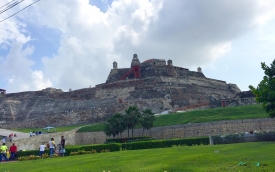
Chapultepec Castle stands on the highest point of Chapultepec Forest in Mexico City, surrounded by one of the capital’s most important urban parks. The site combines two experiences: an uphill approach through the park and a visit to the National Museum of History housed inside the castle. From the upper terraces, visitors can look over the tree canopy toward the city, but the building itself is the main subject. It has served as a country retreat, military school, imperial residence, presidential home and, since 1944, a museum devoted to Mexico’s history.
The address is within the First Section of Bosque de Chapultepec, in the Miguel Hidalgo borough. The National Institute of Anthropology and History (INAH) lists Chapultepec and Auditorio as the nearest Metro stations. Because the museum occupies a hilltop rather than a street-level entrance, allow time to walk through the park and follow the signs up to the castle. The museum’s official directions and notices should be checked before travel, particularly if mobility, weather or a timed connection affects the visit.
From a viceregal retreat to a public museum
Construction began in 1785 during the administration of Bernardo de Gálvez, viceroy of New Spain. The original purpose was a country house for rest, but the building’s role changed repeatedly as Mexico’s political history unfolded. It later housed the Military College and became associated with the 1847 Battle of Chapultepec during the United States–Mexico War. In the Second Mexican Empire, Emperor Maximilian and Empress Carlota made it their residence; after that period, it also served as a home for Mexican presidents.
In 1939, President Lázaro Cárdenas decreed that the castle should house the National Museum of History. The museum opened to the public on September 27, 1944, after the building was adapted for its new role. That conversion did not erase the earlier chapters. Instead, the museum presents the architecture and interiors as part of the historical record, while its collections follow national history from the Conquest and the formation of New Spain toward the Revolution of 1910 and the beginning of modern Mexico.
Two connected visits: the museum and the Alcázar
The museum is commonly understood through two broad areas. Galleries in the former Military College trace periods of Mexican history, with objects and displays that include paintings, sculpture, furniture, clothing, coins, musical instruments, silver, ceramics, flags, carriages and documents. The route offers more than a sequence of dates: visitors encounter material evidence of changing government, daily life, conflict and national identity. As galleries can be closed or reconfigured, check current notices if a particular room is central to your plans.
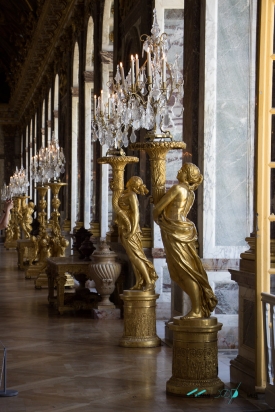
The Alcázar retains the more residential character of the castle. Its rooms evoke the lives of people who occupied the building, including the spaces associated with Maximilian and Carlota and later presidential residents. Period furnishings and decorative details give the historic rooms a different rhythm from the museum galleries. The museum’s official guide distinguishes the Alcázar from the historical exhibition halls, although both are part of the visit. Taking time to notice this shift helps explain why Chapultepec is not just a palace preserved in isolation: the building’s uses changed as power and public life changed around it.
Murals, rooms and objects to look for
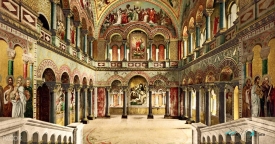
Murals are among the castle museum’s most striking features. The official visitor information highlights works by Jorge González Camarena, Juan O’Gorman, José Clemente Orozco and David Alfaro Siqueiros, including paintings that interpret the Conquest, Independence, the Reform period and the Revolution. These works turn walls and stairways into a second historical narrative, one created by twentieth-century artists looking back at earlier events. Rather than treating the murals as decoration, visitors can compare how each artist frames the past and which people or turning points receive attention.
The Alcázar’s rooms and the collection’s everyday objects offer another way to read history. A carriage, uniform, piece of furniture or document can make political change tangible in a way that a timeline alone cannot. The official museum information notes that the holdings encompass diverse object types and that the collections include permanent and temporary displays. Since not all objects are shown at once, use the floor plan and room signs to guide your visit, and avoid assuming that every image in an older guide reflects the current installation.
Hours, admission and planning the route
INAH currently lists the National Museum of History at Chapultepec Castle as open Tuesday through Sunday from 9 a.m. to 5 p.m.; it is closed on Mondays. The official visitor page publishes admission prices of 105 Mexican pesos for Mexican nationals and residents and 210 pesos for foreign visitors. It also lists free admission on Sundays for Mexican nationals and foreign residents of Mexico, along with exemptions for specified groups such as children under 13, students and teachers with valid credentials, older adults and people with disabilities. Check the current INAH page for the exact eligibility rules and any changes before visiting.
The same visitor information notes that professional cameras may incur an additional fee and that flash photography, food, smoking and pets are not allowed. The nearby Metro stations are Chapultepec and Auditorio, but the final approach is through the park and uphill to the castle. Allow time for security, the walk and the museum’s multiple levels; comfortable shoes are sensible in warm weather, and plan to hydrate before entering because food cannot be taken inside. Hours, access routes and ticket terms can change, so verify them with INAH on the day you plan to go.
Reading Mexico’s history through a changing building
Chapultepec Castle is most rewarding when visited as both a historic residence and a museum. Its elevated position and formal rooms can initially suggest a single royal story, yet the building has passed through viceregal, military, imperial, presidential and public uses. The museum places that architectural history beside objects and murals that tell broader national stories. Moving from the Alcázar’s domestic rooms to galleries about the Conquest, Independence and Revolution reveals how one site has been repeatedly reinterpreted.
Plan for more than a quick photograph from the terrace. Check the museum’s current hours and admission guidance, decide whether you want to spend more time in the Alcázar or the historical galleries, and leave room to pause before the murals. A visit will not cover every period of Mexican history, but it can show how the castle itself became part of that history. The strongest impression is the contrast between its hilltop setting and its succession of roles: a place built for retreat that now opens its rooms and collections to the public.