About Sikinos
Sikinos is a small Greek island and municipality located in the Cyclades, a group of islands in the Aegean Sea, positioned between the islands of Ios and Folegandros. With an area of approximately 42.5 square kilometers and a population of just over 250 inhabitants in recent years, it is one of the lesser-known and least developed islands in the region, offering a quiet contrast to more touristic destinations nearby.
Historically, Sikinos has roots that stretch back to ancient times, when it was known as Oenoe or Oinoe, a name associated with the cultivation of vineyards that once flourished on the island. According to Greek mythology, the island later took its name from Sikinos, the son of Thoas, a legendary king of Lemnos. Archaeological and historical evidence suggests that the island was inhabited since the Mycenaean period and later colonized by Ionians, becoming part of the wider cultural and political networks of the ancient Greek world.
During classical antiquity, Sikinos was integrated into the Athenian maritime empire and participated in the Delian League, contributing tribute to Athens. Like many Greek islands, it experienced the shifts of power that characterized the ancient Mediterranean, including submission to Persian forces during the Greco-Persian Wars and later incorporation into different Hellenistic and Roman spheres of influence. Remains of the ancient city can still be found on the island, situated in rugged mountainous terrain that reflects both its strategic location and the challenges of settlement.
One of the most significant historical landmarks on Sikinos is the structure known as Episkopi, originally an ancient temple dedicated to Pythian Apollo. Over time, this building was transformed into a Roman mausoleum and later converted into a Byzantine church, illustrating the continuous adaptation of sacred spaces throughout the island’s history. This monument remains a key example of the layered cultural heritage of Sikinos and has been the subject of modern archaeological restoration efforts, highlighting its importance within the Cycladic region.
The island’s settlement pattern today reflects both its historical development and geographical features. The main port, Alopronia, lies along the southern coast and serves as the primary point of entry, while the main town, known as Chora, is situated higher on the slopes. Chora itself is divided into two adjacent settlements, Kastro and Chorio, with Kastro representing a fortified medieval village built on the edge of a cliff, demonstrating the defensive architecture typical of the Cyclades during periods of instability.
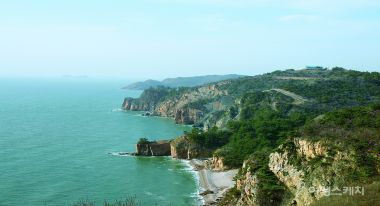
Sikinos is characterized by a rugged landscape, with mountainous terrain and terraced hillsides that were historically used for agriculture, particularly vine cultivation. Although much of this agricultural activity has declined, the terraces remain a defining feature of the island’s appearance, reflecting centuries of human adaptation to a challenging environment. The island’s terrain also contributes to its relative isolation, as access to many areas can be difficult, and infrastructure remains limited compared to more developed tourist destinations.
In modern times, Sikinos has maintained a reputation as a peaceful and relatively untouched destination. Unlike neighboring islands that have experienced intense tourism development, Sikinos offers a more traditional and tranquil environment, with small villages, limited commercial activity, and a slower pace of life. Visitors are often drawn to its natural beauty, including its beaches, walking paths, and scenic views of the Aegean Sea, as well as its preserved architectural and cultural heritage.
Despite its small size and population, Sikinos continues to embody a rich historical narrative that spans mythology, classical antiquity, and Byzantine influence. Its evolution from a vineyard-rich island of ancient Greece to a quiet modern community highlights both continuity and change, while its monuments and landscapes provide insight into the broader history of the Cyclades. Today, it stands as a place where history, tradition, and natural simplicity converge, offering a distinct perspective on Greek island life that remains closely connected to its past.