Lake Lugano: cross-border villages, boat routes and a visitor guide
A lake shared by two countries
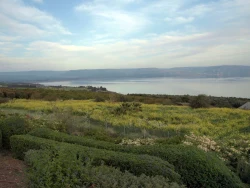
Lake Lugano, also called Ceresio, lies between southern Switzerland and northern Italy, with the city of Lugano on its northern shore. Its shape is not a simple oval: arms and inlets reach toward different towns, making the lake a route as well as a landscape. From the waterfront, wooded slopes rise close to the water, while villages and landing stages appear along the shore. That geography gives a boat trip a practical purpose too, linking places that are easy to combine by water with a day in the city.
The border is part of the lake’s character rather than a line that visitors need to study from a viewpoint. The official navigation network serves destinations around the Swiss basin and reaches Italian communities including Porto Ceresio. A journey may therefore cross an international boundary during an ordinary excursion. Check the route and the landing point before buying a ticket, especially if you intend to spend time ashore; transport schedules and the services available in each town are not identical.
Boats, villages and a seasonal timetable
The Società Navigazione del Lago di Lugano (SNL) operates passenger boats and publishes its routes, tickets and timetable online. The City of Lugano describes excursions that connect the city with places such as Gandria, Porlezza, Morcote, Capolago, Porto Ceresio and Ponte Tresa. These names represent different kinds of stops: some are small lakeside villages, while others work as gateways to walks, museums or nearby attractions. A boat can turn a collection of separate shore visits into one continuous outing.
Schedules are seasonal. On the SNL timetable page checked on October 5, 2026, the current boat schedule is valid from March 29 through October 18, 2026. Lugano’s visitor information says there are many excursion choices from April to October and that a limited service continues in winter. Those dates do not mean every route runs every day or at the same frequency. Confirm the specific departure, return connection, ticket conditions and any service notice on the operator’s site before setting out.
Beyond the waterfront: landscape and heritage
Lake Lugano is a useful starting point for seeing how the region joins water, hills and built settlements. A walk through a lakeside village offers a different scale from Lugano’s urban promenade, while a boat provides a changing view of wooded slopes and the bends of the shoreline. The municipal visitor page suggests combining cruises with visits to places such as the Customs Museum or Swissminiatur in Melide, or with walks on surrounding mountains. These are separate attractions, so check their own opening dates and transport connections.
On the southern side of the lake, Monte San Giorgio adds a much older story. UNESCO describes the wooded, pyramid-shaped mountain beside the lake as an exceptional record of marine and terrestrial life from the Triassic, around 245 to 230 million years ago. The World Heritage property was first inscribed in Switzerland and later extended across the border into Italy. A lake itinerary can therefore connect contemporary villages and transport with a protected fossil landscape; it is not necessary to treat the UNESCO site as a lakeside boat stop.
Planning a boat day
Start with the official SNL timetable and choose a route that leaves enough time at the destination. Popular options include trips toward Gandria, Morcote and Porto Ceresio, but connections vary by date and season. The operator also publishes tickets and special excursions online. Buying a ticket for one leg does not automatically guarantee a convenient return at the time you want, so read the schedule in both directions. If visiting an Italian landing, check what identification or border formalities apply to your circumstances with the relevant authorities.
Weather can affect the lake experience and navigation. The municipality notes that boat service continues in winter with limitations; reduced service should not be mistaken for a full summer schedule. On the day of travel, check operator alerts, the forecast and any event-specific changes. Allow time to reach the correct pier, as the city has several embarkation points, and keep a backup plan if a connection is missed. The lake’s appeal lies in moving slowly between distinct shores: leave room for a village walk, a meal or simply a longer look at the mountains reflected in the water.