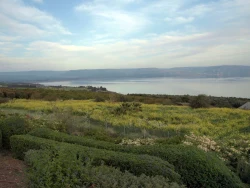
Lake Nakuru National Park: wildlife, flamingos and visitor guide
Lake Nakuru National Park packs lake shore, grassland, acacia woodland, rocky viewpoints and wildlife into a protected area on Kenya’s Great Rift Valley floor. The lake made the park famous for flamingos, but a visit should not be planned around a guaranteed mass of pink birds: water levels and feeding conditions change, and birds move among regional lakes. The more dependable reason to come is the combination of landscapes, birdlife and a major sanctuary for black and white rhinos. KWS’s current visitor pages also make this one of the easier parks to plan around Nakuru town—provided you check entry rules and current fees before setting out.
A wetland in a changing lake system
Lake Nakuru is a shallow, alkaline lake within the Great Rift Valley. The Kenya Wildlife Service describes a 188-square-kilometre park made up of more than open water: grasslands, acacia woodland, rocky escarpments and hills create connected habitats around the shore. KWS identifies the park as a birdwatching destination with about 450 recorded bird species, while its current profile highlights endangered black and white rhinos among the wildlife the protected area helps conserve.
The flamingos are spectacular when conditions bring them to the lake, but their numbers are not fixed. Lake Nakuru is part of the UNESCO-listed Kenya Lake System in the Great Rift Valley, a serial natural property that also includes Lake Bogoria and Lake Elementaita. UNESCO explains that lesser flamingos move among the three shallow alkaline lakes in response to seasonal and episodic environmental changes. The practical implication is simple: do not treat a particular bird count or a lake-edge carpet of flamingos as a promise for a specific date. The wider system, rather than one photo, explains the birds’ movements.
Lake Nakuru also has international wetland recognition. The Ramsar Convention’s information record identifies it as Site 476, designated on 5 June 1990, and describes the lake and surrounding habitats as an important wetland. UNESCO inscribed the broader Kenya Lake System on the World Heritage List in 2011 for its landscape and ecological processes. These designations refer to related but distinct protections: Ramsar recognizes the wetland site, while UNESCO’s serial property connects Nakuru to two other lakes. Together they help explain why conservation here reaches beyond the park gate.
How the park and rhino sanctuary took shape
KWS traces formal conservation at Nakuru to 1961, when the lake’s southern tip became a bird sanctuary. Protection expanded to the whole lake in 1964. In 1968 the lake and immediate shoreline, about 6,000 hectares, were gazetted as Lake Nakuru National Park. Additional land acquired in 1974 expanded the park to its present area of 188 square kilometres, bringing grassland, woodland, escarpments and hills into one conservation landscape.
The park’s conservation role broadened in the following decades. KWS says an electric perimeter fence was built in 1986 to strengthen protection and reduce human–wildlife conflict. In 1987 the park became Kenya’s first government-managed rhino sanctuary. Black and white rhinos are now central to its wildlife identity, alongside other mammals and a wide variety of birds. A safari here is therefore not only a search for a famous lake spectacle: it also takes place in a managed habitat where protecting threatened animals is a primary purpose.
For visitors, KWS highlights scenic viewpoints and picnic sites, Makalia Waterfalls, and the park’s wildlife as attractions. The shifting scenery—from open lakeshore to wooded and grassy areas and elevated viewpoints—makes a guided or self-driven game drive more varied than the old image of flamingos alone suggests. Wildlife is wild, sightings are never guaranteed, and patience matters. A quiet stop to scan a shoreline or the trees can be more rewarding than driving quickly from one named point to another.
Hours, fees and responsible game-drive advice
KWS currently states that park gates open at 6 a.m. and close at 6 p.m.; day visitors should leave before dusk, while overnight visitors follow their accommodation arrangements. The service lists entry fees by visitor category: East African citizens pay KES 1,500 per adult and KES 750 per child; Kenya residents KES 2,025 and KES 1,050; non-residents USD 90 and USD 45; African citizens USD 50 and USD 25. These are the current rates displayed by KWS when checked, but fees can change. Confirm the category definitions, price and accepted booking method on the official KWS/eCitizen page before travel.
Park rules are part of a safe visit. KWS instructs drivers to stay on established roads and trails, keep to a maximum speed of 40 kilometres per hour, remain at least 20 metres from wildlife and avoid feeding animals. Visitors should remain inside vehicles except in designated areas and follow staff directions. These restrictions protect both animals and people; a close photograph is not worth disturbing a rhino or blocking a road. Carry drinking water and basic sun protection, and make sure the vehicle has enough fuel for the planned route.
Lake Nakuru can work as a day trip from nearby Nakuru town or as a longer stop in a Rift Valley itinerary. KWS lists on-site accommodation, campsites and nearby privately run lodges; check what is open and reserve through the relevant operator if staying overnight. A practical plan is to enter near opening time, drive slowly, pause at viewpoints and water edges, and keep the exit time in mind. Check the KWS notices close to departure for gate conditions, activity availability and fees. The lake’s appeal lies in a living ecosystem that changes with the water and the season; arriving with that expectation makes the visit richer than chasing one postcard image.