Royal Château of Amboise: Leonardo da Vinci’s tomb and Loire views
A royal residence above the Loire
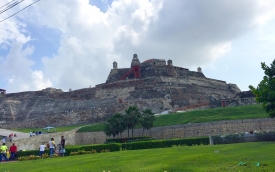
From the riverbank, the Royal Château of Amboise appears less like an isolated monument than a stone balcony built into the town’s skyline. Its position on a rocky outcrop explains both its commanding views and its long strategic value. The Loire curves below the terraces, while the historic center gathers at the foot of the walls. Its medieval defenses, royal rooms, gardens and chapel record different chapters of French history.
Amboise became one of the preferred residences of French kings during the Renaissance, when the court moved through the Loire Valley and royal households reshaped older fortresses into places of ceremony and daily life. The château’s official visitor guide presents the site as a former home of the French court. Its royal apartments include spaces associated with the Renaissance and a later nineteenth-century period of renewal. The rooms show how a fortified site adapted to changing ideas of power, comfort and display.
The setting gives that history a physical scale. From the ramparts, visitors look across the river and over landscapes recognized by UNESCO as part of the Loire Valley’s World Heritage listing. The view is especially useful for reading the château’s relationship with the town: the residence rises above streets that developed around it, rather than standing apart in a remote park. The panorama links the architecture to the river corridor that made this region a royal heartland.
Leonardo, the chapel and a persistent myth
Amboise is closely associated with Leonardo da Vinci, but one familiar image deserves a factual correction. Leonardo did not die inside the royal château in the arms of King Francis I. The château’s own account says the artist lived during his final three years at the nearby manor of Clos Lucé, died in Amboise on 2 May 1519, and had a central role in organizing court festivities in 1518. A later painting by Jean-Auguste-Dominique Ingres helped popularize the dramatic deathbed scene with the king; it is an artistic interpretation, not proof of the event as painted.
Leonardo’s connection to the château is nevertheless substantial. According to the official account, his will expressed a wish to be buried at Amboise. He was first interred in the church of Saint-Florentin within the palace grounds; the burial was transferred to Saint-Hubert Chapel in the mid-nineteenth century. The chapel is now the place where visitors can pay their respects. This documented sequence clarifies the artist’s links with the town and the royal court.
Saint-Hubert Chapel is a landmark in its own right. Built in 1493 on the foundations of an earlier oratory associated with Louis XI, it was intended for the private use of the sovereigns and is described by the château as Flamboyant Gothic. Its pale Loire tuffeau stone supports finely carved decoration, and the stained-glass windows reward a slower look than a quick stop at the tomb. After more than two and a half years of restoration, the chapel reopened fully to visitors in spring 2024. Work on carved stone, the roof and the bell renewed attention to a fragile historic interior.
Rooms, gardens and ways to explore
The royal residence is organized across several levels, and the interpretation helps connect rooms to different periods rather than presenting a single frozen moment. The château identifies the ground and first floors with the Renaissance, while the second floor evokes the nineteenth century and the period of renewal under Louis-Philippe. Visitors encounter guard rooms, the Great Council Room, the king’s bedroom and the Minims tower. The route’s value lies in comparing spaces: ceremonial rooms explain public authority, while their position within a fortress reveals the older defensive framework that still shapes the building.
For self-guided visits, the château provides a printed visitor guide in 16 languages and an HistoPad tablet in 12. The tablet uses augmented reality to reconstruct interiors and objects, and its route includes Saint-Hubert Chapel and the royal apartments. It is handed out at the ticket desk without an additional charge; on busy days, a family may receive one device. Use it for context, but also look closely at the carved stone and river views.
Guided visits offer a different rhythm. The château advertises classic French-language tours throughout the year, generally lasting about an hour and requiring no supplement or advance reservation; guests are asked to arrive several minutes before departure. Posted departure times are indicative and should be confirmed on site. The gardens add another dimension: the official English presentation describes a site of just over two hectares, with the Terrace of Naples and a later English-style garden. The Oriental Garden is closed during southeastern rampart works, so check current access notices.
Planning a visit: dates, rates and access
The château’s practical page changes its calendar by season and sometimes by date, including shorter winter opening periods and a midday closure on some days. It says the site is generally open year-round except 1 January and 25 December. On the page checked on 8 October 2026, October hours included 9 a.m. to 5:30 p.m. through 31 October; the same page listed individual 2026 admission at €17.30 for adults, €14.40 for students and €11 for children aged 7–18, with free entry for children under seven. These are dated 2026 figures, not a promise of 2027 prices or hours; check the official calendar and ticket office before travel.
Access is through the public entrance on Montée de l’Émir-Abd-el-Kader, reached from Place Michel Debré in central Amboise. The château identifies Tours–Saint-Pierre-des-Corps as the nearest TGV station, about 20 kilometres away, and links visitors to local bus and parking information. The site is a historic fortress on a rocky promontory, so it does not offer every feature of a modern building. Its accessibility page describes a dedicated vehicle entrance and step-free access to selected areas for visitors with a disability certificate; visitors should contact the château in advance to confirm arrangements for their needs.
Allow time for more than the headline attraction. The chapel, rooms, gardens and ramparts each add context, while the town below offers places to eat and continue exploring the Loire setting. The château’s practical information says its café operates daily in July and August, with light food and drinks; outside that period, vending machines are available, and restaurants sit close by in town. Check live notices for restoration work, opening hours, guided-tour departures and ticket conditions, especially for a future visit. That simple preparation leaves more room for what makes Amboise memorable: a royal residence, an artist’s carefully documented connection and a broad view across the river valley.