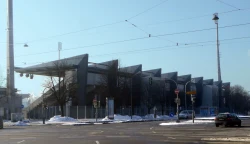
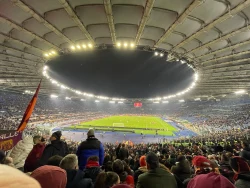
Royal Bafokeng Stadium near Rustenburg: community, World Cup and visitor guide
Royal Bafokeng Stadium sits in Phokeng, north of Rustenburg, within the homeland of the Royal Bafokeng Nation. The venue is more than a football ground: it is part of a sports complex rooted in a community whose institutions, land and public life shape the surrounding landscape. Its international profile grew during the 2010 FIFA World Cup, when the stadium hosted six matches. After a major refurbishment, the complex returned to the event calendar for the 2026 Toyota Cup; notices used the names Royal Bafokeng Sports Palace and Sports Complex for the venue. For visitors, the essential first step is to check the exact name on a current event notice; official and media sources use “Stadium,” “Sports Palace” and “Sports Complex” in related but not always identical ways.
Phokeng, the Bafokeng community and the stadium setting
The name Royal Bafokeng refers to a community in South Africa’s North West province, not simply a commercial stadium brand. The Nation’s official site describes a long-term vision centered on community wellbeing, culture, land and self-sufficiency. Its stadium archive places the football venue in Phokeng and records national and international sports events there. That context matters: the ground stands in a lived-in community landscape, and a trip to a match should not be treated as access to every nearby institution, campus or heritage site. Follow the event’s directions and respect any restrictions around facilities that are not part of the ticketed venue.
Rustenburg is the better-known regional reference point for many travelers, but the stadium is in Phokeng. Older World Cup reports often label it “Rustenburg” because the municipality hosted the matches; current event notices may use “Royal Bafokeng Sports Palace” or “Royal Bafokeng Sports Complex.” Those names can describe connected facilities within the wider sports precinct, but a visitor should not assume that every booking refers to the same entrance or building. Compare the organizer’s venue name, map pin and gate information before setting out, especially if a ticket is for a particular match or hospitality area.
The stadium’s location also reflects the region’s complicated modern history. The Bafokeng Nation’s public institutions developed in a landscape shaped by mineral wealth, community governance and long debates over land and development. The arena provides one visible example of how a community institution can host national sport and global events. That story is more useful to a visitor than a generic description of a large capacity: it explains why the venue’s name carries local meaning and why the sports complex is associated with a broader community rather than only with a football club.
From 2010 World Cup stage to a refurbished event venue
The North West provincial government confirmed that Royal Bafokeng Stadium would host six fixtures during the 2010 FIFA World Cup. The tournament brought teams and supporters from several countries to the area and placed Phokeng and Rustenburg in a global broadcast. A World Cup-era national profile recorded a capacity of 44,530 after an upgrade that enlarged the west stand and added a cantilevered roof. That is a historical event configuration, not a guarantee of current ticket inventory: the number of seats available today can differ with safety plans, closed sections and the event layout.
The stadium’s history includes football and other national sporting events, but its present-day use is not fixed to one permanent professional tenant. Fixtures, cup matches and organizers change over time. The Royal Bafokeng Nation’s 2026 media coverage reported that refurbishment of the Royal Bafokeng Sports Complex had been completed in preparation for the Toyota Cup. Kaizer Chiefs announced that the 2026 edition, played on 26 July, would mark the refurbished venue’s reopening, with a legends match before the main fixture. These are dated facts about a past event; check a current team or venue calendar for what is scheduled next rather than treating the 2026 notice as a standing programme.
The recent return to the calendar illustrates how a sports venue can move between quiet periods and major public occasions. The Toyota Cup brought a high-profile club fixture and a ceremonial programme back to the site after works. Its ticket notice gave the event date, gate opening and the price for that match. Those details were valid for that event only and should not be used as current admission rates for a later game. A useful way to read the stadium’s history is as a sequence of changing roles: a community sports asset, a World Cup venue, a host for national fixtures and, after refurbishment, a renewed event location.
How to plan an event-day visit
There is no general daily sightseeing schedule confirmed in the current sources consulted. Treat the stadium as an event venue unless its management publishes a separate tour or public opening arrangement. Before buying, verify the event date, exact facility name, ticket seller and entry gate. Do not rely on old posts about the World Cup or the July 2026 Toyota Cup for present-day prices, opening times or public access; one-off notices describe one event, not permanent visitor policy.
For transport, use the address and directions in the latest event communication rather than assuming that a map result for Rustenburg leads to the correct entrance in Phokeng. Match days can change traffic control, parking and gate access. Confirm whether parking is sold or assigned, whether any shuttle is operating and when spectators should arrive. If you are staying in Rustenburg, include the additional drive in your schedule and allow time for security screening. The ticket itself may not include transport or access to other buildings in the sports complex.
Visitors who need accessible seating should contact the ticket provider or organizer before purchase and ask about step-free routes, companion seats, accessible toilets and the distance from parking to the gate. Capacity information from the 2010 upgrade cannot answer those practical questions for a modern event. Families should also check age conditions and bag rules, while anyone arranging a group or hospitality visit should make a separate booking with the appropriate operator rather than expecting walk-in access.
Royal Bafokeng Stadium rewards travelers who look beyond the match result. Its World Cup record gives the venue international significance, the Bafokeng setting gives it local meaning, and the 2026 refurbishment shows that its event life continues to evolve. Confirm whether your destination is the stadium, the Sports Palace or another part of the complex; check a current event listing; and plan transport and entry around that notice. With those details settled, a match becomes a way to encounter both South African sport and the community landscape of Phokeng.