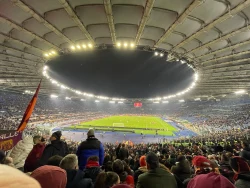
About Estadio Marcelo Bielsa
Estadio Marcelo Bielsa in Rosario: the Coloso del Parque and its football story
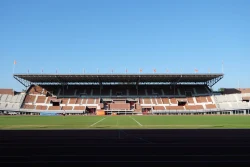
In Rosario’s Parque Independencia, the Estadio Marcelo Bielsa is more than the home ground of Newell’s Old Boys. It is a neighborhood landmark and a place where the club’s century-long identity meets the atmosphere of Argentine football. Supporters still call it El Coloso del Parque, a name tied to its setting inside the city park. The venue’s current official name honors Marcelo Bielsa, the former Newell’s player and coach. Visitors should know that this is an active club stadium rather than a permanent museum: entry is generally connected to a match, an announced event or a prearranged guided visit.
A ground rooted in Parque Independencia
Newell’s Old Boys was founded in Rosario in 1903. The club’s official history records that it established itself in Parque Independencia in 1911, the same year it won the Copa de Honor Municipalidad de Buenos Aires. A wooden stand was the first structure at the site. The stadium opened on 23 July 1911, according to the official Copa Argentina venue profile. Across the following decades the ground expanded and changed with the club and the city, while its location within Parque Independencia remained central to its identity.
The name “Coloso del Parque” reflects that relationship with the park and with the supporters who made the stadium a local reference point. On 22 December 2009, the venue was formally named for Marcelo Bielsa, in recognition of the coach’s connection to Newell’s. The name change did not erase the older nickname: club communications and local football coverage continue to use “El Coloso” alongside Estadio Marcelo Bielsa. The west stand has also carried tributes to other figures associated with Newell’s, reflecting the way the stadium’s names and spaces record club memory.
For a visitor, the setting is part of the experience. Rather than standing alone in a distant sports district, the ground sits within one of Rosario’s established parks. The wider Parque Independencia area helps explain why the stadium is referred to by both its official name and its park-based nickname. It also means that an event day can affect more than the stadium gates: transport, pedestrian movement and access routes around the park may be organized for a large crowd.
From league matches to large-scale events
The stadium is Newell’s home for domestic competition and for international fixtures when the club qualifies. Its calendar can also extend beyond football. In April 2026, the club reported that the venue hosted “Futtura,” a major production by Argentine performer Tini, describing it as an event that demonstrated the stadium’s ability to accommodate large-scale entertainment. This mix of sport and live events is one reason that opening hours, entry points and access to particular stands should never be assumed from a general listing.
Match information and tickets are announced by the club and competition organizers. Check the official fixture and ticket notices for the date you plan to attend; the final kick-off time, ticket category, gate and security requirements can vary. Buy through the channel identified in the announcement, arrive with the ticket and required identification ready, and follow the entrance printed on it. A ticket for one stand does not guarantee access to another area or to the surrounding facilities.
Guided visits and practical planning
Newell’s currently offers a guided visit coordinated by its Secretariat of Community and Culture. The club’s notice dated 2 September 2026 describes a route through the Parque Independencia headquarters and the Estadio Marcelo Bielsa, designed to introduce the institution’s history and present-day life. The activity is open to members and the general public, but visitors must arrange a visit in advance by writing to comunidadycultura@canob.com.ar. The club does not list a standing daily drop-in schedule on that notice, so ask about available dates, duration, meeting point, price and any match-day restrictions before making a special trip.
Do not confuse a guided visit with access to a match or concert. Each is a separate activity, and event setup can affect whether the route is available. If you are visiting Rosario for a particular fixture, check the club’s current news close to the date, especially when there are changes to entrances or works in the stadium. For a guided tour, retain the written confirmation and follow the meeting instructions from the club rather than arriving at an unannounced gate.
The official Newell’s website describes the stadium as located in Parque Independencia, Rosario, Santa Fe, and provides current club news and event information. For historical venue details, the Copa Argentina stadium profile records the 1911 inauguration and the stadium’s location. For tour arrangements, use Newell’s current guided-visit announcement. The Coloso is best approached as a living football institution: the park setting, match-day rituals and carefully scheduled tours reveal more than a static list of capacity figures ever could.