River Plate’s Monumental in Buenos Aires: a stadium and club story
The Monumental and the making of River Plate
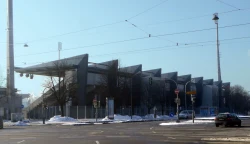
In Buenos Aires, football is part of the city’s geography as much as its weekend routine. River Plate’s stadium, officially named Estadio Mâs Monumental under a commercial agreement, stands in the northern neighbourhood of Núñez. It is the club’s home ground, a large event venue and the setting for one of Argentina’s best-known football rivalries. A visitor may come for a match, a stadium experience or the River Museum, but each requires separate planning: a museum visit does not include a match ticket, and the stadium’s interior is not continuously open to the public.
The Monumental was inaugurated on 25 May 1938. River’s official institutional history records a 3–1 victory over Uruguay’s Peñarol in the opening match; Carlos Peucelle scored the first goal at the new ground. The stadium was not finished in the form familiar today. It was expanded and adapted over subsequent decades, including work associated with Argentina’s 1978 World Cup, for which it hosted the final. Its scale has grown again in recent years through a major redevelopment of the stands and facilities.
A modern stadium with a neighbourhood setting
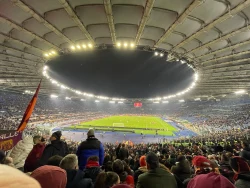
After the latest works, River Plate reported an official capacity of 85,018 in its 2025 institutional report. This is a club-published figure and can differ from the number of tickets made available for a particular event. Seating layouts, safety requirements and production arrangements affect sellable capacity. The Monumental’s broad bowl and steep stands help explain why it is also selected for large concerts and other gatherings, though an event’s configuration may differ from a football match.
Núñez is not simply a stadium precinct. It is a residential part of the city, and matchday crowds move through ordinary streets, transport stops and local businesses. Visitors should check the club’s event information for gate opening times, entry procedures and travel advice. The exact approach may depend on the ticket sector. Arriving early is sensible for security screening and wayfinding, but do not treat a concert or match schedule as interchangeable with a museum or tour opening schedule.
River’s identity is strongly associated with its white shirt crossed by a red band, its long sporting history and the rivalry with Boca Juniors. The Monumental offers a setting in which those themes become tangible, from the scale of the stands to the club’s memorabilia. Yet the stadium is also a working venue: access, routes and available facilities can change during preparations, maintenance or a match. The club’s own notices should take precedence over old travel listings.
River Museum and the visitor experience
The River Museum presents the club’s history through objects, archival material and interactive displays. Its current exhibition includes a 4D experience built around the atmosphere of matchday, a timeline and spaces for photographs. The museum is a separate attraction from the stadium seating bowl, and access to behind-the-scenes areas should be understood as part of a tour only when that product is explicitly offered and booked. The precise visit format may change as the club updates its displays and visitor operations.
Buenos Aires City Tourism currently lists the museum as open daily from 10 a.m. to 7 p.m., with paid admission, while warning that matchdays can affect hours. Treat this as a useful reference rather than a guarantee for a specific date. Before travelling, confirm hours, last admission, ticket conditions and any event-related changes through the museum or River’s official channels. The club’s ticket guidance uses RiverID and explains that sales and availability vary with membership status and each event; a public sale is not assured for every match.
If the stadium is the main reason for your visit, distinguish among three products: entry to a River match, admission to the museum and any separately offered stadium tour. They are not interchangeable. Match tickets are distributed through the club’s ticketing process, and access priorities depend on club membership and the fixture. Museum admission does not grant a seat in the stadium. Tour schedules and routes can also be affected by events, so verify the specific booking rather than expecting to walk in and see the playing area.
How to plan a Monumental visit
Use the official event or museum page close to your travel date. Check the stadium sector printed on your ticket, the recommended gate, identification requirements and any restrictions on bags or items. For a museum visit, confirm that the day is not affected by a home fixture or private event. If your itinerary includes both a match and the museum, leave enough time between activities and do not assume that the museum will remain open through the final whistle.
The Monumental’s appeal comes from the meeting of sport, architecture and Buenos Aires neighbourhood life. Its 1938 opening anchors a long club history, while successive expansions have turned it into a venue of contemporary scale. The River Museum gives that history a more focused narrative, and matchday reveals the rituals that cannot be replicated by a display. Choosing the right visit, checking current access and allowing for event-day crowds makes it easier to experience River Plate on its own terms rather than as just another stadium stop.