Peter Mokaba Stadium in Polokwane: baobab design and visitor guide
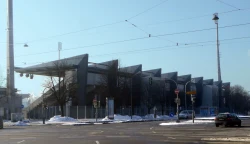
Peter Mokaba Stadium rises on the eastern side of Polokwane, its broad concrete form and tree-like supports recalling the baobab that inspired the design. Built for the 2010 FIFA World Cup, the ground hosted four matches and introduced the Limpopo provincial capital to an international football audience. It is named for Peter Mokaba, the anti-apartheid activist and public figure from the region. Today the stadium remains an event venue, not a permanently open museum. Visitors should plan around a match or scheduled event, confirm which of Polokwane’s two stadiums is being used, and rely on the organizer’s current ticket and entry details.
A modern venue with a local visual language
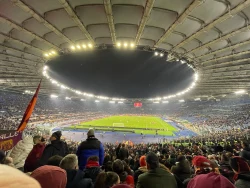
The project architect describes the stadium as a World Cup-compliant venue whose form was inspired by the baobab, a tree strongly associated with the region. Rather than reproduce a tree literally, the design gathers structural members at the corners and lets them support the roof plane. From the outside, those heavy trunks and the horizontal roof make the building legible as a civic landmark; from the stands, the roof frames the pitch and the open sky. The architecture therefore connects a major international venue with a familiar southern African image without turning the stadium into a decorative theme park.
The municipal visitor guide identifies the namesake as Peter Mokaba (1959–2002), a leader in the anti-apartheid struggle who served in Parliament and as a deputy minister. Naming the ground after him gives the sporting venue a civic context. Mokaba was associated with the liberation movement and youth politics, while the stadium was built during the democratic era to host a global event. That contrast is worth noticing when visiting: the stadium’s story is both about football and about how public places in South Africa carry names tied to political memory.
There are two grounds commonly called Peter Mokaba Stadium: the newer World Cup venue and the older municipal stadium nearby. This distinction matters for directions, team listings and tickets. The city’s facilities page lists Old Peter Mokaba Stadium separately, and Polokwane City Football Club also identifies its listed ground as the old stadium. A search result or map label that merely says “Peter Mokaba” may therefore be ambiguous. Before travelling, match the full venue name on the event announcement with the address and ticket confirmation.
Four World Cup matches and a complicated capacity figure
The new stadium hosted four group-stage fixtures during the 2010 FIFA World Cup. It was among the tournament venues constructed in advance of the competition and helped Polokwane join the host-city network beyond South Africa’s largest metropolitan areas. The event was temporary, but its infrastructure remained: the city’s later planning reports describe the new stadium as a venue for major football matches, while municipal materials also refer to rugby, rallies and other public uses across the city’s two stadiums.
Published capacity figures are not identical, so a single number can mislead. The city’s visitor brochure says the stadium seats up to 45,000; planning material describes a built capacity of about 45,000, a reduced World Cup configuration of 41,700 and a national-event safe capacity of 43,500. The architect lists a higher design figure. These measurements refer to different settings and documentation, not necessarily a contradiction about the number of seats installed. Ticket inventory is set for each event and may be lower because of safety plans, production equipment or closed sections. Treat the event’s seat map as the practical source.
The World Cup also gave the building a recognizable international profile. The baobab-inspired outline differs from the more familiar steel-and-glass stadiums of the period, and its large roof creates a visual anchor on Polokwane’s eastern edge. For visitors, it is useful to look beyond the exterior: the structure was designed to bring crowds into a shared bowl for football and other gatherings. Its local meaning comes from the meeting of civic identity, public architecture and the memory of a tournament that made the city visible to fans worldwide.
What visitors can do—and what needs checking first
Polokwane’s official guide lists a football pitch, function rooms, commercial offices, VIP suites and an outdoor event area among the stadium’s facilities. These are venue and event functions, not a promise of drop-in access to every space. We found no current public timetable for routine stadium tours or daily sightseeing admission. Unless the stadium or event organizer confirms otherwise, plan to enter with a valid ticket or through a separately arranged booking rather than arriving to explore the stands.
The municipality’s booking page is useful for understanding the city’s broader sports facilities, but it mixes several venues and should be read carefully. Its listing for Old Peter Mokaba Stadium names athletics, football, rugby, festivals and other activities, while its weekday operation and booking-office times refer to municipal facilities administration. They are not published visiting hours for the newer World Cup stadium. If you need to rent a room, arrange a group visit or ask about a civic event, contact the city through the current facilities channel; for a match, use the club or ticket seller’s instructions.
Polokwane sits inland in Limpopo, so a stadium visit can be combined with other city stops, but the event schedule should shape the day. Check the match date, venue version, gate-opening time, seat category, age restrictions and rules on bags before leaving. Do not assume the old and new stadium share ticket offices or entrance gates. If traveling with children or anyone who needs step-free access, ask about accessible routes, toilets and companion seating for the exact event; general construction features do not confirm which facilities will be open.
The best reason to visit Peter Mokaba Stadium is the way it joins football history to a distinct regional design. The baobab reference makes the building recognizable, the 2010 tournament anchors it in the country’s sporting chronology, and the nearby older stadium explains why accurate directions matter. Confirm whether your destination is the new venue or the old municipal ground, secure event-specific information, and then allow time to view the structure from outside as well as from the stands. A careful plan turns a potentially confusing map search into a worthwhile Polokwane sports experience.