Polsat Plus Arena Gdańsk: the amber stadium, tours and visitor guide
A stadium shaped by Gdańsk’s amber identity
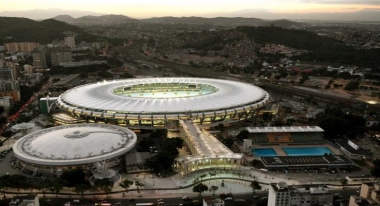
Polsat Plus Arena Gdańsk sits in the Letnica district at ul. Pokoleń Lechii Gdańsk 1, northwest of the historic centre. Its amber-coloured outer shell is the feature most likely to catch a visitor’s eye, but the building is also a busy event venue rather than a football ground that can be entered freely at any time. The operator’s current calendar includes sporting fixtures, concerts, fairs and family events. Before travelling, check whether the day’s programme changes access, parking or public transport; the same site can feel very different on a quiet tour day and during a major event.
The stadium was designed with the city’s Baltic amber tradition in mind. The operator says its polycarbonate façade is made up of 18,000 panels across roughly 4.5 hectares. Construction began in 2009, and the venue was handed over on 19 July 2011. Its naming has changed with sponsorship: it opened as PGE Arena Gdańsk, later carried the Energa and Stadion Gdańsk names, and has been Polsat Plus Arena Gdańsk since May 2021. Older articles may therefore use a former name even when describing this same Letnica landmark.
Built for a European football summer
The stadium was developed for UEFA Euro 2012, which Poland co-hosted with Ukraine. Its first match took place on 14 August 2011, when Lechia Gdańsk and Cracovia drew 1–1 in front of a reported 34,000 spectators. During the tournament, Gdańsk hosted three group matches and the quarter-final between Germany and Greece. The tournament placed the venue on an international football map, but its role did not end with the final whistle: the calendar has since ranged from domestic football to major concerts and non-sporting events.
Some numbers help explain the scale of the project without turning the visit into a technical tour. The operator records 150,000 tonnes of reinforced concrete, 6,500 tonnes of steel structure and a roof supported by 82 steel frames, each weighing about 66 tonnes. The façade’s amber effect is architectural rather than a claim that the building is made from amber. Those details are worth noticing from outside: the stadium’s broad oval profile and warm-toned panels translate a regional material into a contemporary public building.
Inside the stadium: a guided route and a high viewpoint
On selected dates, a guided tour takes visitors into spaces that are normally out of reach during a match. The operator describes a route of about one hour, starting at the stadium office and including the players’ dressing room, a VIP box and the edge of the pitch. The current page lists a regular ticket at 25 złoty, a reduced ticket at 18 złoty, a ticket for a visitor with a disability at 15 złoty and free entry for children under four. Tickets are sold online, and visitors who need an adjusted route are asked to contact the operator in advance.
A separate viewing point offers a different perspective from 35 metres above ground. The operator lists it as open daily from 9:30 a.m. to 4 p.m. from October through April and until 6 p.m. from May through September, with a current listed ticket price of 13 złoty. It closes on match days, and construction or event operations can cause additional changes. Both the tour and the viewpoint publish live availability through the venue’s ticket system, so treat the seasonal hours and prices as current references rather than guarantees for a particular date.
Getting there and making the visit work
The official address is ul. Pokoleń Lechii Gdańsk 1, postal code 80-560. For public transport, the stadium’s access page lists trams 7 and 10 and buses 158, 258, 658 and N12 at the Polsat Plus Arena Gdańsk stop; bus 283 also serves the venue and the nearby Żaglowa Amber Expo stop. A special SKM stop, Gdańsk Expo, operates only during mass events. These are useful options, but event-day services can differ, so check the city and venue notices before setting out rather than relying on an old route screenshot.
Drivers can approach via Marynarki Polskiej Street and Żaglowa Street, or via Aleja Płażyńskiego and Pokoleń Lechii Gdańsk. Parking is operated separately, and spaces or entrances may be restricted during concerts and matches. The venue is large enough that choosing the correct gate matters; follow the event’s ticket and access instructions. If you are visiting for a guided tour, arrive at the stadium office indicated by the operator, not at a gate chosen only because it looks closest on a map.
For a first visit, combine an exterior look at the amber shell with either the guided route or the viewing point, if one is available on your date. A tour supplies the human scale of changing rooms and the pitch edge; the elevated platform reveals how the bowl fits into Letnica. The city’s stadium calendar is the best starting point for matching a visit to the live schedule. Polsat Plus Arena is compelling not because it promises a permanent exhibition, but because its changing uses—football, music and public events—show how a purpose-built tournament stadium continues to serve Gdańsk.