Moses Mabhida Stadium in Durban: arch, World Cup and visitor guide
Durban’s Moses Mabhida Stadium is easy to recognize from a distance: a great white arch rises over a broad, open bowl near the Indian Ocean. Built for the 2010 FIFA World Cup, it remains an active sports and events venue, but it is also a visitor attraction with guided stadium tours and a wider precinct of recreation and food. The name honors Moses Mabhida, a South African political and trade-union leader. For travelers, the appeal is not only the structure’s scale; it is the chance to see how a World Cup venue can serve as a city landmark, an event space and a place for everyday leisure.
An arch that defines the Durban skyline
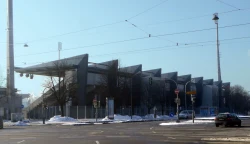
The stadium was created for Durban’s role in the 2010 World Cup. Its most distinctive feature is the arch spanning above the roof. The venue’s own fact page gives the arch a height of 106 metres and describes it as more than a structural flourish: its shape symbolizes a nation once divided coming together. The arch is visible across the surrounding sports precinct, giving the stadium a clear presence in the city without relying on a conventional tower or façade.
The stadium’s name also points beyond sport. Moses Mbheki Mncane Mabhida was a prominent figure in South African political life and the labor movement. Naming the arena after him places a civic and historical reference at the heart of a venue built for a global football competition. That connection is worth keeping in mind when viewing the stadium: its design is contemporary, but the name evokes struggles and change in the country’s modern history.
The structure sits in Durban’s Kings Park sports precinct, close to the beachfront and the M4 coastal route. A municipal facilities document describes the stadium as a multipurpose venue whose precinct also accommodates retail, outdoor activities, sport and events. The arch, field and surrounding public spaces work together as a destination rather than a single enclosed arena. The city’s official attractions page now promotes guided tours, Segway experiences and People’s Park, giving visitors several ways to encounter the site even when they are not attending a match.
From World Cup venue to working public landmark
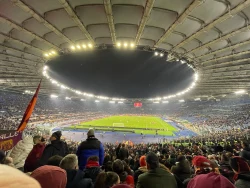
The 2010 tournament brought the stadium to a worldwide audience. It hosted seven matches, including a semi-final, and was among the venues that made Durban a host city. The competition was a first for the African continent, so the arena became part of a larger national story about staging a global event. The venue’s legacy is not limited to those fixtures: its continued use for sport, entertainment and civic gatherings is what keeps the building connected to daily life in Durban.
One of the advantages of a stadium tour is being able to see spaces that spectators ordinarily pass without noticing. The current official tour description promises guided access behind the scenes and an introduction to the design, engineering and history of the arch. It describes a route through parts of the stadium not normally open to the public. Rather than simply looking up at the structure from outside, a visitor can learn how the venue is organized around athletes, officials, hospitality and crowds.
The venue’s wider attraction mix changes with its operators and calendar. Its current official pages list the stadium tour alongside Segway gliding, People’s Park and Café, an AmaZulu fan experience and other offerings. This mix makes the precinct more than a match-day destination. Families may be drawn to open space and children’s recreation; football followers may seek club-related exhibits; architecture enthusiasts may focus on the roof and engineering. Availability, operating conditions and any admission fees are activity-specific, so check the official attractions and booking pages before setting off.
People’s Park is a separate part of the precinct, not a stadium seating area. The stadium’s current attractions page lists the park and café among its visitor options, alongside the stadium tour and other experiences. That makes the surrounding grounds a useful addition for visitors who want outdoor time as well as a look at the landmark. The park is managed separately from match access, so check its current conditions and any activity booking details if it is central to a family itinerary.
How to plan a visit
The stadium’s official tour page lists a standard adult rate of R70 and a peak-season rate of R80. Those rates may change, and other visitor products have their own prices and conditions. The page also lists school-tour rates and booking requirements. Read the live page before paying, confirm the date and arrival instructions, and do not assume that a tour ticket includes a Segway activity, a special attraction or admission to a match.
There is no single daily schedule for every activity around the stadium. A match, school tour, Segway session or separately operated attraction may follow different hours and booking rules. The official site presents these experiences on separate pages, so check the events calendar and the page for the activity you intend to visit rather than relying on a general opening-hours listing.
The site lies at Moses Mabhida Stadium on Masabalala Yengwa Avenue in Durban’s sports district. Because the stadium is near the beachfront and a major coastal road, it can be combined geographically with other stops along the seafront, but travel time depends on traffic and event arrangements. On event days, follow the organizer’s transport and parking notice. Ticketing, entry times, security checks and restricted items can change with the event, and a casual visit to the outside grounds does not grant entry to the bowl.
For visitors with mobility needs, check the tour’s access details directly with the operator before booking. The city’s facilities and attractions are managed across separate services, so accessibility and opening conditions may differ between the stadium tour, park, rides and food outlets. Families should similarly verify age limits and supervision rules for each attraction. A few minutes spent checking these details can prevent a wasted trip, especially when several experiences are being planned for the same day.
Moses Mabhida Stadium rewards a visit even if football is not the main interest. Its arch gives Durban a powerful modern silhouette, while the guided tour adds stories of construction, sport and public design. People’s Park and the surrounding attractions broaden the experience beyond the match. The best plan is to choose one main activity, verify its current hours and price on the official page, and leave time to see the structure from different angles. That way the stadium becomes more than a photograph: it becomes a lens on Durban’s sporting identity and its use of a major event landmark.