Mbombela Stadium: World Cup architecture and match-day guide
Set on the edge of Mbombela in South Africa’s Mpumalanga province, Mbombela Stadium is a purpose-built World Cup ground whose design makes the visit memorable before a match even begins. Eighteen orange columns shaped like giraffes support the roof, while black-and-white seats create a zebra pattern around the bowl. The venue was built for the 2010 FIFA World Cup and remains a working stadium for football, rugby and major events. It is not a museum with ordinary walk-in hours: visitors generally plan around a fixture, concert or separately announced event, then check the organizer’s ticket and transport information.
A stadium shaped by the Lowveld
The city’s official profile describes Mbombela as one of five new stadiums built for the 2010 tournament and the only one designed wholly in South Africa. The roof was also fabricated locally as far as possible. Those details give the building a distinct place in the country’s modern stadium story: it was both an international football venue and a local design-and-construction project. The arena sits in Mataffin, on the western side of the city centre. Older travel material may still use the former city name, Nelspruit, so searches and transport directions can show either name even though the municipality now uses Mbombela.
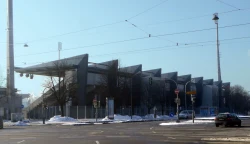
The giraffe columns are the building’s most recognizable feature, but they are not decorative props added to a conventional shell. Eighteen supports carry the roof, and the city says their heads are large enough for a person to stand inside. The stadium’s seats borrow the black-and-white pattern of a zebra, while the open roofline and orange supports recall the wildlife landscapes associated with the Lowveld. This visual vocabulary explains the nickname “Africa’s Wildest Stadium” used by the municipal profile. It also helps visitors orient themselves: the columns can be spotted around the perimeter from several approach roads.
Design figures should be read as venue specifications, not a promise of how many tickets will be available for every event. The city lists 43,500 seats, 196 wheelchair spaces and a pitch 693 metres above sea level. Event organizers can configure sections differently for football, rugby, concerts or safety requirements, and some seating may be held back. If step-free access or a companion seat is important, contact the stadium or ticket seller before buying rather than assuming a general capacity figure guarantees a particular layout.
Four World Cup matches and a continuing sports calendar
Mbombela hosted four matches at the 2010 FIFA World Cup, placing the Mpumalanga capital on the itinerary of a tournament followed around the world. The stadium was one of the new venues created for the competition rather than an old ground simply refurbished for it. That distinction is visible in its planned bowl, roof structure and event infrastructure. For local supporters, however, its importance did not end when the international teams left: the venue has continued to stage domestic football, rugby and other public events.
The Airlink Pumas use the ground for selected rugby fixtures, while the stadium calendar and the national football league list match dates and opponents as they are confirmed. Those schedules change from season to season. The official stadium site has published fixtures involving local football clubs, and the Pumas’ own fixture page identifies when the union plays at Mbombela. That makes the venue a useful base for visitors interested in South African sport, but it also means an old guidebook cannot reliably tell you what is on during a future trip. Check the stadium and team pages close to your intended date.
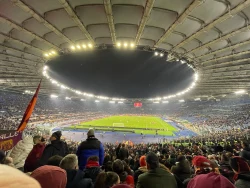
On a match day, the atmosphere is part of the experience: team colours fill a bowl whose wildlife-inspired supports are visible from the stands, and the venue’s scale is easier to appreciate when the crowd gives it sound and movement. A rugby match and a football match create different rhythms, so the best choice depends on the competition and fixture rather than the stadium alone. If you are unfamiliar with the local teams, read the event listing for kick-off time, gate opening, ticket category and any restrictions before travelling.
Planning a visit without assuming daily admission
The stadium’s published contact page lists weekday office hours from 8 a.m. to 4 p.m. and provides a separate ticket-office number. These are administrative contact hours, not confirmation that spectators can enter the bowl or grounds every weekday. The stadium’s public-facing information is organized around fixtures, bookings and events; no standing daily visitor tour schedule is advertised on the pages consulted. Treat access as event-specific unless management confirms otherwise, and do not arrive expecting a general sightseeing admission.
Parking is a practical strength of the site: the official stadium information lists space for about 4,500 vehicles. It also describes a park-and-ride service for football matches and selected large rugby games. Availability depends on the event, so verify whether a shuttle is operating and where it departs before setting out. On a busy match day, allow extra time for road traffic, security checks and walking from the parking area. Follow the event’s own transport notice, since parking arrangements can differ between organizers and may not be included in a match ticket.
For tickets, use the sales link named by the stadium, league or team rather than relying on resale posts. Confirm that the fixture is still scheduled, note the venue spelling used in the booking, and check age rules, permitted bags and stadium entry times. Wheelchair users should ask the ticket provider about accessible routes and companion seating for the specific event. The city’s design facts include wheelchair positions, but exact access arrangements and available seats are controlled by event configuration.
Mbombela Stadium works best as part of a sports-focused visit rather than as a guaranteed open-air attraction. Its architecture offers a clear sense of place, its World Cup history connects the city to a global event, and its current calendar brings local football and rugby into the same bowl. Check the date first, then choose a match or event, confirm tickets and transport, and only then build the rest of your itinerary around the venue. That simple sequence turns the giraffe columns and zebra-patterned stands from a roadside landmark into a well-planned day out.