La Bombonera in Buenos Aires: Boca Juniors’ stadium and museum
La Bombonera and the Boca neighbourhood
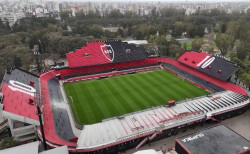
In Buenos Aires, La Bombonera is more than a football ground. The stadium is the home of Boca Juniors and an emblem of La Boca, the working-class neighbourhood whose identity is often associated with the club’s blue-and-gold colours. Its formal name is Estadio Alberto J. Armando, but the nickname La Bombonera is the one most visitors recognise. The address given by the club is Brandsen 805. A visit might mean attending a Boca match, entering the club museum or seeing the exterior during a neighbourhood walk; these are distinct experiences, and the stadium does not operate as an all-day public attraction.
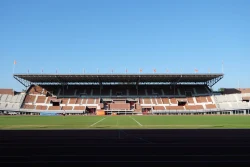
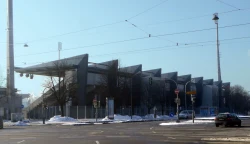
The current ground opened on 25 May 1940 with a match against San Lorenzo. Boca’s official history records a 2–0 victory in the inaugural fixture. The stadium was later expanded: a third tier and floodlighting were added in the 1950s, helping shape the compact, steep-sided structure that became one of football’s most recognisable settings. Its form is partly a response to limited urban space, with one stand rising sharply above the pitch. The architecture feels close to the action, though the visitor experience depends on the specific seat and event.
A stadium shaped by its club and city
Boca Juniors’ history reaches beyond the stadium walls. The club was founded in 1905 by young men in La Boca, a port district shaped by migration, labour and neighbourhood culture. The club’s blue-and-gold colours are part of that identity, as is the rivalry with River Plate. On matchdays, the district’s streets and public transport become busy, and visitors should expect security procedures and crowd movement rather than an ordinary sightseeing stop.
La Bombonera is a working stadium, not a museum building that can be entered freely whenever its museum is open. A match ticket is required for a game and is separate from museum admission. Public access to stands, tunnels or other internal areas is determined by the club’s schedule and the specific product on sale. Even on a day without a fixture, some spaces may be closed for operations or preparation. Do not assume that seeing the stadium from outside means there is an open route into the ground.
The stadium’s reputation is closely connected with its crowd. Chants, flags and the visual movement of the stands are part of match culture, but the intensity varies with the fixture and access conditions. A visitor who wants that atmosphere needs an official ticket for a match; a museum visit can explain Boca’s history but cannot reproduce the sound or uncertainty of a live game. Check current ticket rules through Boca’s official channels and avoid offers that cannot be verified by the club.
Museo de la Pasión Boquense
The Museo de la Pasión Boquense presents Boca Juniors’ history through photographs, trophies, objects and audiovisual material. The club’s current visitor information describes a historical route that spans the institution’s 120-year story and includes displays about its teams and achievements. It is an indoor cultural visit focused on the club, not a guarantee of access to every part of the stadium. If a tour or combined ticket is available, read exactly which areas it includes and whether the route changes on matchdays.
Boca’s official page currently lists the museum as open every day from 10 a.m. to 6 p.m., with the ticket office closing at 5:30 p.m. These are published visitor hours and can change for matches, maintenance or club events. Confirm the date-specific information before travelling. Museum admission is paid, and ticket terms, availability and any guided options should be checked through the club rather than inferred from old travel pages.
For a practical visit, note that the ticket office closes before the museum’s stated closing time, so arriving near the end of the day may leave too little time. The official page and club announcements are the best place to check temporary changes. If your main objective is a match, obtain ticket information separately and plan for event entry. Museum access and match access are not interchangeable, and a museum ticket should not be treated as a stadium tour unless the specific offer says so.
Planning a visit to La Bombonera
Start with the date. On a matchday, streets near Brandsen can be crowded and access controls may affect movement around the ground. Follow the club’s instructions and local steward guidance, and arrive with enough time for the entry process. If visiting only the museum, still check the Boca schedule because an event can alter opening arrangements. Use current transport information for La Boca and allow extra time if travelling across the city.
For visitors interested in the neighbourhood as well as the team, La Bombonera can anchor a broader walk through La Boca, but the stadium is only one part of the area. The club’s official history helps place the ground in Boca’s 1905 origins and the 1940 opening; the museum offers a closer look at the institution’s sporting memory. Together they explain why this compact, steep stadium has become an international symbol. The most rewarding visit is the one planned around the access actually available: match, museum or exterior view, without assuming one automatically includes the others.