Gazprom Arena in Saint Petersburg: design, tours and match-day planning
A stadium on Krestovsky Island
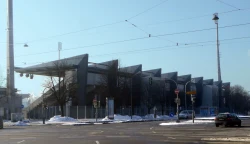
Gazprom Arena stands on the western end of Krestovsky Island, beside the Gulf of Finland, in a city better known for palaces and canals than for contemporary sports architecture. Its official address is Football Alley 1, building 1. The stadium occupies the grounds of the former Kirov Stadium, which opened in 1950 and served as Zenit’s home from 1950 to 1992. The old venue’s last match was played in 2006, before redevelopment transformed the site. That history gives the arena a local story beyond its role as a modern football ground.
The design was selected from a proposal by Japanese architect Kisho Kurokawa, whose concept came to be nicknamed the “space saucer” for its futuristic silhouette. The venue is built to host more than league football: the operator describes it as a multifunctional complex for matches, concerts, festivals, exhibitions, conferences and other large events. Its location also changes the approach to an event. Visitors arrive through a park-like part of the island, with views toward the gulf and the city’s newer maritime edge. On event days, access routes and security controls are organized around the specific schedule.
Engineering that changes the playing surface
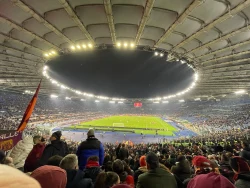
The arena’s most distinctive feature is not only its roof but its moving football field. The official technology page says the complete pitch can roll beneath stand D and out of the stadium bowl. The structure weighs about 8,400 tonnes and takes roughly two hours to move. This allows non-football events to use the concrete floor without placing equipment on the grass; when outdoors, the turf also receives more sunlight and natural ventilation. For spectators, the engineering is usually invisible, but it explains how one venue can alternate between sport and entertainment.
A sliding roof adds another layer of flexibility. The operator lists its area as 13,500 square metres and says full opening takes around 40 minutes. In poor weather it can be closed; on hot days its central sections may be separated. Ventilation and air heating are also part of the design, intended to maintain conditions when the roof is shut or temperatures drop. These are the venue’s published technical specifications, not a promise that every event will use the same configuration. The roof, pitch and interior setup may be adjusted to suit the event and current operating requirements.
Football, concerts and ways to see inside
Zenit’s home fixtures are the arena’s most familiar use, but the venue’s calendar also includes concerts and shows. Event dates change, so the official arena listing is the reliable place to check what is scheduled rather than assuming that the stadium is open for general sightseeing every day. The club’s ticket portal advertises several tour formats, including group requests, children’s and student tours, a match-day tour and themed experiences. The page asks visitors to submit a request for details and tickets; tour availability should therefore be confirmed directly, not treated as a fixed daily timetable.
When a tour is operating, it offers a different perspective from the stands: visitors may be shown selected rooms or spaces used by the club, depending on the route and event operations. Some themed products are designed for children or combine the stadium with the path of a professional player. The club also publishes match-related walks and special programs at particular games. These are scheduled activities, not unrestricted access to the pitch or backstage areas. Check the description for the chosen tour, language, age conditions, duration and meeting point before paying, and leave time for the security procedure if your booking is tied to a match.
Tickets, access and practical details
For a football match, use the official Zenit ticket service and review the current entry rules. The Fan Card portal says a Fan ID is required for spectators attending Russian Premier League matches and must be arranged for each attendee, including children under 14. The digital ticket is connected to that system for entry. Requirements may differ for concerts or other events, so do not assume a football rule applies to every program; follow the instructions attached to the specific ticket and event. Carry the identification and documents required for your situation, and arrive early enough to pass security and find the correct entrance.
The arena’s published address is Football Alley 1, building 1, Saint Petersburg. Its official visitor information separates routes for match or concert days from directions for other days, which is a useful reminder that access and traffic arrangements can change with the calendar. The venue’s excursion page currently takes requests rather than promising walk-in admission. For travelers, Gazprom Arena works best as a planned event or booked tour, not as a guaranteed drop-in attraction. Confirm dates, transport instructions, ticket terms and any accessibility arrangements with the organizer close to your visit; that practical check helps the stadium’s striking engineering become part of a smooth day in the city.