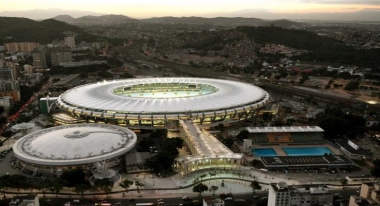
Estadio Monumental U in Lima: Universitario’s home and visitor guide
A football landmark in eastern Lima
Estadio Monumental U, commonly called the Monumental, is the home ground of Club Universitario de Deportes in the Ate district of Lima. It is not a museum that happens to host matches: the stadium remains an active venue whose gates, transport arrangements and permitted areas change with the event calendar. For visitors, that distinction matters. A match, a guided tour and a quiet look at the exterior are different experiences, each governed by current club and ticketing information.
The stadium’s scale reflects the ambitions of one of Peru’s best-known football clubs. Universitario traces its origins to 7 August 1924, when students from the National University of San Marcos and the schools of engineering and agronomy formed the Federación Universitaria de Fútbol. The organization became Club Universitario de Deportes in 1933. That student beginning remains part of the club’s identity, while its home ground tells a later story about the growth of Lima and modern football.
The Monumental was a long-term project rather than a building that appeared overnight. The club places the stadium idea in 1989, the laying of its first stone in January 1991 and the start of construction in November 1996. Uruguayan architect Walter Lavalleja designed the venue. Those dates help explain why its opening was presented as a major institutional milestone: the stadium embodied years of planning, financing and construction on the eastern edge of a rapidly expanding capital.
Opening day and the club’s football memory
Universitario inaugurated the stadium on 2 July 2000 with a 2–0 victory over Sporting Cristal in the Apertura tournament. The club records goals by Eduardo Esidio and Piero Alva and an attendance of 80,208, which it describes as the largest recorded crowd in Peruvian football. The figure belongs to the opening match, not to a promise about ordinary attendance or present-day capacity. It captures the scale of public interest surrounding a new home for the team.
The building quickly became a setting for defining moments in the club’s history. Universitario says it closed 2000 by celebrating the national title on its new pitch, completing the first three consecutive league championships in its history, from 1998 through 2000. A stadium is not the source of a team’s success, but repeated seasons of competition give a ground its emotional map: entrances, stands and the field acquire meaning through matches that supporters remember together.
Its importance also reaches beyond domestic fixtures. CONMEBOL selected Lima’s Monumental to stage the 2019 Copa Libertadores final between Flamengo and River Plate, the competition’s one-match final. Flamengo won 2–1 after coming from behind late in the game. The event put the venue before an international audience and showed how a club stadium can host a continental final, although access and operations for such major events are unlike those of a regular league match.
What a guided stadium tour offers
For a visitor without a match ticket, the clearest public-facing option is the Tour Monumental when the club and its ticketing partner place it on sale. The published description presents a guided visit through selected stadium spaces and uses photographs, trophies, shirts and statues to introduce Universitario’s history. It also advertises access to areas normally closed to the public, including the team dressing rooms and pitch level, where visitors may take photographs as allowed by the organizer.
The ticketing page lists an approximate tour duration of 45 minutes. That is a guide, not a guarantee that every visit follows an identical route or timetable. Match preparation, maintenance, private events and security restrictions can affect which areas are open. The tour is therefore best understood as a scheduled activity rather than a standing admission attraction. Check the current listing for its date, start time, meeting point, included areas and any age or entry conditions.
Prices and availability are also time-sensitive. At the time checked for this article, the seller’s page showed separate rates for adults, children and Universitario members, as well as a parking charge; inventory and discounts were subject to availability. Those amounts can change, and a listing may disappear when a tour is not scheduled. Buy only through the club’s linked official ticket channel, read the event terms and do not assume a past price or promotional offer remains valid.
Planning a match-day or non-match visit
The stadium is identified by the ticket seller at Avenida Javier Prado, Ate, Lima. Because the venue lies well east of central Lima, visitors should plan the journey around the actual event and current traffic rather than estimate from a map alone. Match-day road controls, crowd flows and transport demand can be substantial. Confirm the entrance printed on the ticket, allow time for security screening and follow directions issued by the club, stadium staff and local authorities.
A stadium tour and a football match should not be combined in a plan unless the organizer confirms that both are possible on the same day. Match tickets are event-specific and do not automatically include a tour; tour tickets do not grant entry to a match. The club may also change or suspend visits around fixtures. Families should check the seller’s rules for minors and required identification, since the listing states that children must attend with a responsible adult and may need identity documents.
There is no dependable daily opening schedule for casual sightseeing in the published visitor information. The venue’s calendar is driven by matches, tours and other events, so travelers should check the club’s official site and the authorized ticket seller shortly before setting out. If no tour or event is listed, treat the stadium as a working sports venue, not as a walk-in attraction. That simple check avoids a long trip to closed gates and respects operational restrictions.
The Monumental is rewarding because its story can be followed from a student-founded club to a modern stadium and an international final. Visitors see more than a large arena when they understand the opening match, the club’s long construction project and the role of supporters in turning a sporting venue into a landmark. For practical planning, current event information matters more than old guides: verify the date, entry point, transport and ticket conditions, then let the match-day atmosphere supply the rest of the experience.