Mario Alberto Kempes Stadium: Córdoba’s World Cup landmark and sports museum
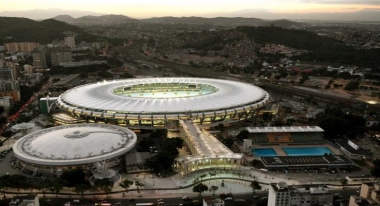
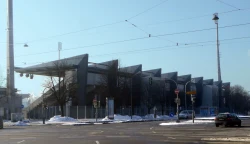
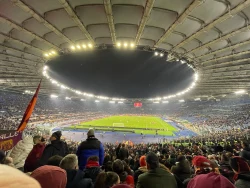
In Córdoba’s north-western outskirts, Estadio Mario Alberto Kempes is both a working football venue and the centrepiece of a wider sports landscape. The stadium stands in the Chateau Carreras area, about 10 kilometres from the city centre, beside Parque del Kempes and other facilities. It is not a conventional daily attraction: the pitch, stands and interior are generally tied to matches, concerts or arranged visits. For travellers, that distinction makes planning essential. A museum visit or a walk in the surrounding park can be possible when there is no event, but neither should be confused with automatic access to the stadium bowl.
Built for the 1978 World Cup
The stadium opened on 16 May 1978, shortly before Argentina hosted the FIFA World Cup. It was first known as Estadio Córdoba and was also widely associated with the Chateau Carreras district where it was built. The name Mario Alberto Kempes was adopted in 2010 in honour of the Córdoba-born forward who became the tournament’s leading scorer when Argentina won its first men’s World Cup in 1978. The venue itself hosted World Cup matches and later became one of the country’s best-known provincial stadiums.
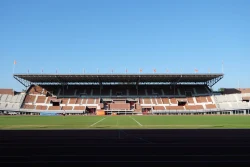
Its history has continued well beyond that tournament. The ground was substantially renovated ahead of the 2011 Copa América, with changes to the stands, lighting, press facilities and circulation. It has since hosted domestic football finals and international competitions, as well as concerts and other large events. In May 2026, the Argentine Football Association selected it for the final of the Apertura tournament, a recent reminder that the Kempes remains an active venue rather than a preserved World Cup monument. Event dates, however, do not establish public visiting hours: gates and access are set by each organizer.
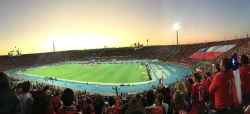
The stadium’s scale is easiest to appreciate from the surrounding sports precinct. Its address is listed on Avenida Cárcano in Chateau Carreras, roughly 10 kilometres from central Córdoba. Because the complex is used for high-attendance events, approaches, parking and pedestrian access may change on match or concert days. Follow the directions on the event ticket and check local transport information close to departure; old match-day instructions can quickly become obsolete.
A museum that tells Córdoba’s sporting story
The Museo Provincial del Deporte is located within the Kempes sports complex and offers a reason to come even when there is no major fixture. Córdoba Tourism describes a collection of roughly 200 original objects, with displays devoted to the 1978 World Cup, local Olympians and the province’s sporting history. The objects connect international events with athletes and clubs familiar to Córdoba residents, giving the visit a distinctly local perspective instead of treating the stadium only as a football landmark.
Among the objects identified by the official museum listing are boxing belts associated with world champion Santos “Falucho” Laciar, Olympic medals won by hockey player Soledad García and swimmer Georgina Bardach, and memorabilia linked to José Meolans, David Nalbandian and other Córdoba athletes. Football supporters can also find trophies associated with Talleres and Belgrano, including items tied to early local competitions. The museum’s rooms include audiovisual material, a World Cup section and a public sports library. A separate 2024 tourism report says the display rotates and describes guided access to areas that are not normally open, including the changing rooms and playing field; confirm whether that route is operating before making a special trip.
Visiting the museum and stadium
The official Córdoba Tourism museum listing gives the address as Avenida Cárcano, without a street number, in Chateau Carreras. It currently lists opening hours from Tuesday to Friday, 10:00–13:30 and 14:00–18:00, and on Saturdays, Sundays and public holidays, 10:00–18:00. These are the museum’s listed hours, not a promise that the stadium stands or pitch are open. Match schedules, maintenance and changes to the visitor programme can affect access, so check the listing or contact the museum before travelling. The page provides +54 9 351 434-8367 and 434-8279, as well as institucional.deportes@gmail.com.
Group visits and school programmes may require advance coordination, and guided access beyond the museum is not guaranteed every day. The tourism agency’s 2024 account describes guided tours through the museum, competition areas, dressing rooms, a VIP box and the stadium interior, but that is a dated description, not a current booking confirmation. Ask what is included, whether a reservation is needed, and whether the field can be entered on your chosen date. Do not rely on older web pages for ticket prices: prices and eligibility rules can change, and the current official listing should be checked directly.
Pair the visit with Parque del Kempes
The neighbouring Parque del Kempes makes a stadium-area outing worthwhile even if a tour is unavailable. Córdoba Tourism describes more than 80 hectares of green space along the Suquía River, with native and introduced trees, exercise stations, play areas and facilities for action sports. A cycle route of more than 2.5 kilometres crosses the park. The tourism page lists daily hours of 8:00–21:00, while another official notice for the adjacent Parque del Chateau published the same schedule in January 2025. As park hours and temporary closures can change, check current notices before setting out.
Visitors can treat the park and stadium as two distinct stops: the park is an outdoor recreation area, while stadium access depends on a match, event or organized visit. Comfortable shoes are useful for walking or cycling; bring water and observe posted signs, especially around sports areas and river paths. If combining the museum with the park, check both schedules and allow time for the distance between entrances. The reward is a fuller view of Córdoba’s sports culture: not just the famous name on the stadium, but a museum of local achievement and a large public landscape that residents use for recreation.