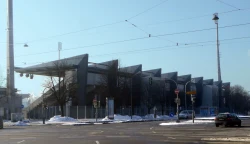
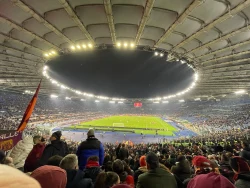
Etihad Stadium in Manchester: history, tours and the expanded North Stand
A stadium built for one event and given a second life
The Etihad Stadium is the current name of Manchester’s City of Manchester Stadium, the home ground of Manchester City in east Manchester. It was created for the 2002 Commonwealth Games, where it hosted athletics and the opening and closing ceremonies, then transformed into a football ground. That change is central to the site’s story: the venue was not simply built for a club, but planned as a major public sports investment with a lasting role after the Games.
Manchester City’s history of the project says the stadium held about 38,000 spectators in its Games configuration. After the closing ceremony, a season-long conversion reshaped it for football, and the club moved from Maine Road in the summer of 2003. The City Council’s Eastlands framework places the project within the wider regeneration of east Manchester, alongside other sports facilities. For visitors, the surrounding campus is part of the experience: the stadium sits within a much larger district of sport, transport and entertainment rather than as an isolated arena.
From City of Manchester Stadium to Etihad
The name on the building has changed with its role and commercial partnerships. It opened as the City of Manchester Stadium for the 2002 Games; Manchester City later adopted the Etihad Stadium name through a sponsorship arrangement. In international football competitions, organizers may use a different non-commercial name, so visitors should follow the wording on their ticket and travel notice. The distinction also explains why older maps, records and local references may still call it the City of Manchester Stadium or Eastlands.
The stadium’s design and later adaptation made the legacy possible. Arup, the engineering firm involved in the project, describes it as a purpose-built Games venue with a planned future after the event. Conversion from athletics to football involved changing the bowl rather than discarding the site. Manchester City’s account recalls that it became a 48,000-seat football ground before subsequent expansions. This sequence helps explain why the stadium continues to evolve: it has been repeatedly adjusted to serve supporters, major events and the changing scale of the club.
The North Stand expansion changes the skyline
The latest major chapter is the North Stand redevelopment. Manchester City says the project adds more than 7,000 general-admission seats and takes the stadium’s capacity above 61,000. The expanded stand is named the Pep Guardiola Stand, a title announced by the club in 2026. It forms part of a broader Etihad Campus development, with new matchday spaces and entertainment facilities designed to make the district active beyond the ninety minutes of a match.
Not every part of that wider development opens at the same time. Club updates have described the stand’s phased public use and separate later openings for surrounding hospitality and public areas. The practical implication is simple: do not assume a new fan zone, hotel, shop or other facility is available just because the stand is in use. Check the club’s current announcements for what is open on your chosen date. Seating configuration, ticket allocation and access routes can also change as construction and match operations progress.
What a stadium tour lets you see
Manchester City sells official stadium tours on selected dates, separate from match tickets. The club’s information hub describes a tour of about 75 minutes, with the meeting point at M-Gate by the South Stand. The experience can include behind-the-scenes areas such as the first-team dressing room, players’ tunnel, dugouts and press room, although access can vary with stadium operations. Visitors should arrive before their booked time; the club advises additional lead time for some special experiences and requires children under 14 to attend with an adult.
Matchday tours are a different product. Manchester City says those are available only before selected home fixtures and begin no more than four hours before kick-off; routes may change because of match operations. A pitch-side walk is also offered for eligible ticket holders at certain games. These are time-sensitive experiences, not a daily walk-in attraction. Reserve through the official club site and read the conditions for the exact tour, since a match schedule, event setup or safety requirement can affect what areas are accessible.
Getting there and planning around a match
The club identifies the Etihad Campus Metrolink stop as the tram stop for the stadium. It also lists limited free parking on non-match days, while matchday parking requires pre-booking and may be charged. Public transport is often the more straightforward choice when the district is busy, but visitors should check current service notices and the club’s route advice. The stadium’s address and entrance may not be enough on a major event day: tickets specify the turnstile or gate, and road closures or crowd routes can change the approach.
For a match, use the club’s latest visitor guide for entry times, ticketing rules, bag limits, accessibility arrangements and any transport changes. A tour ticket does not include admission to a football match, and a match ticket does not automatically provide access to every behind-the-scenes tour. If visiting on a non-match day, check tour availability before travelling; phone lines and retail hours are not the same as booked tour departure times. These checks are especially useful while the campus expansion is being completed in phases.
Why the Etihad Campus matters beyond football
The stadium’s importance extends beyond Manchester City’s fixtures. Its first public role was as the centrepiece of the 2002 Commonwealth Games, and the surrounding Eastlands facilities were part of a deliberate effort to reshape a former industrial area. Manchester City’s account notes that the Games brought athletes from 72 nations and that the stadium staged ceremonies as well as athletics. The stadium’s conversion made that investment useful after the event instead of leaving a one-off venue behind.
Today the Etihad Campus brings together the stadium, training facilities and the nearby Co-op Live arena, with additional visitor and hospitality projects in development. That makes a trip potentially broader than a match, but the facilities have different operators and schedules. The stadium remains the anchor: its architecture tells a story of a civic event, a planned legacy and a football club that moved into a new home. Check official updates before setting out, and treat every tour, match and campus attraction as a separately scheduled experience.