About Cienfuegos
A port city with a carefully planned centre
Cienfuegos stands on Cuba’s south-central Caribbean coast and is known as La Perla del Sur, the Pearl of the South. Its historic centre is not a single monument behind a gate but a living part of the city: streets, plazas, public buildings and homes still shape everyday urban life. UNESCO inscribed the Urban Historic Centre on the World Heritage List in 2005, recognizing it as an outstanding example of nineteenth-century Latin American planning. The designation covers a 70-hectare core with a 105-hectare buffer zone extending south along the port, so the protected landscape is broader than one square or building.
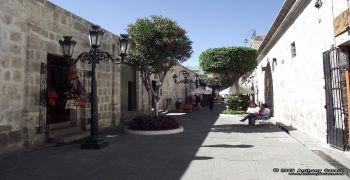
The centre’s defining geometry is unusually clear. UNESCO describes an original layout of 25 blocks arranged in a regular grid, inspired by Spanish Enlightenment ideas about order, public space, light and ventilation. Parque José Martí, formerly the Plaza de Armas, became the focus for civic, religious and government functions. That plan is still readable as visitors walk between the square and broad streets, even as the city has grown beyond its first blocks. Cienfuegos rewards a slow walk: the relationship between the public spaces and the surrounding façades is part of the attraction, not just a route between famous interiors.
From Fernandina de Jagua to a World Heritage city
The colonial settlement was founded in 1819 in Spanish territory and was initially settled by immigrants of French origin. UNESCO links the town’s growth to commerce in sugar cane, tobacco and coffee, and to the agricultural region around it. The official Cuban tourism portal says the early settlement was called Fernandina de Jagua and that the town adopted the name Cienfuegos in 1829, in honour of José Cienfuegos Jovellanos, then captain general of Cuba. These details place the city in both Spanish colonial history and a local story shaped by French migration, trade and a planned civic centre.
The city prospered as the nineteenth-century sugar economy expanded. UNESCO notes that by the 1860s Cienfuegos had become Cuba’s third most important city by economic wealth. That background helps explain the civic ambition visible in the historic centre: the grid, public buildings and architectural ensemble were not decorative additions detached from the port economy. They reflect a commercial town seeking modern urban order and public facilities. At the same time, UNESCO describes the historic core as a vital part of the present-day city, with port activity and warehouses still contributing to its character. Heritage here coexists with working urban life rather than replacing it.
Architecture, the main square and the theatre
UNESCO identifies the Government Palace, San Lorenzo School, the Bishopric, Ferrer Palace, the former lyceum and residential buildings among the centre’s notable landmarks. The earliest urban fabric leaned toward neoclassical design; early twentieth-century buildings introduced more eclectic forms while retaining proportions and materials that preserve an overall harmony. Look beyond individual façades to the rhythm of blocks, squares and streets. The broad avenues and regular intersections make the centre legible, while iron grilles, balconies and restrained building heights add detail at walking pace. The UNESCO boundary is not a curated pedestrian circuit, so visitors should use a current map and respect ordinary traffic and local activity.
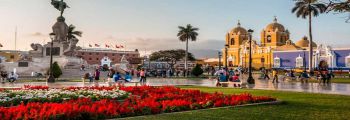
Parque José Martí is a natural starting point because the square concentrates several civic and cultural landmarks. The Tomás Terry Theatre faces the park and was inaugurated in 1890; Cuba’s official tourism portal describes its Italian-influenced architecture, painted ceiling and auditorium as major features. The same portal currently lists visits every day from 10 a.m. to 6 p.m., while performances follow the theatre’s program. Because the page does not display a clear update date and schedules can change, confirm opening and performance details directly before making a special trip. Do not assume a sightseeing visit and a ticketed performance are the same experience.
From the historic core, Punta Gorda offers a different relationship with the city and the water. Cuba’s tourism portal identifies it as a protected zone and lists the Palacio de Valle among Cienfuegos attractions. Treat this as a separate part of the visit rather than an extension of the central square: check transport and the opening status of any interior you hope to enter. UNESCO’s heritage designation covers the historic urban centre, while the official tourism portal supplies destination information for other areas. The distinction helps travellers avoid treating every landmark across the city as if it shared one ticket, entrance or set of hours.
How to plan a visit today
For a first visit, allow time to walk the central grid, pause at Parque José Martí and see how the civic buildings relate to the surrounding streets. If the theatre is open, its interior adds a perspective that an exterior photograph cannot provide; if it is closed or preparing for a performance, the surrounding square remains a meaningful place to understand the city plan. The official tourism listing gives the theatre’s daily 10 a.m.–6 p.m. visiting window, but it does not establish a unified opening schedule for all museums, churches or historic buildings. Check each institution separately and expect performance programming to vary.
Cienfuegos is a coastal city in a tropical region, and UNESCO notes exposure to natural hazards including hurricanes. Weather and local operating conditions can affect transport, waterfront plans and cultural venues. Before travelling, check current municipal or tourism notices, confirm the theatre’s schedule and arrange transport to Punta Gorda if it is part of your itinerary. The tourism portal offers destination information and a local contact address, but the details of a particular day’s program should be verified with the venue. Avoid relying on old prices or copied schedules, especially when a listing does not show when it was last revised.
Cienfuegos is most rewarding when visitors connect its street plan to the story behind it. The French-origin settlement, Spanish colonial framework, sugar-era prosperity and enduring port activity all help explain why a carefully ordered grid grew into a distinctive urban ensemble. UNESCO recognition gives the historic centre international context, while places such as Parque José Martí and the Tomás Terry Theatre make that history tangible at street level. A thoughtful visit does not require rushing through a checklist: walk the centre, confirm access to interiors, and leave time to see how the city continues to function around its heritage.