Casablanca travel guide: Atlantic history, old quarters and landmark architecture
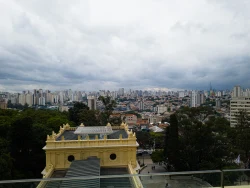
Casablanca is often treated as a gateway to Morocco, but the country’s largest city rewards travellers who give it time. Facing the Atlantic, it combines working port districts and commercial boulevards with an old walled quarter, twentieth-century architecture and a monumental mosque by the sea. Its modern identity is not a simple contrast between “traditional” and “European”: trade, migration, colonial planning and Moroccan urban life have all shaped the city. A good visit moves between these layers instead of expecting one compact historic centre to explain Casablanca on its own.
From Anfa to the modern metropolis
The city’s history is associated with Anfa, an older settlement on this coast, though accounts differ on how its name and early boundaries developed. Visit Casablanca’s heritage guide describes the Old Medina as the historic heart and says its origins are difficult to date precisely. It records that an earthquake in November 1755 damaged Casablanca and that Sultan Sidi Mohammed Ben Abdallah ordered its rebuilding around 1770, calling it Dar el-Beïda, “the white house.” Local explanations of the name include a story connected with a shrine; it should be treated as a legend rather than a settled historical fact.
Casablanca expanded rapidly as a port and commercial centre, particularly during the French Protectorate established in 1912. New streets and civic buildings rose beside older neighbourhoods, and architects working in the early twentieth century created an urban landscape where Art Deco details stand near Moroccan arches, tilework and courtyards. That mix is not merely decorative. It records the unequal, complicated history of colonial rule and the city’s growth as a magnet for work and migration. The city became internationally prominent during the Second World War when Allied leaders met at the 1943 Casablanca Conference.
Begin in the Old Medina
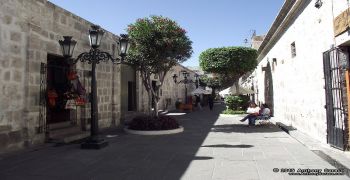
The Old Medina sits close to the port and is generally entered through Bab Marrakech. Its compact lanes, small markets, shrines and remains of fortifications offer a different scale from the modern avenues outside. Visit Casablanca describes a layered quarter shaped by Muslim, Jewish, Amazigh and European communities and notes that its historic fabric faces conservation challenges. The guide also identifies the Sqala fortification area and the small shops around the walls as points of interest. This is a living neighbourhood, not a museum set: walk respectfully, ask before photographing people, and give local residents room to go about their day.
From the old quarter, visitors can continue toward Place Mohammed V and the central districts. The city tourism site describes the square as an administrative centre bordered by buildings from the 1920s, many combining Hispano-Moorish and Art Deco influences. Look for geometric façades, arcades, clock towers and shaded colonnades rather than expecting a single uniform style. Habous, often called the New Medina, offers another architectural perspective through arcaded streets, bookshops, craft stores and food businesses. It is a useful place to browse Moroccan crafts and traditional pastries, but opening hours belong to individual shops and are not one fixed district schedule.
Hassan II Mosque and the Atlantic edge
The most conspicuous landmark is the Hassan II Mosque, built beside the Atlantic and opened in 1993. Its broad prayer hall, minaret, carved plaster, woodwork, marble and zellij mosaics bring together contemporary engineering and Moroccan craft traditions. The Hassan II Mosque Foundation runs guided visits that explain the prayer hall and other areas; the interior is not an unrestricted walk-in attraction. The foundation currently lists visitor sessions from Saturday to Thursday at 8, 9, 10 and 11 a.m. and 2 p.m.; Friday sessions are listed at 8, 9 and 10 a.m. and 2 p.m. Prayer schedules, religious periods or official events may change access, so confirm before setting out.
At the time of review, the Foundation’s English page listed a price of 140 dirhams for adult foreign visitors, 70 dirhams for Moroccan residents and foreign students, 30 dirhams for children over six and Moroccan students, and free entry for children under six. It also states that visitors should cover their shoulders, chest and knees, remove their shoes inside and remain with their group. Prices and conditions can change. Outside the mosque, the seafront offers a broader sense of Casablanca’s Atlantic geography; the Ain Diab Corniche is a long-established leisure district, but individual cafés, beach clubs and facilities set their own hours and rules.
Planning a thoughtful city visit
Casablanca is spread out, so plan by neighbourhood rather than trying to walk between every headline sight. Rail links connect Mohammed V International Airport with the city, while trams and taxis help with urban journeys; check current service and station information on the day. For the mosque, reserve or verify the official tour and arrive with time to spare. In the Medina and Habous, comfortable shoes help on uneven streets, and modest, respectful dress is appropriate around religious sites. Keep valuables secure in crowded markets and use clearly identified transport options.
Casablanca is most rewarding when treated as a city to observe as well as a list of monuments. A morning in the Old Medina, a pause to study the downtown façades, a visit to the mosque and an evening along the ocean reveal different parts of its character. Do not rely on outdated population figures, port rankings or blanket opening times copied from old summaries: the city is changing, and practical details vary by venue. Check official updates for tours, transport and special closures.