Celtic Park in Glasgow: stadium tours, history and how to visit
A football ground rooted in Glasgow
Celtic Park is more than the home ground of Celtic Football Club. In Glasgow’s east end, it is a vast football arena shaped by migration, community life and more than a century of match days. The club was founded in 1887, and its current ground has occupied this site since 1892, after moving from an earlier park nearby. Supporters often call it “Paradise,” a nickname that reflects the emotional pull of the place rather than an official description. For visitors, the stadium offers two distinct experiences: the roar and ritual of a match, or a scheduled behind-the-scenes tour.
The present stadium is an all-seater arena with a capacity of about 60,000, according to the club. Its familiar bowl is largely the result of a major redevelopment begun in the 1990s and completed in 1998. The ground has also hosted major events beyond football, including the opening ceremony of the Glasgow 2014 Commonwealth Games. Those layers make Celtic Park an urban landmark as well as a sporting venue, even on a day when no match is being played.
From a charitable mission to a modern arena
Celtic’s story began in 1887, when the club was formed in Glasgow by Brother Walfrid, a Marist brother, as part of an effort to raise funds for people experiencing poverty in the city’s Irish immigrant community. The team played its first match in 1888 at the original Celtic Park. In 1892 it moved across the road to the present site. The club’s own historical account traces the stadium’s evolution from an early ground to a modern arena, while the founding context helps explain why identity and community remain central to its public story.
Much of the stadium visitors see today followed a rebuilding program in the mid-to-late 1990s. Celtic’s official history says redevelopment began in 1994, with home matches played at Hampden Park during the 1994–95 season; supporters returned to a rebuilt Celtic Park for the following season while work continued. The Jock Stein Stand opened in 1998, completing the new-look ground. The club describes the result as a 60,000-capacity all-seater stadium. It is useful to distinguish that modern seating figure from historic crowd claims made about earlier, terraced versions of the ground.
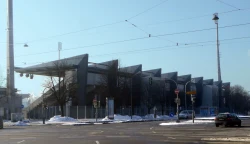
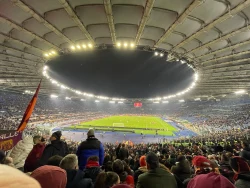
The club’s match culture is part of the architecture. Four large stands enclose the pitch, concentrating sound and color in a way that is difficult to reproduce from a photograph. The Celtic Way approach and the stadium exterior are especially striking around a fixture, when supporters gather before entry. On non-match days the atmosphere is quieter, and a tour provides access to selected working areas that are normally closed to the public. Which spaces are open can vary, because this is an operating stadium rather than a museum preserved behind ropes.
What the stadium tour includes
Celtic FC advertises a one-hour guided stadium tour that takes visitors behind the scenes. The listed route includes the boardroom, players’ tunnel, dressing room and dugout, alongside an account of the club’s history. The club currently lists weekday departures at 11 a.m. and 1:30 p.m. Monday to Thursday; Friday adds 3:30 and 4:30 p.m. departures. On Saturdays and Sundays, tours are listed every 30 minutes from 10 a.m. to 3:30 p.m. These are published schedules, not a promise that every time will run on every date: fixtures, events and stadium operations can alter or cancel a route.
The current official price list gives adult admission as £19.50, children under 12 as £12.50, concessions for over-65s or students with valid identification as £17, a family ticket for two adults and two children under 12 as £60, and free entry for children under five. Celtic warns that prices can change according to the selected booking date. Advance payment is required, and the club states that tour bookings are non-refundable and non-transferable. Arrive at least ten minutes early at the Sports Bar meeting point, accessed through the Kerrydale Suite entrance on the west stand.
Accessibility information deserves attention before booking. The club says most of the tour is accessible, but some areas may require an alternative route. The Directors’ Box is reached by stairs; wheelchair users can remain at the dugout for that portion, accompanied by a guide. Complimentary places for carers are available, and assistance dogs are permitted. The club asks visitors with mobility or other specific requirements to contact the tour team in advance. Free parking is listed for tour guests, but match-day arrangements and access differ, so do not apply tour instructions to a fixture without checking the club’s separate guidance.
Planning a match-day or a Glasgow stop
Celtic Park stands on Kerrydale Street, Glasgow, G40 3RE. The club publishes public-transport directions and recommends checking routes before travel; nearby rail, bus and subway options vary by starting point and match schedule. On major match days, crowds, road restrictions and demand for public transport are part of the visit. Allow time to reach the correct entrance and follow stewards’ instructions. A stadium tour ticket does not admit you to a match, and a match ticket does not automatically include a tour.
If you are visiting on a non-match day, book a tour for a confirmed departure rather than arriving in hope of walking inside. The stadium is a working venue: tour routes can change at short notice, and certain sections may be unavailable without prior warning. Food and drink areas inside the stadium are cashless, according to the club’s tour information. Check the booking page for the date-specific price, meeting point, parking instructions and any accessibility arrangements; also review the fixture calendar if you are combining the visit with other plans in Glasgow.
Celtic Park makes the most sense when approached as both a football ground and a civic landmark. The tour supplies the details of the pitch-side routine—tunnel, dressing room, dugout—while the history explains how a club formed around a community purpose grew into one of Scotland’s best-known teams. Match day delivers a different, louder encounter, but it requires advance planning and a valid fixture ticket. Whichever way you visit, the stadium’s scale and the city’s relationship with it are the lasting story, not just the view from the stands.