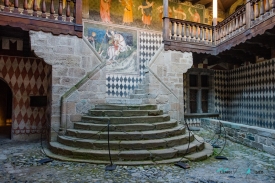
On the heights above Le Locle, in Switzerland’s Neuchâtel Jura, the Watch Museum occupies Château des Monts, a historic residence surrounded by grounds. The pairing is more than scenic. The house was built for Samuel DuBois, a watch-case maker who also inspected precious metals in the Neuchâtel Mountains. The museum’s own history presents the building and its collection as two strands of the same local story: watchmaking shaped not only factory work, but also the homes, ambitions and civic life of the town.
DuBois had the house built between 1780 and 1790 on his wife’s estate, probably as a summer residence. A notarial deed cited by the museum describes meadows, fields, pasture, a garden, a cistern, cellar, watering place, three houses and a laundry building. That document gives a more grounded picture than the word “château” might suggest: this was a working rural property as well as a comfortable home. Its later nickname, Château des Monts, was reportedly coined by local residents and endured long after the estate changed hands.