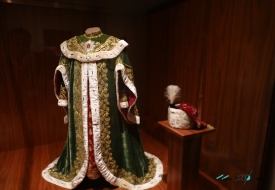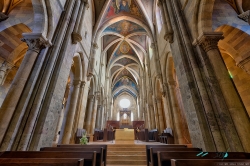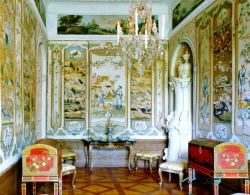
Schönbrunn Palace was the main summer residence of the Habsburg emperors, located in Hietzing, Vienna. The name Schönbrunn meaning "beautiful spring" has its roots in an artesian well from which water was consumed by the court. The 1,441-room Rococo palace is one of the most important architectural, cultural, and historic monuments in the country. The history of the palace and its vast gardens spans over 300 years, reflecting the changing tastes, interests, and aspirations of successive Habsburg monarchs. It has been a major tourist attraction since the mid 50's.
In 1569, Holy Roman Emperor Maximilian II purchased a large floodplain of the Wien river beneath a hill, situated between Meidling and Hietzing. The former owner, in 1548, had erected a mansion called Katterburg. The emperor ordered the area to be fenced and put game there such as pheasants, ducks, deer and boar, in order for it to serve as the court's recreational hunting ground. In a small separate part of the area, “exotic” birds such as turkeys and peafowl were kept. Fishponds were also built.