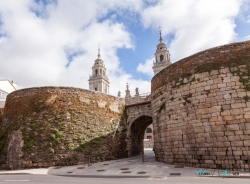
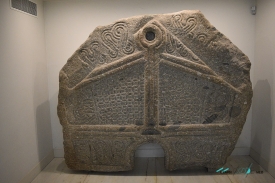
Santiago de Compostela’s cathedral is not an isolated monument at the end of a walk. It anchors a historic city whose streets, churches and public spaces grew around the shrine of Saint James. UNESCO describes Santiago as one of Christianity’s great holy cities and records how artistic currents from the Middle Ages onward became part of its urban fabric. For travelers, the cathedral is both a place of worship and the key to understanding why the city became a European destination.
The pilgrimage tradition is tied to a tomb believed to be that of the Apostle James, discovered in the ninth century according to UNESCO’s account of the Camino. Routes from across the continent brought travelers, ideas and commerce into Galicia. Over time, the Camino became more than a religious itinerary: it connected communities and carried architectural and artistic influences. Santiago’s old town is the built record of that movement, with the cathedral at its center.