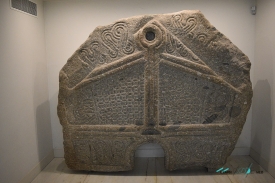
The rock-art sites of the Côa Valley form a rare concentration of prehistoric engravings carved into the schist along the banks of the Côa river, in the district of Guarda in north-eastern Portugal. The great majority date from the Upper Palaeolithic, made more than 20,000 years ago, and the valley holds more than 1,200 decorated rocks spread over some 20,000 hectares — the largest open-air complex of Palaeolithic art known anywhere.
The engravings came to light in 1994, during survey work for a planned dam on the Côa. When their existence and importance became public, a national campaign to save them followed; the dam was abandoned, and the valley was protected instead. UNESCO inscribed the site on the World Heritage List in 1998.