About Pigeon Point, Tobago
A Tobago landmark with more than a beach
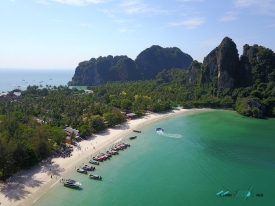
Pigeon Point Heritage Park occupies 125 acres on the southwestern coast of Tobago, Trinidad and Tobago. Its white sand, blue-green water and thatched-roof jetty have become among the island’s most recognisable images. The jetty is a popular place to pause for photographs, but the park is more than a scenic frame: it combines a managed beach facility with a nature reserve set beside a wider network of reefs, lagoon and mangroves.
The official Tobago tourism guide describes Pigeon Point as a full-day beach destination, with water sports, places to eat, bars and shops. The park itself lists changing and washrooms, chair and umbrella rentals, and beach huts available for hire. Facilities make a day visit practical, while the reserve designation points to a second reason to come: the shoreline sits within a delicate coastal ecosystem that needs careful use.
Understanding the coast and the reef landscape
Pigeon Point is part of an interconnected coastal complex that includes Buccoo Reef National Park and Bon Accord Lagoon. The park’s conservation information describes coral communities, mangrove forests, hawksbill turtles and more than 100 fish species among the wildlife associated with this habitat. Rather than viewing the beach as separate from the sea around it, visitors can understand the calm shallows, lagoon and reef as parts of a connected environment.
The conservation page notes that the Buccoo Reef area from Pigeon Point to Buccoo Bay was designated a marine protected area in 1973 under Trinidad and Tobago’s Marine Areas legislation. In 2006, the Buccoo Reef and Bon Accord wetlands were recognized as a Ramsar site of international importance. These designations help explain why responsible boating, swimming and snorkeling matter. The park encourages visitors to respect local rules and avoid damaging wildlife or habitat; do not touch coral or disturb turtles and other animals.
Beach zones, swimming and lifeguard information
The park distinguishes its Main, North and South beach areas, and that distinction matters for safety. Its current visitor information says lifeguards are on duty daily from 10:00 to 18:00 at Main Beach. The marked bathing zone is on Main Beach, and the park says swimming should not take place outside that demarcated area. It states that there are no on-duty lifeguards at the North and South beaches. Check signs at the entrance and on the sand, and follow staff instructions if conditions change.
Public opening hours are listed as 09:00 to 17:00. The park’s posted daily admission is TT$20 for adults and TT$10 for children; weekly admission is listed as TT$100 and TT$50 respectively. Trinidad and Tobago citizens over 65 with a valid national ID are admitted free. The same page lists sling chairs and umbrellas at TT$30 each and says beach huts can be rented by the day or part of a day. These are operational prices and can change, so confirm them directly with the park before travelling.
Getting there and making a comfortable day of it
Pigeon Point lies on Tobago’s southwest coast. The park says it is about five minutes from A.N.R. Robinson International Airport and around twenty minutes from Scarborough, the island’s capital; actual travel time depends on traffic. Its directions page explains that Pigeon Point Road branches from Milford Road, the main route to and from the airport. The park provides the telephone number (868) 639-0601 and the email contact@pigeonpoint.tt for enquiries. Confirm transport options ahead of time, particularly if you need an accessible transfer or plan to arrive near closing.
Pack sun protection, drinking water and a change of clothes, and check what the park currently permits. The official information lists accessible washrooms on North Beach, but it does not establish that every stretch of sand, jetty or route is step-free. Visitors with mobility needs should contact the park to discuss the current layout and available support. If you rent equipment or book a water activity, ask where it operates and whether the fee is separate from the park entrance charge.
Activities, culture and the park’s wider role
Swimming and snorkeling are among the main reasons visitors come, while Tobago’s tourism authority also mentions jet skiing and kite surfing among available water sports. The thatched jetty gives the site a distinct visual identity and serves as a memorable meeting point, while the park’s food and retail businesses add options for a longer visit. Availability, operators and prices vary, so treat the tourism list as an introduction and confirm details at the entrance or with the provider.
Pigeon Point also functions as an event venue. Tobago’s tourism guide names festivals such as the Tobago Jazz Festival and the Tobago Dragon Boat Festival among events that have used the beach. That does not mean an event is scheduled every year or on a particular visit date; check the Tobago House of Assembly or event organizer’s current calendar before planning around one. The heritage park’s mix of public recreation, local enterprise and environmental stewardship is part of its contemporary story.
Enjoying Pigeon Point while protecting what sustains it
The classic photograph of the jetty can make Pigeon Point seem like an isolated tropical postcard. Its deeper appeal is the relationship between that familiar image and the living coast around it: coral, mangroves, fish, turtles, lagoon and people who use the shoreline. The nature reserve is a managed space, and the posted rules—especially the marked swimming zone and lifeguard limits—are important practical information, not fine print.
Before setting out, recheck opening hours, charges and water conditions with the park. Swim only in the marked Main Beach area, follow lifeguard directions, leave wildlife undisturbed and dispose of rubbish responsibly. A visit planned around both the beach facilities and the surrounding ecosystem is more rewarding than a quick photo stop. Pigeon Point offers a memorable Tobago day, and treating its fragile coastal setting with care helps keep that experience possible.