Benagil Cave, Portugal: how to visit the Algarve sea grotto safely
The cave and the beach are different places
Benagil Cave, known locally as Algar de Benagil, is a sea grotto on the coast of Lagoa in Portugal’s Algarve. It should not be confused with Praia de Benagil, the small beach at the fishing village below the cliffs. The beach is a land-based place to arrive at the coast; the cave is a separate cavity reached from the water, subject to maritime rules and sea conditions. That distinction matters before choosing a tour or planning a swim.
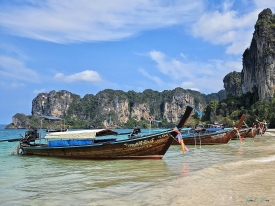
Tourism of Portugal describes Benagil as a fishing village whose boats cluster around a small stretch of sand, on a coastline where cut cliffs form caves and sinkholes. The Algar is one of the coast’s best-known natural features, but the official description does not reduce the area to a single photo stop: it is part of a larger limestone shoreline shaped by the sea. The familiar opening in the cave roof gives it a distinctive light, while the water entrance makes access dependent on conditions offshore.
The coast’s popularity has brought a practical challenge: many visitors, kayaks and motorboats converge in a confined marine area. Portugal’s National Maritime Authority says the rules were developed with environmental and public-safety agencies to organize navigation and reduce risks to visitors, operators and the coastal environment. The cave sits within a protected marine landscape identified by the authority as the Algarve Reef–Pedra do Valado Marine Natural Park. Safety and conservation are therefore central to the visit, not fine print.
What maritime rules mean for visitors
The authority’s Benagil navigation notice, first issued in 2024 and amended in 2025, prohibits visitors from swimming to the caves or using flotation aids to enter. It also bars individuals and businesses from landing on or using the sand inside the cave. Kayaks may not be rented for independent access in the regulated area; guided operations must follow the applicable navigation instructions. The exact limits and operating arrangements can change, so read the current notice before booking.
These restrictions explain why a photograph of people standing on the cave’s inner sand should not be treated as evidence that disembarking is allowed. A tour that passes the cave is not necessarily authorized to let passengers ashore. Visitors should ask the operator what the trip includes, whether the route is running under the current rules and what happens if sea conditions change. Do not attempt to reach the grotto by swimming, paddleboard or an unaccompanied rental kayak.
Access is also conditional on weather and water. The maritime authority has published restrictions when conditions deteriorate, and its notices address navigation along a broader stretch of coast, not only the cave entrance. Waves, wind, boat traffic and cliff hazards can make a planned visit unsafe or lead to cancellation. Follow crew instructions, wear the safety equipment provided and accept that a responsible operator may turn back. There is no reliable land route down into the cave from the cliff-top viewpoints.
See the coast from land as well as from the sea
Praia de Benagil offers a different perspective from the cave. Portugal’s national tourism site places the beach in Lagoa and describes boat trips from the area as a way to observe the carved cliffs, caves and beaches that cannot be reached overland. The village’s fishing identity remains part of its setting, although today’s visitors share the shoreline with local activity and excursion traffic. Treat the beach, the village and the cave as connected but distinct stops.
For a land-based view, the Seven Hanging Valleys Trail follows the cliff tops between Praia da Marinha and Praia de Vale de Centeanes. The Porches parish authority describes the route as a marked linear walk of about 11.2 kilometres round trip, with viewpoints over the coast. It is not a path into Benagil Cave, and the cliffs are not safe shortcuts to the water. Stay on marked ground, keep well back from unstable edges and sinkholes, and do not cross barriers for a photograph.
Trail conditions deserve the same attention as boat conditions. The parish guidance recommends choosing the season and weather carefully; heat, rain and strong wind can make an exposed coastal walk more demanding. Wear suitable footwear, carry water and allow time for the full return journey rather than planning only the outward distance. If the weather is poor, a shorter visit to the beach or village may be a better choice than continuing along the cliffs.
Plan a visit without relying on old schedules
There is no fixed public visiting timetable or standard cave ticket published by the maritime authority. Boat departures, prices, route length and availability are set by individual operators and depend on conditions at sea. Ask for the total price, departure point, duration, safety equipment and cancellation policy before paying. If an offer promises direct access to the inner beach, swimming into the grotto or an unguided kayak rental, compare it with the current official rules before making a booking.
Benagil lies in the municipality of Lagoa, on the Algarve coast. Plan transport to the village and beach separately from any water excursion, and allow extra time during busy periods. Parking and road access can vary with the season and visitor demand; current local signs and municipal information are more reliable than an old travel listing. The beach is not a guarantee that a boat trip will operate, and reaching the shore does not authorize access to the sea cave.
Before departure, check the Portimão Harbour Master’s page for the latest Benagil notices and the operator’s same-day update. The authority’s 2024 rules were amended in 2025, and newer maritime notices may affect nearby activities; avoid assuming that an old article, video or tour description still reflects current conditions. Benagil is memorable for the meeting of cliff, sea and light, but the responsible way to experience it is to respect the rules, the weather and the limits of a fragile coast.